
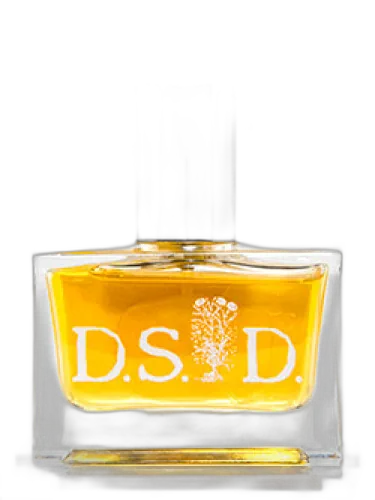

Staghorn Sumac Ds&durga
Fragrance Story
Staghorn Sumac by DS&Durga is a Floral Green fragrance for women and men. Staghorn Sumac was launched in 2011. Staghorn Sumac was created by David Seth Moltz, Kavi Moltz and Rayda Vega. Top note is Grass; middle note is Lily; base notes are Sumac and Musk.
Composition Profile
About the Perfumer

David Seth Moltz
David Seth Moltz is the co-founder and perfumer of D.S. & Durga, a brand known for its conceptual and evocative scents. His catalog includes King Majesty Bergamot Chypre, Wipeout!, and historical-inspired pieces like 1538 Rheims and Amber Kiso. Moltz’s work often blends natural and synthetic materials to create immersive olfactory narratives.
Fragrance Notes
Top Notes
First impression · 15-30 min
 Grass
Grass
Heart Notes
Core character · 2-4 hours
 Lily
Lily
Base Notes
Lasting impression · 4+ hours
 Sumac
Sumac
 Musk
Musk
Staghorn Sumac Ds&durga by DS&Durga offers a distinctive olfactory experience that stands out from other fragrances in its category.
Crafted with the finest ingredients and a blend of traditional and modern perfumery techniques, this fragrance represents the pinnacle of the perfumer's art.
Staghorn Sumac Ds&durga embodies the distinctive style of DS&Durga while adding a unique chapter to their fragrance portfolio.
Character Profile
The Sage Archetype: Portrait of Staghorn Sumac Ds&durga
Essence
The person who favors Staghorn Sumac by Ds&durga is most closely aligned with the Sage-an archetype of wisdom, curiosity, and quiet rebellion. Like the fragrance itself-earthy, spicy, with a hint of untamed wilderness-they are drawn to the raw and the intellectual, the primal and the refined. The Sage seeks knowledge not for prestige, but for the sheer intoxication of understanding. They are the observer, the questioner, the one who stands slightly apart, watching the world with a mix of fascination and detachment.
Yet, as with all archetypes, the Sage has a shadow. Their pursuit of wisdom can become a retreat from life, their skepticism hardening into cynicism, their independence turning into isolation. To know them is to walk the line between enlightenment and aloofness.
Style & Aesthetic
Their aesthetic is deliberate but never fussy. They favor textures that tell a story-worn leather, rough linen, the patina of well-used objects. Their wardrobe is a mix of utilitarian and quietly eccentric, as if they are prepared for both a hike and a lecture.
In art and music, they gravitate toward the raw and the cerebral-post-punk with poetic lyrics, abstract paintings that demand interpretation, films that leave questions unanswered. They enjoy the friction between chaos and order, much like the scent they wear-structured yet wild.
Food and drink are sensual pleasures they approach with curiosity. They might savor a smoky mezcal or an obscure spice blend, not for trendiness, but for the experience of discovery.
They thrive in environments that allow for both solitude and stimulation-a book-lined apartment, a cabin in the woods, a city neighborhood with hidden pockets of wilderness. Their daily rituals are sacred: morning coffee with a book, long walks with no destination, late-night writing or sketching.
Work must engage their mind. They might be a researcher, a writer, an environmental scientist, or an artist-anything that lets them follow their curiosity. Routine bores them, but discipline is their ally; they know that true freedom requires structure.
Philosophy & Values
They are not content with surface truths. Their mind is a restless thing, always probing, always dissecting. They believe in the power of ideas, but they distrust dogma. If they have a creed, it is this: Question everything, even your own certainty.
Nature is their temple, not in a sentimental way, but as a force to be studied and respected. The scent of Staghorn Sumac-dry, resinous, subtly animalic-mirrors their reverence for the untamed. They see civilization as a thin veneer over something older and wilder, and they find comfort in that knowledge.
Their values are rooted in authenticity. They despise pretense, though they are not unkind about it-they simply withdraw from what feels false. They prize self-reliance but understand the necessity of connection, even if they sometimes struggle with it.
Relationships
They are not the life of the party, but they are the one you find in a corner discussing philosophy with a stranger. Their friendships are few but deep, built on mutual respect and intellectual sparring. They are slow to trust but fiercely loyal once they do.
Romantically, they are drawn to those who challenge them-someone equally independent, equally curious. They resist possessiveness, not out of coldness, but because they fear losing themselves in another. Their love is a quiet fire, intense but controlled.
Their greatest social flaw is their occasional detachment. They can disappear into their own mind, leaving others feeling shut out. Their skepticism, while usually a strength, can make them slow to embrace vulnerability.
Shadow
The Sage’s brilliance comes at a cost. Their love of analysis can become paralysis-endless questioning with no action. Their independence can curdle into isolation, their skepticism into jadedness. At their worst, they become the hermit, mistaking solitude for wisdom and detachment for enlightenment.
They must learn that knowledge without experience is hollow, that wisdom must sometimes yield to instinct. The scent they wear-earthy, alive-reminds them of this. The Staghorn Sumac does not overthink its wildness; it simply is.
Conclusion
To wear Staghorn Sumac is to embrace a life of inquiry and quiet defiance. This person is neither wholly of the world nor apart from it-they walk the edge, always searching, always questioning. Their strength is their mind; their challenge is to remember that wisdom must be lived, not just thought.
They are the wild sage-rooted in earth, reaching for the unknown.
Similar Fragrances
Fragrances with a comparable profile - shared accords, notes, and character.
DS&Durga
Staghorn Sumac Ds&durga
Shared accords: citrus, fresh, fresh spicy

Somens
Aria Somens
Shared accords: citrus, fresh, fresh spicy
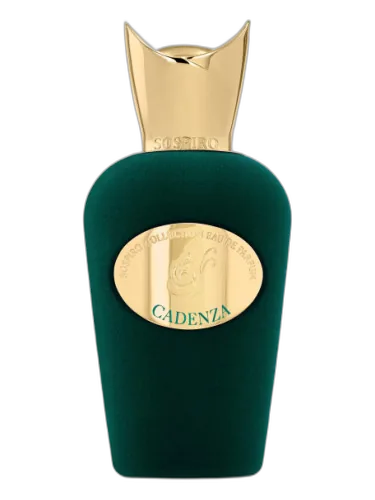
Sospiro Perfumes
Cadenza Sospiro Perfumes
Shared accords: citrus, fresh, fresh spicy
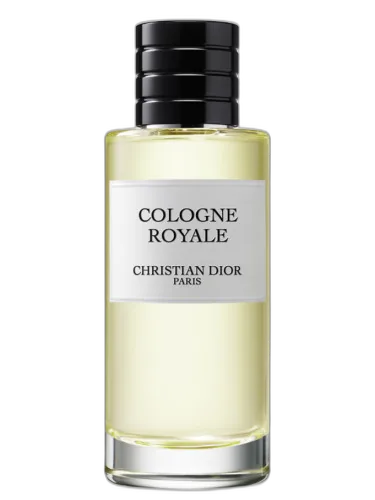
Dior
La Collection Couturier Parfumeur Cologne Royale Dior
Shared accords: citrus, fresh, fresh spicy

One Day
006 Jeju Island One Day
Shared accords: citrus, fresh, fresh spicy