


Dark Moon (holiday No.16) Dsh Perfumes
Fragrance Story
Dark Moon (Holiday No.16) by DSH Perfumes is a Chypre fragrance for women and men. Dark Moon (Holiday No.16) was launched in 2016. The nose behind this fragrance is Dawn Spencer Hurwitz.
Composition Profile
About the Perfumer

Dawn Spencer Hurwitz
Dawn Spencer Hurwitz is the founder and perfumer of DSH Perfumes, with a catalog spanning over 30 years of work. Her creations include 1,000 Lilies, Acqua Di Venezia, and Amber, as well as the American Perfumer series like Colorado. Hurwitz is known for her classical approach, often drawing on historical and geographical inspirations.
Fragrance Notes
All Notes
Complete scent profile
 Cacao Pod
 Oak
Oak
 Myrrh
Myrrh
 Nutmeg
 Honey
Honey
 Red Wine
 Incense
 Amber
Amber
 Beeswax
 Labdanum
 Sandalwood
 Cognac
 Orris
Black Pepper
Cassis
Orris
Black Pepper
Cassis
 Cedar
Cedar
 Oakmoss
 Bergamot
Bulgarian Rose
Bergamot
Bulgarian Rose
 Jasmine
Dark Moon (holiday No.16) Dsh Perfumes by DSH Perfumes offers a distinctive olfactory experience that stands out from other fragrances in its category.
Crafted with the finest ingredients and a blend of traditional and modern perfumery techniques, this fragrance represents the pinnacle of the perfumer's art.
Dark Moon (holiday No.16) Dsh Perfumes embodies the distinctive style of DSH Perfumes while adding a unique chapter to their fragrance portfolio.
Character Profile
The Dark Moon Admirer Archetype: Portrait of Dark Moon (holiday No.16) Dsh Perfumes
Essence
To wear Dark Moon is to embrace the liminal-the space between dusk and midnight, where the known dissolves into mystery. This fragrance, with its haunting blend of incense, woods, and spice, is not for those who seek the obvious. Its wearer is drawn to the unseen, the whispered, the things that linger just beyond the edges of perception. They are, at their core, an embodiment of the Archetype of the Mystic.
Shadow
Yet every light casts a shadow. The Mystic’s depth can become detachment, their wisdom a form of withdrawal. They may grow so accustomed to seeing beyond surfaces that they forget to engage with the world as it is. Their introspection can harden into isolation, their skepticism into cynicism.
At their worst, they may slip into fatalism, believing that because they see the hidden currents of life, they are doomed to observe rather than participate. They might dismiss ordinary joys as trivial, forgetting that even the most transcendent truths must be lived in the mundane. Their relationships may suffer if they expect others to meet their own intensity-few can dwell forever in the depths.
They must beware the temptation of self-mythologizing. The Mystic who forgets their own humanity becomes a ghost, haunting their own life rather than living it.
Conclusion
The Mystic does not merely exist in the world; they seek to transcend it. Their life is a pilgrimage, not toward any earthly destination, but toward understanding the hidden threads that weave reality together. They are the ones who pause in doorways, sensing the weight of unseen histories. They are the listeners in dimly lit rooms, attuned to the silences between words.
Their tastes are deliberate, favoring the rich and the enigmatic-dark wines, aged leather-bound books, the slow burn of oud and myrrh. Their style is understated yet intentional: layers of texture, deep hues, garments that suggest rather than proclaim. They do not follow trends, for they are drawn to what endures-the timeless, the ritualistic, the symbols that recur across cultures and centuries.
Philosophy is not an abstract exercise for them; it is lived. They question the nature of reality, not out of idle curiosity, but because they sense that truth is always just beyond reach. They are drawn to esoteric traditions, not as a dilettante, but as a seeker who understands that wisdom is often hidden in paradox.
Similar Fragrances
Fragrances with a comparable profile - shared accords, notes, and character.
DSH Perfumes
Dark Moon (holiday No.16) Dsh Perfumes
Shared accords: amber, aromatic, balsamic
Ted Lapidus
Lapidus Pour Homme Ted Lapidus
Shared accords: amber, aromatic, balsamic
Mendittorosa
Osang Mendittorosa
Shared accords: amber, balsamic, fresh spicy
Sacratu
Kyphi Ele Sacratu
Shared accords: amber, aromatic, balsamic
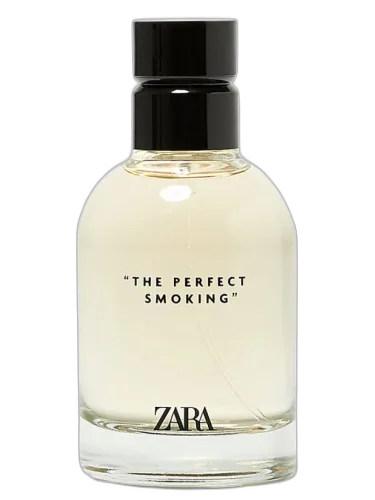
Zara
The Perfect Smoking Zara
Shared accords: amber, aromatic, balsamic