
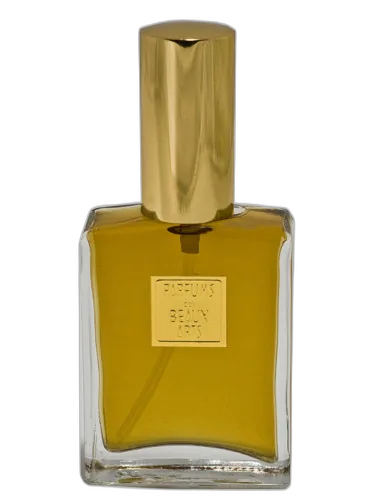

Keni Dsh Perfumes
At a glance
Is Keni Dsh Perfumes worth trying?
Keni by DSH Perfumes is a Oriental Woody fragrance for women and men.
- Best match
- Evening wear in Fall
- Performance feel
- Excellent longevity with Strong sillage
- Signature profile
- amber, warm spicy, fresh spicy with Laurels, Red Wine, Spicy Notes
The first impression
Keni by DSH Perfumes is a Oriental Woody fragrance for women and men. Keni was launched in 2013. The nose behind this fragrance is Dawn Spencer Hurwitz.
What shapes the scent
The perfumer behind it

Dawn Spencer Hurwitz
Dawn Spencer Hurwitz is the founder and perfumer of DSH Perfumes, with a catalog spanning over 30 years of work. Her creations include 1,000 Lilies, Acqua Di Venezia, and Amber, as well as the American Perfumer series like Colorado. Hurwitz is known for her classical approach, often drawing on historical and geographical inspirations.
Notes pyramid
All Notes
Complete scent profile
 Laurels
 Red Wine
 Spicy Notes
 Incense
Olibanum
Incense
Olibanum
 Australian Sandalwood
Myrhh
Australian Sandalwood
Myrhh
 Ambergris
 Amber
Amber
 Atlas Cedar
 Cassia
 Calamus
 Cardamom
 Champaca
Indian Patchouli
Champaca
Indian Patchouli
 Mastic or Lentisque
Moroccan Rose
Mastic or Lentisque
Moroccan Rose
 Labdanum
The mood it creates
The Creator Archetype: Portrait of Keni Dsh Perfumes
Essence
The person who gravitates toward Keni Dsh perfumes is, at their core, a Creator. This archetype thrives on originality, self-expression, and the alchemy of turning imagination into reality. They are not content with mere imitation-they seek to craft a world that reflects their inner vision. The fragrance itself, likely bold and unconventional, mirrors their refusal to be confined by the mundane.
Style & Aesthetic
Their tastes are eclectic yet deliberate-a mix of vintage and avant-garde, where nothing is chosen by accident. Their wardrobe might feature structured blazers with unexpected textures, or flowing fabrics that suggest both discipline and freedom. They surround themselves with art that provokes thought, music that defies genre, and books that challenge convention.
Philosophically, they reject dogma. They believe in the fluidity of identity, seeing the self as a work in progress rather than a fixed entity. Their values center on authenticity, but not in the hollow, performative sense-they despise pretense, even when it means standing alone.
Relationships
They do not seek companionship for mere comfort; they crave those who can engage in the dance of ideas. Their relationships are intense, sometimes volatile, because they demand depth. Superficial connections wither under their scrutiny. They are drawn to fellow visionaries-those who understand that love, like art, requires both passion and precision.
Yet, they are not always easy to love. Their relentless pursuit of originality can make them dismissive of tradition, even when it holds wisdom. They may mistake cynicism for insight, rejecting sentimentality so fiercely that they alienate those who express warmth more freely.
Shadow
The Creator’s greatest flaw is their impatience with imperfection-both in themselves and others. They can become paralyzed by the fear of producing something mediocre, leading to unfinished projects or a refusal to share their work. Their disdain for the ordinary sometimes morphs into elitism, making them unintentionally cruel to those who do not meet their standards.
At their worst, they may isolate themselves, convinced that no one truly understands them. This self-imposed exile is not noble suffering-it is a cage of their own making.
Conclusion
When they embrace their archetype without succumbing to its extremes, they become a force of innovation. Their ability to see beauty in the unconventional inspires others to break free from conformity. They learn that creation is not just about the final product, but the act itself-messy, flawed, and alive.
They are not here to follow. They are here to invent. And in that invention, they find their truest self.
If you like this, try these
Fragrances with a comparable profile - shared accords, notes, and character.
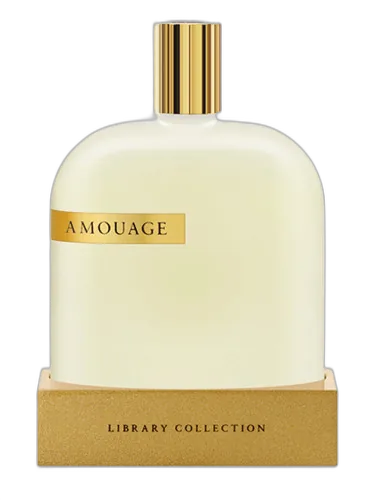
Amouage
The Library Collection Opus Vi Amouage
Shared top notes: incense
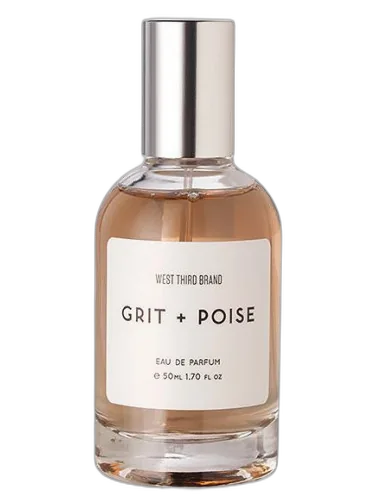
West Third Brand
Grit & Poise West Third Brand
Shared top notes: amber, incense, labdanum
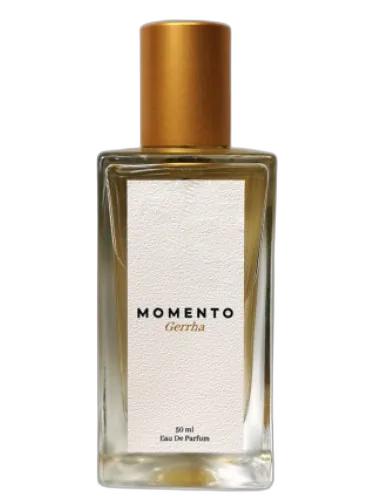
Momento Perfumery
Gerrha Momento Perfumery
Shared top notes: amber, cardamom, incense

Laboratorio Olfattivo
Sacreste Laboratorio Olfattivo
Shared top notes: cardamom, labdanum
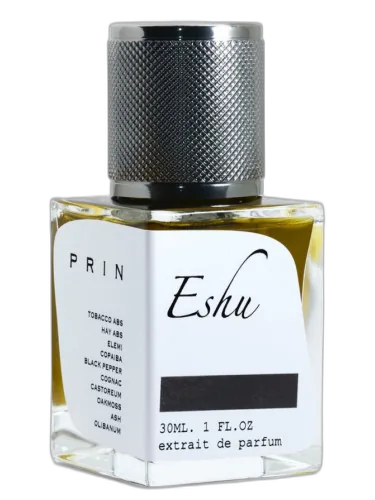
Prin
Eshu Prin
Shared top notes: amber, atlas cedar, olibanum