
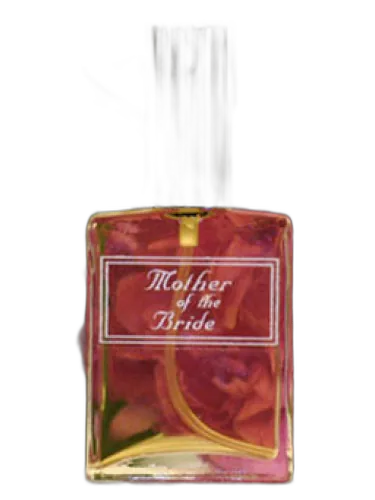

Mother Of The Bride Dsh Perfumes
At a glance
Is Mother Of The Bride Dsh Perfumes worth trying?
Mother of the Bride by DSH Perfumes is a Floral fragrance for women.
- Best match
- Special Occasion wear in Spring
- Performance feel
- Moderate longevity with Moderate sillage
- Signature profile
- floral, warm spicy, white floral with Spices, Lily, Camelia
The first impression
Mother of the Bride by DSH Perfumes is a Floral fragrance for women. The nose behind this fragrance is Dawn Spencer Hurwitz. Top note is Spices; middle notes are Lily, Camelia, Carnation and Rose; base note is Amber.
What shapes the scent
The perfumer behind it

Dawn Spencer Hurwitz
Dawn Spencer Hurwitz is the founder and perfumer of DSH Perfumes, with a catalog spanning over 30 years of work. Her creations include 1,000 Lilies, Acqua Di Venezia, and Amber, as well as the American Perfumer series like Colorado. Hurwitz is known for her classical approach, often drawing on historical and geographical inspirations.
Notes pyramid
Top Notes
First impression · 15-30 min
 Spices
Heart Notes
Core character · 2-4 hours
 Lily
Camelia
Lily
Camelia
 Carnation
 Rose
Rose
Base Notes
Lasting impression · 4+ hours
 Amber
Amber
The mood it creates
The Innocent Archetype: Portrait of Mother Of The Bride Dsh Perfumes
Essence
The Innocent Archetype is the heart of the home, the one who holds space for love to bloom. Mother of the Bride captures this essence with its tender, floral embrace-a bouquet of lily, camellia, carnation, and rose, warmed by a base of amber. This is a fragrance of celebration, of tears of joy, of the moment when a mother watches her child step into a new chapter.
The spices in the top note add a hint of complexity, a reminder that nurturing is not always soft-it requires strength, patience, and the wisdom to let go. The wearer is a guardian of traditions, a weaver of memories, one whose love is the foundation upon which others build their lives.
Style & Aesthetic
The Nurturer dresses in classic, timeless pieces-a soft cashmere cardigan, a silk blouse in a muted rose, a string of pearls passed down through generations. Their style is elegant but understated, favoring comfort and quality over trends. They choose fabrics that feel good against the skin, colors that evoke warmth and serenity.
Their home is a reflection of their heart: cozy, inviting, filled with fresh flowers and the scent of baking. They have a talent for making any space feel like a sanctuary, with soft lighting, plush cushions, and a kettle always ready for tea. Their aesthetic is one of gentle beauty, of love made visible in every detail.
Philosophy & Values
The Nurturer believes that love is the most powerful force in the universe. They value family, community, and the small, sacred rituals that bind people together-a shared meal, a hand on a fevered brow, a whispered word of encouragement. Their philosophy is one of service: to nurture is to honor the divine in every being.
They hold a deep respect for tradition, for the wisdom passed down through mothers and grandmothers. They believe in the power of presence, of showing up fully for those they love. Their values are rooted in compassion, patience, and the quiet courage of putting others first without losing themselves.
Relationships
The Nurturer is the anchor of their relationships. They are the one people turn to in times of need, the steady hand that guides without controlling. Their friendships are deep and enduring, built on years of shared joy and sorrow. They are generous with their time, their wisdom, their love.
Romantically, they seek a partner who appreciates their depth, who understands that their nurturing is not weakness but strength. They love with a fierce tenderness, like the rose that blooms even in the shade. They are loyal, devoted, and they find joy in the simple act of caring for another. Their love is a garden, and they tend it with devotion.
Lifestyle
Their days are structured around the rhythms of care. They wake early to prepare breakfast, tend to the garden, or write in a journal. Their home is a hub of activity-children, grandchildren, friends, all finding their way to the kitchen table. They cook with love, using recipes handed down through generations.
They practice self-care in quiet moments: a cup of chamomile tea, a walk in the garden, the ritual of applying perfume as a daily blessing. They find joy in the ordinary-the scent of clean laundry, the sound of laughter, the warmth of a hand in theirs. Their life is a testament to the beauty of devotion.
Shadow
The Nurturer’s shadow is self-sacrifice-a tendency to give so much that they forget to receive. They can become enmeshed in the lives of others, losing their own identity in the process. Their love can become a cage, both for themselves and for those they care for. The amber in Mother of the Bride hints at this edge: the sweetness that can become cloying, the warmth that can smother.
They risk resentment, the quiet bitterness of unacknowledged needs. Their shadow whispers that their worth is measured by what they give, but the truth is that they are worthy of love simply for being. The greatest gift they can give is to nurture themselves as tenderly as they nurture others.
Conclusion
Mother of the Bride is the fragrance of the nurturer’s heart-one that holds space for love, for growth, for the beautiful letting go that is part of every beginning. It is a reminder that to nurture is to be strong, that love is the most courageous act of all. To wear it is to honor the mothers, the grandmothers, the ones who have loved us into being.
If you like this, try these
Fragrances with a comparable profile - shared accords, notes, and character.

Persephenie Studio
Datura Persephenie Studio
Shared top notes: spices

Darkbeat Parfums
Cuero Darkbeat Parfums
Shared top notes: spices

Montale
Dark Vanilla Montale
Shared top notes: spices
A Dozen Roses
Amber Queen A Dozen Roses
Shared heart notes: rose

Chopard
1000 Miglia Chrono Chopard
Shared top notes: spices