
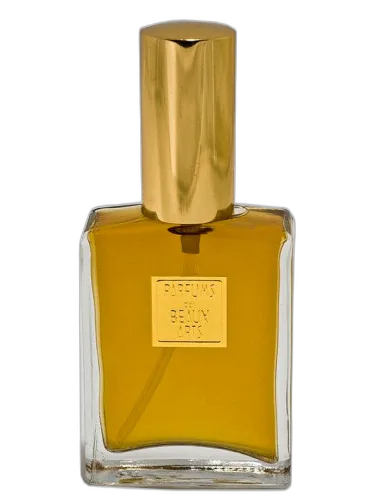

Paradise Lost (clarimonde Perfume Project) Dsh Perfumes
At a glance
Is Paradise Lost (clarimonde Perfume Project) Dsh Perfumes worth trying?
Paradise Lost (Clarimonde Perfume Project) by DSH Perfumes is a Oriental Floral fragrance for women and men.
- Best match
- Evening wear in Fall
- Performance feel
- Very Good longevity with Strong sillage
- Signature profile
- floral, sweet, herbal with Violet, Immortelle, Chamomile
The first impression
Paradise Lost (Clarimonde Perfume Project) by DSH Perfumes is a Oriental Floral fragrance for women and men. Paradise Lost (Clarimonde Perfume Project) was launched in 2011. The nose behind this fragrance is Dawn Spencer Hurwitz. Top notes are Violet, Immortelle, Chamomile and Champaca; middle notes are Floral Notes, Lotus, Surf Wax and Orris; base notes are Amber, Myrrh, Sweet Notes and Animal notes.
What shapes the scent
The perfumer behind it

Dawn Spencer Hurwitz
Dawn Spencer Hurwitz is the founder and perfumer of DSH Perfumes, with a catalog spanning over 30 years of work. Her creations include 1,000 Lilies, Acqua Di Venezia, and Amber, as well as the American Perfumer series like Colorado. Hurwitz is known for her classical approach, often drawing on historical and geographical inspirations.
Notes pyramid
Top Notes
First impression · 15-30 min
 Violet
 Immortelle
 Chamomile
 Champaca
Heart Notes
Core character · 2-4 hours
 Floral Notes
 Lotus
Lotus
 Surf Wax
 Orris
Orris
Base Notes
Lasting impression · 4+ hours
 Amber
Amber
 Myrrh
Sweet Notes
Myrrh
Sweet Notes
 Animal notes
The mood it creates
The Lover Archetype: Portrait of Paradise Lost (clarimonde Perfume Project) Dsh Perfumes
Essence
To wear Paradise Lost by Clarimonde Perfume Project (Dsh Perfumes) is to embrace a fragrance that evokes the intoxicating allure of forbidden beauty-a scent that lingers between the sacred and the sensual, between innocence and decadence. The person who chooses this perfume is not merely selecting a fragrance; they are declaring an allegiance to the Romantic archetype, one who seeks transcendence through passion, aestheticism, and the sublime.
Relationships
In love, they are both enchanting and ensnaring. They do not love lightly; their affections are all-consuming, sometimes bordering on obsession. They seek partners who can match their intensity, who understand that love is not merely companionship but a kind of worship. Yet this very idealism can be their undoing-they are prone to disillusionment when reality fails to meet their dreams. Their relationships may burn brightly but briefly, leaving behind the ashes of lost paradises.
Friendships, too, are deep but selective. They do not suffer superficiality gladly. Their inner circle consists of kindred spirits-those who appreciate the beauty of a well-chosen word, a haunting melody, or the way light falls through stained glass. But their disdain for the ordinary can make them aloof, even elitist, at times.
Shadow
The Romantic’s greatest strength-their capacity for deep feeling-is also their greatest vulnerability. When unchecked, their passion can tip into self-destruction. They may become lost in their own fantasies, mistaking longing for living. Melancholy, when indulged too deeply, can become a prison. There is a danger of becoming the tragic figure-the one who loves the idea of love more than the reality of another person.
Their aestheticism, too, can become a form of escapism. In their pursuit of the beautiful, they may neglect the practical, leaving their lives unbalanced. They might romanticize suffering, seeing pain as proof of depth rather than something to be healed. And in their quest for the perfect moment, they may fail to appreciate the imperfect but genuine joys of the present.
Conclusion
This individual is drawn to the poetic, the melancholic, and the ecstatic. Their life is a carefully curated tapestry of sensory pleasures-art, music, literature, and scent are not mere indulgences but essential nourishment. They may be an artist, a writer, or simply someone who moves through the world with the quiet intensity of one who sees deeper meaning in fleeting moments. Their taste leans toward the baroque and the mysterious: velvet drapes, antique books, flickering candlelight, the scent of aged wine and incense.
Philosophically, they reject the mundane in favor of the extraordinary. They may be drawn to the works of Baudelaire, Keats, or Novalis-poets who understood that beauty is often found in decay, in the tension between pleasure and pain. Their values are not those of utility or pragmatism but of depth and emotional richness. They believe in love as a transformative force, in art as a sacred act, and in the pursuit of the sublime as the highest calling.
If you like this, try these
Fragrances with a comparable profile - shared accords, notes, and character.
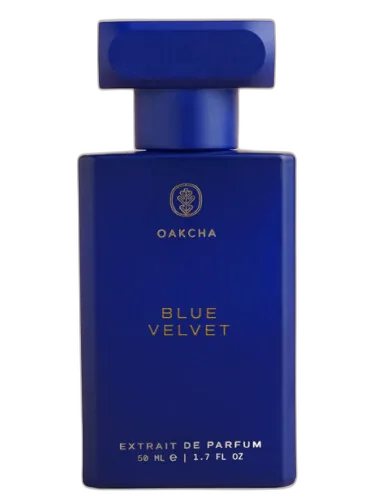
Oakcha
Blue Velvet Oakcha
Shared top notes: violet
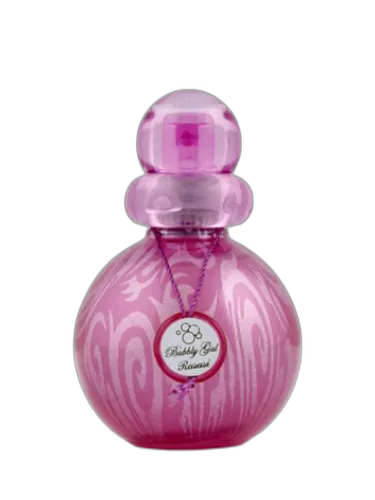
Rasasi
Bubbly Gal Rasasi
Shared heart notes: lotus
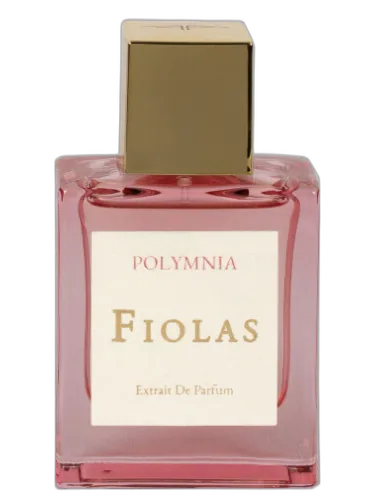
Fiolas
Polymnia Fiolas
Shared heart notes: floral notes, orris
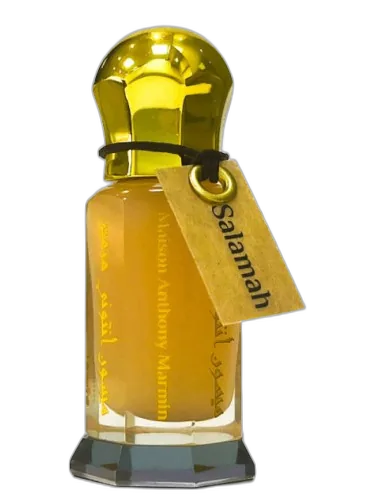
Maison Anthony Marmin
Salamah Maison Anthony Marmin
Shared top notes: violet

Calvin Klein
Euphoria Calvin Klein
Shared heart notes: lotus