


Tea And Charcoal Dsh Perfumes
At a glance
Is Tea And Charcoal Dsh Perfumes worth trying?
Tea and Charcoal by DSH Perfumes is a Oriental Spicy fragrance for women and men.
- Best match
- Evening wear in Fall
- Performance feel
- Good longevity with Moderate sillage
- Signature profile
- aromatic, woody, mineral with Lapsang Souchong Tea, Coal, Birch Tar
The first impression
Tea and Charcoal by DSH Perfumes is a Oriental Spicy fragrance for women and men. Tea and Charcoal was launched in 2020. The nose behind this fragrance is Dawn Spencer Hurwitz.
What shapes the scent
The perfumer behind it

Dawn Spencer Hurwitz
Dawn Spencer Hurwitz is the founder and perfumer of DSH Perfumes, with a catalog spanning over 30 years of work. Her creations include 1,000 Lilies, Acqua Di Venezia, and Amber, as well as the American Perfumer series like Colorado. Hurwitz is known for her classical approach, often drawing on historical and geographical inspirations.
Notes pyramid
All Notes
Complete scent profile
 Lapsang Souchong Tea
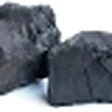 Coal
Coal
 Birch Tar
 Black Tea
Green Tea
Black Tea
Green Tea
 Orris Root
 Petitgrain
 Mate
Mate
 Bergamot
 Clary Sage
 Mitti Attar
 Oakmoss
Indian Patchouli
Oakmoss
Indian Patchouli
 Lemon
Lemon
The mood it creates
The Alchemist Archetype: Portrait of Tea And Charcoal Dsh Perfumes
Essence
The one who chooses Tea and Charcoal by DSH Perfumes is an Alchemist-a seeker of transformation, drawn to the interplay of simplicity and depth. This fragrance, with its smoky austerity and quiet warmth, mirrors their soul: a fusion of contemplation and controlled intensity. They are not seduced by the obvious or the ornate; they crave the hidden meaning in things, the transmutation of the mundane into something profound.
Like the alchemists of old, they believe in the potential of refinement-whether of ideas, materials, or the self. Their life is an experiment, a slow burn rather than a wildfire. They do not rush toward revelation but distill it, patiently, through solitude and scrutiny.
Style & Aesthetic
Their world is one of deliberate minimalism, where every object, every scent, every word carries weight. They prefer raw textures-unpolished wood, rough linen, cold steel-over anything too polished or artificial. Their home is a sanctuary of quiet: shelves lined with well-worn books, a single piece of blackened driftwood on the mantel, the faint scent of lapsang souchong lingering in the air.
In art, they are drawn to monochrome photography, abstract expressionism, and the stark beauty of wabi-sabi. Music for them is often instrumental-dark jazz, ambient drones, the occasional melancholic piano piece. They do not indulge in excess; even their pleasures are measured, like a single square of bitter chocolate dissolving slowly on the tongue.
Their days are structured but not rigid. Mornings are sacred-black coffee, a few pages of philosophy, the deliberate ritual of dressing in neutral tones. They work best in silence, whether in a dimly lit study or a sunlit corner of a nearly empty café. Their profession may involve creation (writing, design, science) or curation (archiving, editing, restoring), anything that allows them to refine and distill.
They are not impulsive; decisions are made after careful consideration. But this can lead to paralysis, an over-analysis that stifles action. They may mistake contemplation for progress, forgetting that alchemy requires not just thought but fire.
Philosophy & Values
They believe in the power of reduction-stripping away the unnecessary to reveal the essential. Superficiality is their enemy; they have little patience for small talk or hollow social rituals. Their morality is not rigid but fluid, shaped by introspection rather than dogma. They value authenticity above all, even when it is uncomfortable.
Yet this pursuit of essence can become a kind of asceticism. They may disdain sentimentality to the point of emotional detachment, mistaking austerity for wisdom. Their disdain for the trivial can border on elitism, a quiet arrogance that isolates them from those who do not share their exacting standards.
Relationships
They are not gregarious, but neither are they hermits. Their relationships are few but deep, built on mutual respect for intellect and independence. They attract those who appreciate their quiet intensity-fellow seekers, artists, thinkers-but may unintentionally intimidate others with their unspoken expectations.
Romantically, they are drawn to partners who understand their need for solitude. They do not love lightly; their affection is a slow-burning ember rather than a spark. Yet their reluctance to express vulnerability can make them seem distant, even cold. They may rationalize their detachment as strength, but in truth, it is often fear-fear of losing control, of being consumed by the chaos of emotion.
Shadow
The Alchemist’s greatest flaw is their tendency toward isolation-not just physical, but emotional. In their quest for purity, they may reject anything that feels messy or unrefined, including their own imperfections. Their disdain for the superficial can harden into cynicism, a refusal to engage with the world as it is.
At their worst, they become the very thing they despise: a prisoner of their own intellect, mistaking detachment for enlightenment. They may grow bitter, resenting those who live with unexamined ease, yet secretly envying their warmth.
Conclusion
To transcend their shadow, they must learn that transformation is not only about distillation but also about integration. The true alchemist does not merely burn away impurities-they reconcile opposites. Smoke and tea, intellect and emotion, solitude and connection. Only then can they achieve the philosopher’s stone: not perfection, but wholeness.
They will always be drawn to the scent of Tea and Charcoal-its quiet fire, its balance of warmth and austerity. It is their essence, their reminder that even in stillness, there is transformation.
If you like this, try these
Fragrances with a comparable profile - shared accords, notes, and character.

Atelier d'Artistes By Alexandre.J
E 5 Atelier D'artistes By Alexandre.j
Shared top notes: bergamot, black tea, mate
Rogue Perfumery
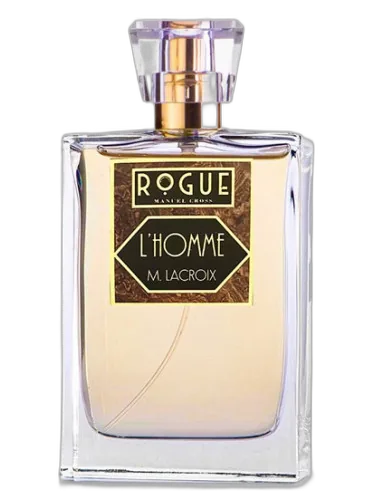
L'homme M. Lacroix Rogue Perfumery
Shared top notes: bergamot, lemon, petitgrain
Montegrappa
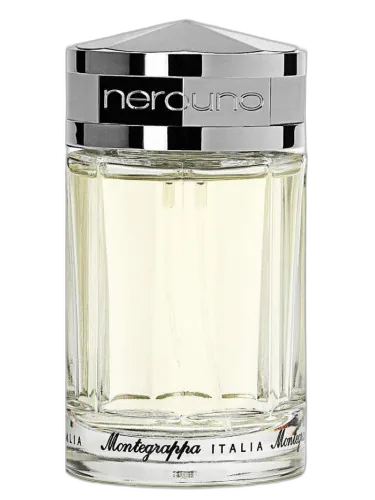
Nerouno Montegrappa
Shared top notes: bergamot, clary sage, lemon
De Rauch
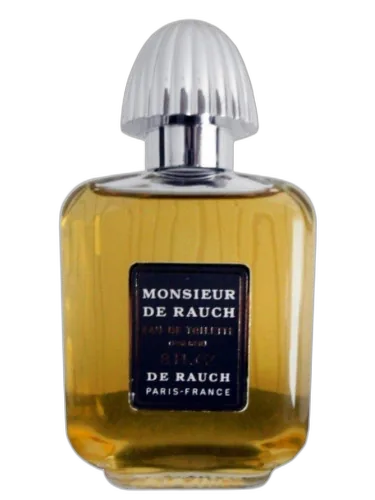
Monsieur De Rauch De Rauch
Shared top notes: bergamot, lemon, petitgrain
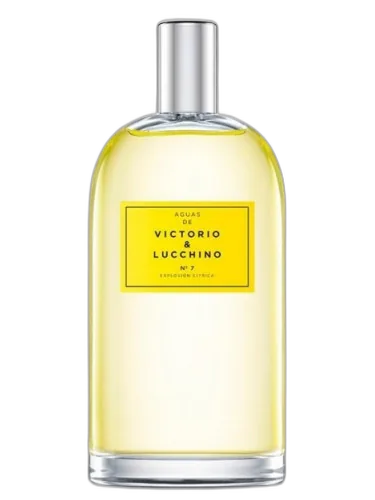
Victorio & Lucchino
Nº 7 Explosion Cítrica Victorio & Lucchino
Shared top notes: bergamot, green tea, lemon