


Dzintars 21 Dzintars
At a glance
Is Dzintars 21 Dzintars worth trying?
Dzintars 21 by Dzintars is a Floral fragrance for women.
- Best match
- Casual wear in Spring
- Performance feel
- Moderate longevity with Moderate sillage
- Signature profile
- white floral, floral, fresh with Lilac, Lily-of-the-Valley, Bergamot
The first impression
Dzintars 21 by Dzintars is a Floral fragrance for women. Dzintars 21 was launched in 1983. The nose behind this fragrance is Antonina Vitkovskaya. Top notes are Lilac, Lily-of-the-Valley, Bergamot and Hyacinth; middle notes are Tuberose, Jasmine and Myrtle; base notes are Amber, Patchouli and Musk.
What shapes the scent
The perfumer behind it

Antonina Vitkovskaya
Antonina Vitkovskaya was a prominent Soviet and Latvian perfumer, best known for her long tenure at the Dzintars perfume factory in Riga. Her olfactory style balanced bold, floral compositions with subtle woody and amber undertones, creating accessible yet sophisticated fragrances. She created numerous iconic Dzintars scents, including Allegro (1981) and Briga (1982), which became beloved staples in Eastern Europe.
Notes pyramid
Top Notes
First impression · 15-30 min
 Lilac
Lilac
 Lily-of-the-Valley
 Bergamot
 Hyacinth
Heart Notes
Core character · 2-4 hours
 Tuberose
 Jasmine
 Myrtle
Base Notes
Lasting impression · 4+ hours
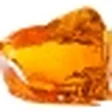 Amber
Amber
 Patchouli
 Musk
Musk
The mood it creates
The Wanderer Archetype: Portrait of Dzintars 21 Dzintars
Essence
The person who cherishes Dzintars 21 Dzintars is, at their core, an Explorer-a seeker of the unseen, a wanderer between worlds. This fragrance, with its blend of crisp florals and woody depth, evokes a spirit that refuses to be confined. Like Ulysses setting sail, they are drawn to the horizon, not out of restlessness, but from an insatiable curiosity. The Explorer thrives on discovery, whether in distant lands or the hidden corners of the mind. They are not merely a traveler in the physical sense, but a philosopher of experience, always probing, always questioning.
Yet, the shadow of the Explorer is rootlessness-an inability to settle, a fear of stagnation that can leave them perpetually unmoored. They may struggle with commitment, mistaking depth for limitation, mistaking stillness for death.
Style & Aesthetic
Their tastes are eclectic, yet deliberate. They prefer the unexpected harmony-a vintage leather-bound book next to a sleek modern sculpture, a folk melody woven into an electronic beat. Their wardrobe is a tapestry of textures: linen that breathes like wind, wool that carries the weight of history, silk that whispers of forgotten elegance. They are drawn to imperfect beauty, the kind that reveals itself slowly-a chipped teacup, a weathered door, a melody that lingers just beyond memory.
In art, they favor the symbolic and layered-surrealism, abstract expressionism, the poetry of Rilke or Pessoa. They do not consume culture passively; they interrogate it, seeking the hidden threads that connect disparate ideas.
They thrive in liminal spaces-cafés at midnight, train stations at dawn, the quiet hum of a library. Their home is not a fortress but a waystation, filled with artifacts of their journeys: a seashell from a Baltic shore, a notebook crammed with half-formed thoughts, a bottle of Dzintars 21 Dzintars resting on a worn oak desk.
Work, for them, must be an extension of their quest. They are ill-suited for rigid hierarchies or repetitive tasks. They flourish in roles that demand creativity-writing, research, design, or any vocation that allows them to remake the world in their image.
Philosophy & Values
Their philosophy is one of radical presence-not in the sense of mindfulness clichés, but as an unrelenting pursuit of truth, however uncomfortable. They despise dogma, yet they are not nihilists; they believe in meaning, but only the kind that is earned, not given.
They value freedom above all, but not the shallow freedom of mere choice. For them, true freedom is the courage to confront the abyss within, to embrace uncertainty without collapsing into cynicism. They respect those who walk their own path, even if it diverges from theirs.
Yet, their disdain for convention can harden into contempt for those who find comfort in tradition. They may mistake stability for cowardice, routine for stagnation-a blindness that can isolate them from deeper human connections.
Relationships
In love and friendship, they are intense but elusive. They crave deep connection but fear the weight of expectation. Their relationships are marked by fervent intellectual exchange, long conversations under dim lights, shared silences that speak volumes. They are drawn to those who challenge them, who refuse to be easily deciphered.
Yet, their fear of confinement can make them emotionally nomadic. They may vanish without warning, not out of malice, but from an instinctive recoil at the thought of being possessed. Those who love them must learn to hold them loosely, like sand slipping through fingers.
Shadow
For all their brilliance, the Explorer’s greatest weakness is their own independence. In their refusal to be tied down, they may drift into isolation, mistaking solitude for strength. Their aversion to routine can become its own prison-one where they are forever searching, but never arriving.
The Dzintars 21 Dzintars wearer must learn that true exploration is not just movement, but depth. The scent they love-both fresh and enduring-holds the secret: to wander is human, but to choose a home within the chaos is divine.
If you like this, try these
Fragrances with a comparable profile - shared accords, notes, and character.
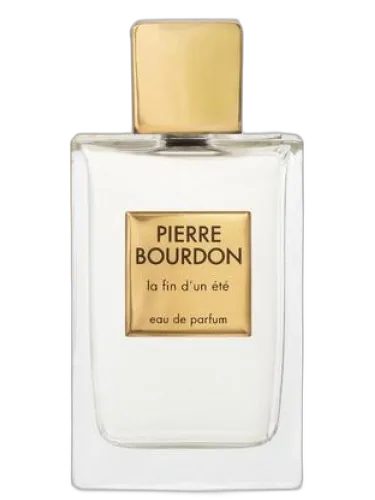
Pierre Bourdon
La Fin D'un Ete Pierre Bourdon
Shared top notes: bergamot
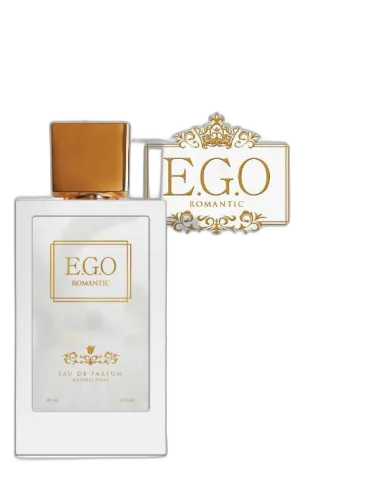
E.G.O
Ego Romantic E.g.o
Shared heart notes: jasmine, tuberose
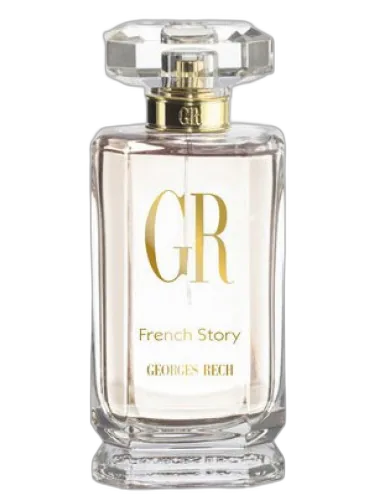
Georges Rech
French Story Georges Rech
Shared top notes: bergamot
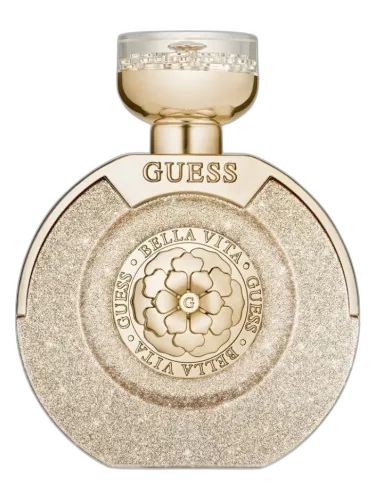
Guess
Bella Vita Paradiso Guess
Shared heart notes: jasmine, tuberose

Montana
Suggestion Eau D'argent 2016 Montana
Shared heart notes: jasmine