
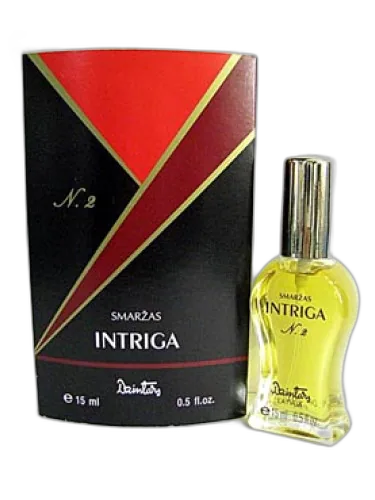

Intriga No2 Dzintars
At a glance
Is Intriga No2 Dzintars worth trying?
Intriga No2 by Dzintars is a Oriental Floral fragrance for women.
- Best match
- Evening wear in Fall, Winter
- Performance feel
- Good longevity with Moderate sillage
- Signature profile
- warm spicy, woody, patchouli with Ylang Ylang, Lily of the Valley, Rose
The first impression
Intriga No2 by Dzintars is a Oriental Floral fragrance for women. Intriga No2 was launched in 1994. The nose behind this fragrance is Antonina Vitkovskaya. Top notes are Ylang Ylang, Lily of the Valley, Rose, Violet and Jasmine; middle notes are Black Currant, Peach, Carnation and Coriander; base notes are Patchouli, Vanilla, Vetiver, Sandalwood and Amber.
What shapes the scent
The perfumer behind it

Antonina Vitkovskaya
Antonina Vitkovskaya was a prominent Soviet and Latvian perfumer, best known for her long tenure at the Dzintars perfume factory in Riga. Her olfactory style balanced bold, floral compositions with subtle woody and amber undertones, creating accessible yet sophisticated fragrances. She created numerous iconic Dzintars scents, including Allegro (1981) and Briga (1982), which became beloved staples in Eastern Europe.
Notes pyramid
Top Notes
First impression · 15-30 min
 Ylang Ylang
 Lily of the Valley
 Rose
Rose
 Violet
 Jasmine
Heart Notes
Core character · 2-4 hours
 Black Currant
 Peach
Peach
 Carnation
 Coriander
Base Notes
Lasting impression · 4+ hours
 Patchouli
 Vanilla
 Vetiver
 Sandalwood
 Amber
Amber
The mood it creates
The Intriga No Archetype: Portrait of Intriga No2 Dzintars
Essence
This person is most closely aligned with the Seducer, an archetype that thrives on allure, mystery, and the art of influence. Not in the crude sense of manipulation, but in the refined dance of fascination-drawing others in with an intoxicating blend of confidence and enigma. The Seducer is not merely about romance; it is about the magnetism of personality, the ability to shape perceptions, and the pleasure of being desired without fully revealing oneself.
Intriga No2 Dzintars, with its bold, woody-spicy composition, is the perfect olfactory signature for such a figure. It does not announce itself crudely but lingers in the air, demanding attention while remaining just out of reach. The wearer of this scent understands the power of suggestion-of leaving something to the imagination.
Shadow
For all their allure, the shadow of the Seducer is emotional detachment. Their ability to fascinate can become a cage-one where they are admired but never fully seen. They may grow restless in relationships, always seeking the next spark of intrigue, fearing that familiarity will dull their mystique.
At their worst, they can become manipulative, not out of malice but from a deep-seated fear of vulnerability. They may discard people when they no longer serve as sources of inspiration, leaving behind a trail of admirers who never quite understood why they were let go.
Conclusion
Tastes & Style
Their aesthetic is deliberate, a carefully curated blend of classic and unconventional. They favor tailored silhouettes with a hint of rebellion-a well-fitted blazer with an unexpected texture, a vintage watch paired with modern minimalism. Their home is a sanctuary of moody elegance: dark woods, deep hues, and strategically placed objects that invite curiosity without explanation.
They appreciate the finer things but disdain ostentation. A rare vinyl record, a bottle of aged whiskey, a first-edition book-these are not status symbols but personal treasures, extensions of their identity.
Philosophy & Values
They believe in the art of living well, not in the hedonistic sense, but as an exercise in refinement. Life, to them, is a series of impressions-some left, some received. They value intelligence, wit, and the ability to hold a conversation that dances between depth and playfulness.
Yet beneath this polished exterior lies a quiet disdain for the mundane. They despise predictability, both in themselves and others, and are drawn to those who challenge them. Their loyalty is hard-won but fierce once given.
Relationships
In love and friendship, they are magnetic but elusive. They draw people in effortlessly, yet few ever feel they truly know them. Their charm is genuine, but it also serves as a barrier-a way to keep the world at a measured distance.
Romantically, they are passionate but guarded. They enjoy the thrill of pursuit, the slow unraveling of another’s psyche, but commitment is only possible with someone who respects their need for independence. They are not cruel, but they are not easily tamed.
If you like this, try these
Fragrances with a comparable profile - shared accords, notes, and character.
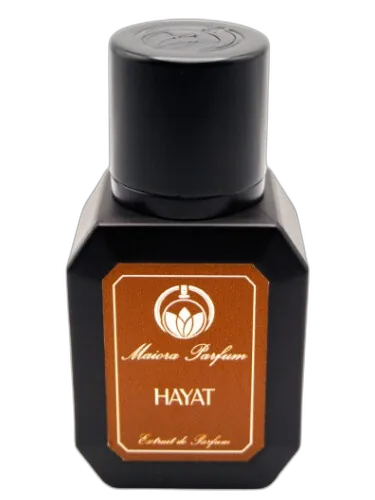
Maiora Parfum
Hayat Maiora Parfum
Shared base notes: amber, patchouli, sandalwood
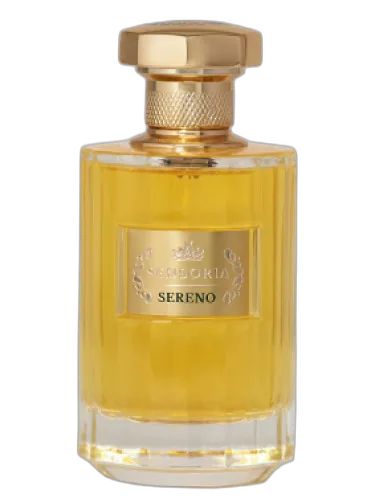
Sensoria
Sereno Sensoria
Shared base notes: patchouli, sandalwood, vanilla
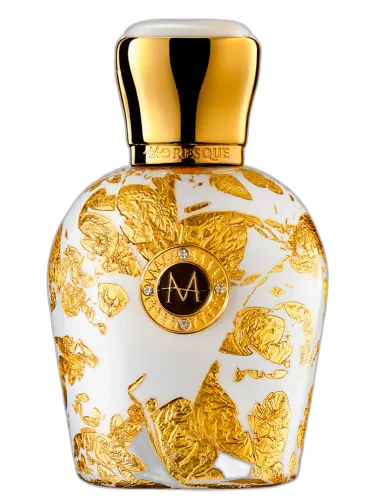
Moresque
Regina Moresque
Shared heart notes: carnation
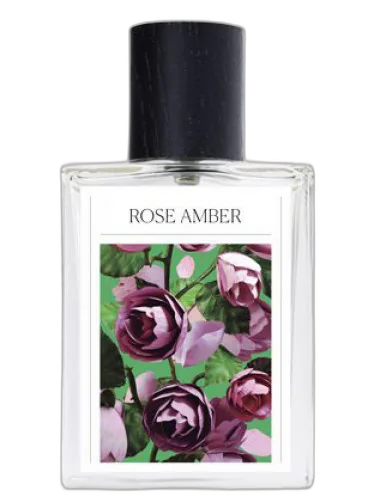
The 7 Virtues
Rose Amber The 7 Virtues
Shared base notes: amber, patchouli, sandalwood

Alexandria Fragrances
Unforgettable Alexandria Fragrances
Shared top notes: jasmine