
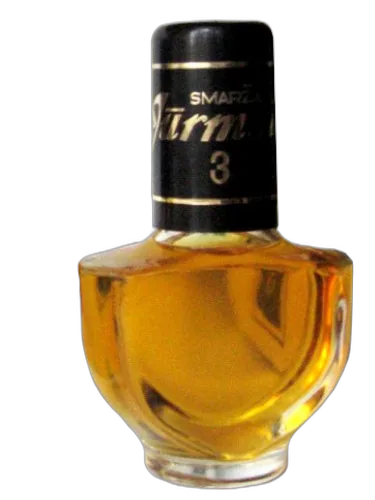

Jurmala 3 Dzintars
At a glance
Is Jurmala 3 Dzintars worth trying?
Jurmala 3 by Dzintars is a fragrance for women.
- Best match
- Evening, Special Occasion wear in Fall, Winter
- Performance feel
- Good longevity with Moderate sillage
- Signature profile
- woody, amber, powdery with Rose, Peach, Violet
The first impression
Jurmala 3 by Dzintars is a fragrance for women. Jurmala 3 was launched in 1983. Jurmala 3 was created by Antonina Vitkovskaya, Victoria Ryabko and Liesma Oše (Prūse). Top notes are Rose, Peach and Violet; middle notes are Patchouli, Ylang-Ylang, Tuberose and Labdanum; base notes are Sandalwood, Amber, Musk and Leather.
What shapes the scent
The perfumer behind it
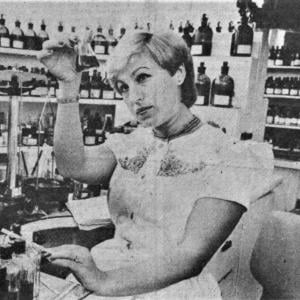
Antonina Vitkovskaya
Antonina Vitkovskaya was a prominent Soviet and Latvian perfumer, best known for her long tenure at the Dzintars perfume factory in Riga. Her olfactory style balanced bold, floral compositions with subtle woody and amber undertones, creating accessible yet sophisticated fragrances. She created numerous iconic Dzintars scents, including Allegro (1981) and Briga (1982), which became beloved staples in Eastern Europe.
Notes pyramid
Top Notes
First impression · 15-30 min
 Rose
Rose
 Peach
Peach
 Violet
Heart Notes
Core character · 2-4 hours
 Patchouli
 Ylang-Ylang
 Tuberose
 Labdanum
Base Notes
Lasting impression · 4+ hours
 Sandalwood
 Amber
Amber
 Musk
Musk
 Leather
The mood it creates
The Lover Archetype: Portrait of Jurmala 3 Dzintars
Essence
This person is most closely aligned with the Sage, yet their spirit carries whispers of the Mystic. They are drawn to knowledge, but not the dry, academic kind-they seek wisdom that is felt, intuited, lived. Jurmala 3 Dzintars, with its blend of amber, pine, and a subtle marine freshness, mirrors their essence: earthy yet ethereal, rooted yet wandering. They are the kind of person who reads Rilke by the sea, who finds philosophy in the scent of rain on pine needles.
Style & Aesthetic
Their style is understated but deliberate-linen shirts, woolen coats, perhaps a single piece of Baltic amber jewelry. They prefer muted colors, not out of dullness, but because they find richness in texture and depth rather than loudness. Their home is a sanctuary of books, dried herbs, and well-worn leather chairs. They drink black tea with honey, savor dark rye bread, and have a soft spot for smoked fish-flavors that carry history, tradition, a sense of timelessness.
Music is either classical (Sibelius, perhaps) or folk melodies from forgotten corners of Europe. They dislike anything too polished, too commercial-they crave authenticity, even if it is rough around the edges.
They might live near forests or the sea, someplace where nature is close but civilization is not far. They enjoy travel, but not as a tourist-they go to sit in old libraries, to walk empty beaches in the off-season. They work in a field that allows for contemplation-perhaps writing, teaching, healing, or preserving something ancient.
Yet their shadow is a tendency toward melancholy, a nostalgia for things they never knew. They might struggle with inertia, with the weight of their own introspection. At their worst, they can become passive observers of life rather than participants.
Philosophy & Values
They believe in the unseen, the unspoken. Not in a superstitious way, but in the way a poet believes in metaphor-that reality is layered, that meaning is often hidden just beneath the surface. They distrust dogma but respect ritual. They might meditate, but not in the trendy, self-optimizing way-rather as a means of listening, not to themselves, but to something older, quieter.
Their values are rooted in depth over speed, essence over appearance. They despise small talk but will talk for hours about dreams, myths, or the way light changes in autumn. They are drawn to people who have lived through something, who carry scars and stories.
Relationships
They are not gregarious, but neither are they cold. Their friendships are few but unshakable. They prefer one deep conversation at midnight to a dozen parties. In love, they are slow to trust but fiercely loyal once they do. They do not love lightly-when they love, it is with a quiet intensity, a devotion that does not need to be spoken to be felt.
Yet their shadow emerges here: they can be too withdrawn, too reluctant to bridge the gap between solitude and connection. They might romanticize loneliness, mistake it for wisdom. They fear being misunderstood, and so sometimes they do not speak at all.
Shadow
Their greatest strength-their love of the profound-can also be their undoing. They might disdain the mundane, the practical, the everyday joys that keep most people grounded. They can become lost in their own mind, mistaking solitude for enlightenment, withdrawal for wisdom.
But when balanced, they are a rare kind of soul-one who sees the world not just as it is, but as it could be, as it once was in myth and memory. They are keepers of quiet truths, and in their presence, you feel both the weight of time and the lightness of something eternal.
Jurmala 3 Dzintars is their scent because it, too, is a paradox-warm yet cool, familiar yet mysterious. Like them, it lingers, not demanding attention, but rewarding those who pause long enough to truly notice.
If you like this, try these
Fragrances with a comparable profile - shared accords, notes, and character.
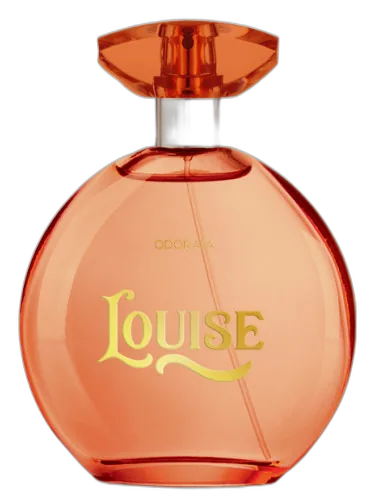
Odorata
Louise Odorata
Shared top notes: peach, violet
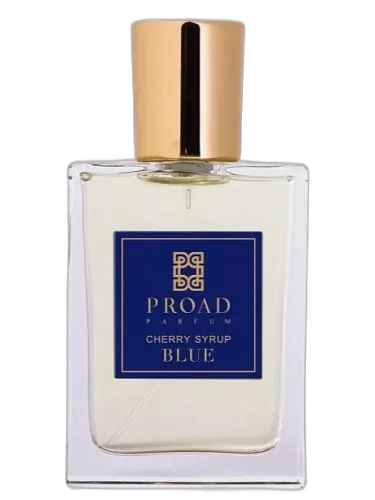
Proad
Cherry Syrup Blue Proad
Shared top notes: peach
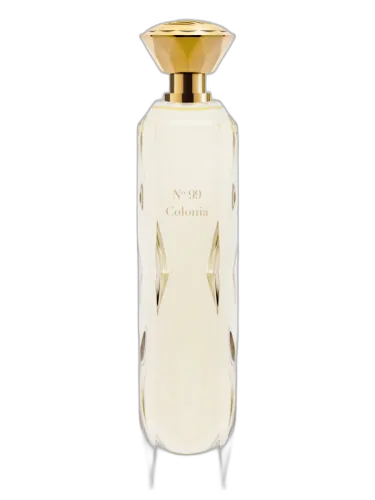
Mauzan
Colonia No99 Mauzan
Shared top notes: rose
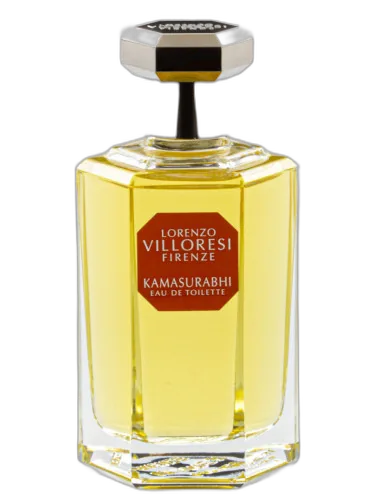
Lorenzo Villoresi
Kamasurabhi Lorenzo Villoresi
Shared top notes: rose

Au Pays de la Fleur d’Oranger
Tubereuse Rosee Au Pays De La Fleur D’oranger
Shared top notes: rose