


Kontakts Dzintars
At a glance
Is Kontakts Dzintars worth trying?
Kontakts by Dzintars is a Oriental Floral fragrance for women.
- Best match
- Evening, Special Occasion wear in Fall, Winter
- Performance feel
- Good longevity with Strong sillage
- Signature profile
- amber, balsamic, warm spicy with Jasmine, Lily, Rose
The first impression
Kontakts by Dzintars is a Oriental Floral fragrance for women. Kontakts was launched in 1983. The nose behind this fragrance is Antonina Vitkovskaya. Top notes are Jasmine, Lily and Rose; middle notes are Opoponax, Benzoin and Sandalwood; base notes are Amber, Black Pepper and Musk.
What shapes the scent
The perfumer behind it

Antonina Vitkovskaya
Antonina Vitkovskaya was a prominent Soviet and Latvian perfumer, best known for her long tenure at the Dzintars perfume factory in Riga. Her olfactory style balanced bold, floral compositions with subtle woody and amber undertones, creating accessible yet sophisticated fragrances. She created numerous iconic Dzintars scents, including Allegro (1981) and Briga (1982), which became beloved staples in Eastern Europe.
Notes pyramid
Top Notes
First impression · 15-30 min
 Jasmine
 Lily
Lily
 Rose
Rose
Heart Notes
Core character · 2-4 hours
 Opoponax
 Benzoin
 Sandalwood
Base Notes
Lasting impression · 4+ hours
 Amber
Amber
 Black Pepper
 Musk
Musk
The mood it creates
The Lover Archetype: Portrait of Kontakts Dzintars
Essence
To wear Kontakts Dzintars is to embrace a fragrance that is both nostalgic and bold-a scent that carries the weight of history yet refuses to be confined by it. This is a perfume of contrasts: warm amber and sharp spices, floral sweetness and woody depth. The person who chooses it is not one for fleeting trends; they seek something with roots, something that whispers of tradition while still asserting its presence in the modern world.
Above all, this individual is defined by the Sage archetype-the seeker of wisdom, the keeper of knowledge, the one who values truth above all else. They are drawn to understanding, not merely for its own sake, but for the way it shapes perception and meaning. Like the fragrance they favor, they are layered-intellectually curious, yet grounded in a deep respect for the past.
Their mind is a library of ideas, and they move through the world with a quiet confidence, knowing that wisdom is not found in loud declarations but in patient observation. They are the friend who recommends the perfect book, the one who can trace the lineage of a thought back centuries, the one who listens more than they speak-but when they do speak, their words carry weight.
Yet, the Sage is not without their shadows.
Shadow
But the Sage’s greatest strength can also be their greatest flaw. Their pursuit of knowledge can become a retreat from feeling, their love of wisdom a shield against vulnerability. They may rationalize emotions rather than experience them, turning even pain into an intellectual exercise. At times, they risk becoming the observer rather than the participant-always analyzing, never fully surrendering to the moment.
Their preference for depth can also harden into rigidity. They may dismiss what they see as superficial, forgetting that not all truth is found in books-some is lived, messy, and unpolished. They might grow impatient with those who do not share their curiosity, subtly condescending without realizing it. And while they value tradition, they must be wary of becoming trapped in it, mistaking familiarity for truth.
Conclusion
Their love for Kontakts Dzintars reflects an appreciation for craftsmanship-an understanding that beauty is often found in complexity. They are drawn to literature, philosophy, and art that challenges them, preferring Dostoevsky over light fiction, Bergman films over blockbusters. Their personal style is understated but deliberate: well-tailored coats, vintage watches, perhaps a single piece of heirloom jewelry. They do not dress to impress but to express-each choice a quiet statement of identity.
In relationships, they are loyal but selective. They do not surround themselves with many, but the few they keep close are bound by mutual respect and intellectual kinship. They are the confidant, the advisor, the one who offers perspective when emotions cloud judgment. Their home is a sanctuary of books, records, and carefully chosen objects-each with a story, each placed with intention.
They value independence, both in thought and action. Routine does not stifle them; rather, they find comfort in rituals-morning coffee with a well-worn novel, evening walks through quiet streets. They are not afraid of solitude; in fact, they thrive in it, for it is where their mind is most alive.
If you like this, try these
Fragrances with a comparable profile - shared accords, notes, and character.
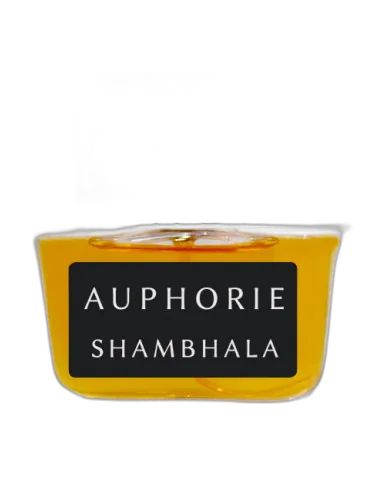
Auphorie
Shambala Auphorie
Shared top notes: jasmine, rose
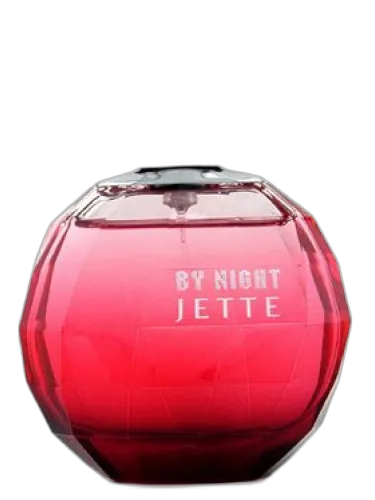
Jette Joop
By Night Jette Jette Joop
Shared top notes: jasmine, rose
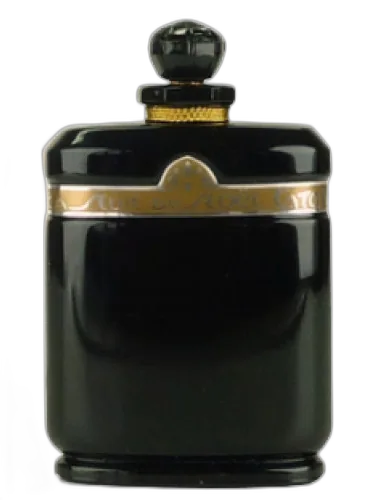
Caron
Nuit De Noel Extrait De Parfum Caron
Shared top notes: jasmine, rose
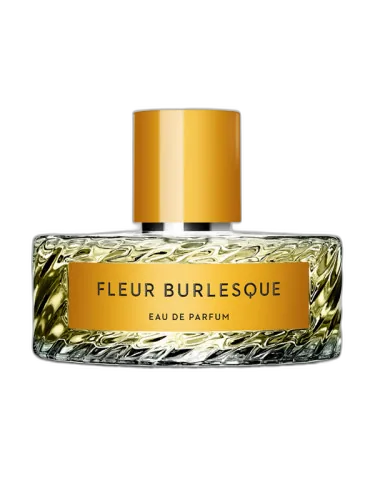
Vilhelm Parfumerie
Fleur Burlesque Vilhelm Parfumerie
Shared top notes: jasmine

Caron
Bain De Champagne (royal Bain De Caron) Caron
Shared top notes: rose