


Kredo (кредо) Dzintars
Fragrance Story
Kredo (Кредо) by Dzintars is a Floral fragrance for women. Kredo (Кредо) was launched in 1983. Kredo (Кредо) was created by Antonina Vitkovskaya, Victoria Ryabko and Liesma Oše (Prūse). Top notes are Bergamot, Lily-of-the-Valley, Rose and Violet; middle notes are Ylang-Ylang, Carnation, Jasmine and Tuberose; base notes are Woody Notes, Sandalwood and Resins.
Composition Profile
About the Perfumer
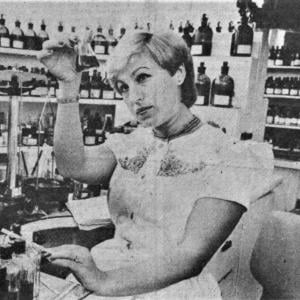
Antonina Vitkovskaya
Antonina Vitkovskaya was a prominent Soviet and Latvian perfumer, best known for her long tenure at the Dzintars perfume factory in Riga. Her olfactory style balanced bold, floral compositions with subtle woody and amber undertones, creating accessible yet sophisticated fragrances. She created numerous iconic Dzintars scents, including Allegro (1981) and Briga (1982), which became beloved staples in Eastern Europe.
Fragrance Notes
Top Notes
First impression · 15-30 min
 Bergamot
 Lily-of-the-Valley
 Rose
Rose
 Violet
Heart Notes
Core character · 2-4 hours
 Ylang-Ylang
 Carnation
 Jasmine
 Tuberose
Base Notes
Lasting impression · 4+ hours
 Woody Notes
 Sandalwood
 Resins
Kredo (кредо) Dzintars by Dzintars offers a distinctive olfactory experience that stands out from other fragrances in its category.
Crafted with the finest ingredients and a blend of traditional and modern perfumery techniques, this fragrance represents the pinnacle of the perfumer's art.
Kredo (кредо) Dzintars embodies the distinctive style of Dzintars while adding a unique chapter to their fragrance portfolio.
Character Profile
The Sage Archetype: Portrait of Kredo (кредо) Dzintars
Essence
To wear Kredo by Dzintars is to embrace an aura of quiet confidence-a fragrance that is neither ostentatious nor fleeting, but deliberate, refined, and contemplative. The person who chooses this scent is not one for superficial charm; they seek depth, wisdom, and a sense of timeless elegance. Their essence aligns most closely with the Sage archetype, the seeker of truth, the thinker who navigates life with intellect and introspection.
Shadow
Yet the Sage is not without their shadows. Their strength-reason-can become a prison when overindulged. They may retreat too far into their mind, analyzing emotions rather than feeling them. Relationships can suffer when they intellectualize pain instead of embracing vulnerability. A partner may accuse them of being distant, of treating love like a philosophical problem rather than a lived experience.
Their pursuit of wisdom can also manifest as skepticism bordering on cynicism. They may dismiss passion as naivety, mistaking jadedness for insight. At their worst, they become the aloof observer, standing apart from life rather than engaging with it. Their disdain for superficiality can harden into contempt for those who do not share their depth-a subtle but corrosive arrogance.
They may also struggle with decisiveness, trapped in endless contemplation. While others act, they weigh every possible outcome, sometimes to the point of paralysis. The world demands movement, but they prefer the safety of thought.
Conclusion
This individual moves through the world with a measured grace, valuing knowledge above spectacle. Their tastes are classical but not antiquated-they appreciate the enduring over the ephemeral. In literature, they favor Dostoevsky or Hesse, where moral and existential dilemmas unfold in rich psychological layers. Their wardrobe is understated but deliberate: well-tailored wool, muted tones, perhaps a single striking accessory-a vintage watch or an heirloom ring-that carries history and meaning.
Philosophy is not an abstract exercise for them but a lived experience. They question assumptions, weigh contradictions, and seek understanding rather than easy answers. Stoicism and existentialism resonate with them, not as rigid doctrines but as frameworks for navigating life’s uncertainties. They believe in the power of reason, yet they are not cold-they simply prefer depth to sentimentality.
In relationships, they are the confidant, the listener who offers insight rather than empty reassurance. Their friendships are few but profound, built on mutual respect and intellectual exchange. Romantic partners must engage their mind as much as their heart; superficial charm fades quickly for them. They are drawn to those who challenge them, who bring new perspectives without demanding emotional theatrics.
Their lifestyle reflects their values: disciplined but not austere. They may keep a meticulously organized study, a sanctuary of books and handwritten notes. Coffee or tea is a ritual, not a habit-each sip an opportunity for reflection. They thrive in environments where thought is currency: academia, writing, philosophy, or perhaps the quiet precision of a craft like watchmaking or woodworking.
Similar Fragrances
Fragrances with a comparable profile - shared accords, notes, and character.
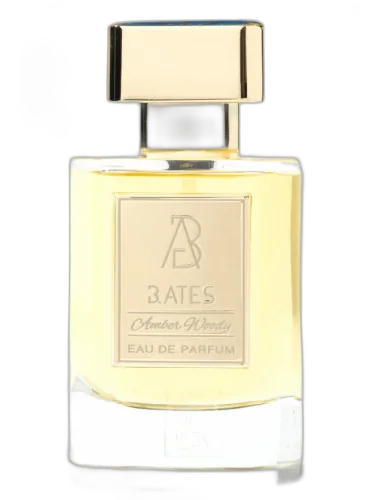
B.ATES
Amber Woody B.ates
Shared accords: citrus, floral, fresh
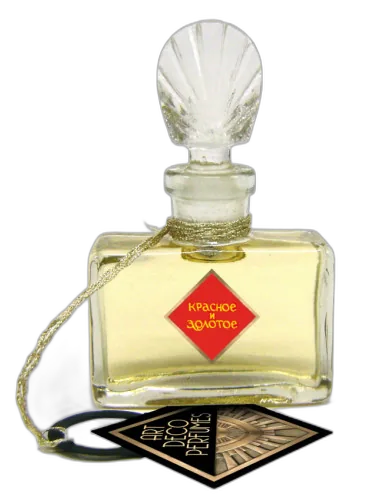
Art Deco Perfumes
Krasnoe I Zolotoe Красное И Золотое Art Deco Perfumes
Shared accords: amber, citrus, floral
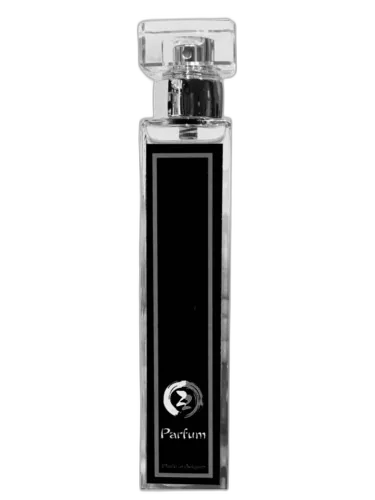
NeZ ZeN
Jasmin D'eté Nez Zen
Shared accords: amber, citrus, floral
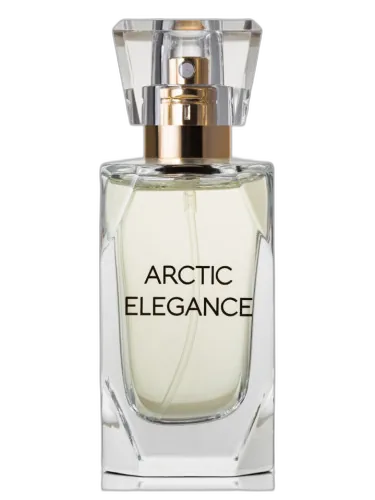
Norra Norrland
Arctic Elegance Norra Norrland
Shared accords: amber, citrus, floral
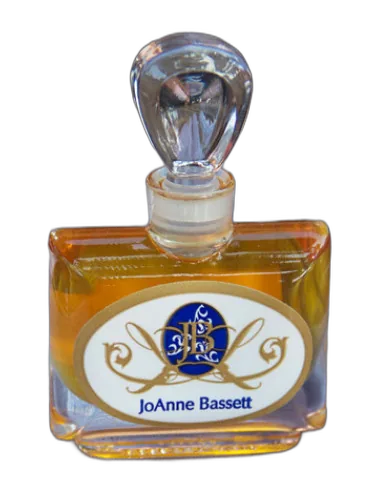
JoAnne Bassett
Le Voyage Joanne Bassett
Shared accords: amber, citrus, floral