
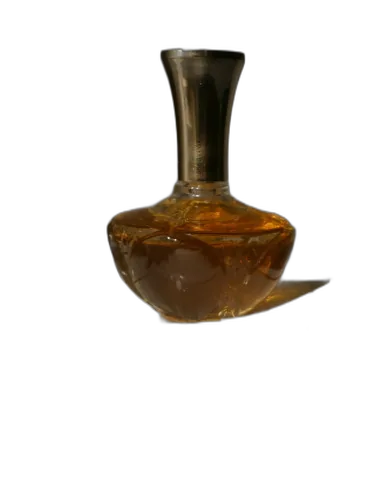

Meža Vējš (лесной Ветер) Dzintars
At a glance
Is Meža Vējš (лесной Ветер) Dzintars worth trying?
Meža Vējš (Лесной ветер) by Dzintars is a Floral fragrance for women.
- Best match
- Casual wear in Spring, Summer
- Performance feel
- Moderate longevity with Moderate sillage
- Signature profile
- green, woody, white floral with Hyacinth, Lily-of-the-Valley, Violet
The first impression
Meža Vējš (Лесной ветер) by Dzintars is a Floral fragrance for women. Meža Vējš (Лесной ветер) was launched in 1980. Meža Vējš (Лесной ветер) was created by Bronislava Schwarzman and Liesma Oše (Prūse). Top notes are Hyacinth, Lily-of-the-Valley and Violet; middle notes are Galbanum, Jasmine, Rose and Sandalwood; base notes are Woody Notes and Musk.
What shapes the scent
The perfumer behind it

Bronislava Schwarzman
Bronislava Schwarzman is the perfumer behind many classic Dzintars fragrances, including Agats, Antejs, Ave Sol, Bolero, Būrve, Dan, Do, and Dons Žuans. Her work is rooted in Soviet-era perfumery traditions, often featuring rich, bold accords. Schwarzman's creations are known for their longevity and distinctive character.
Notes pyramid
Top Notes
First impression · 15-30 min
 Hyacinth
 Lily-of-the-Valley
 Violet
Heart Notes
Core character · 2-4 hours
 Galbanum
 Jasmine
 Rose
Rose
 Sandalwood
Base Notes
Lasting impression · 4+ hours
 Woody Notes
 Musk
Musk
The mood it creates
The Wanderer Archetype: Portrait of Meža Vējš (лесной Ветер) Dzintars
Essence
Meža Vējš embodies the Wanderer, a spirit drawn to the untamed edges of forests and meadows. Its green, woody freshness evokes someone who finds solace in solitude, moving lightly through the world like a breeze through birch trees. The hyacinth and lily-of-the-valley suggest a quiet reverence for fleeting beauty, while the musk and sandalwood base ground them in earthy resilience.
They are neither lost nor seeking-simply present, attuned to the rustling leaves and distant birdsong. The Wanderer wears this scent as a second skin, a reminder that every path is temporary, and every clearing holds a secret.
Style & Aesthetic
Their wardrobe leans toward practicality with a touch of nostalgia: well-worn linen shirts, leather satchels, and boots softened by miles. They favor muted greens and browns, colors that blend into the landscape. The floralcy of Meža Vējš lingers like wildflowers tucked into a buttonhole, unexpected but perfectly placed.
Their spaces are sparse but intentional-a sunlit attic room with dried herbs hanging from the rafters, or a cabin where the scent of rain on pine boards mingles with the perfume’s crispness.
Philosophy & Values
Freedom is their creed, but not recklessness. They believe in moving with the seasons, both literal and metaphorical. The galbanum’s bitterness tempers the rose’s romance; they understand that growth requires both sunlight and storms.
They distrust permanence but cherish moments deeply. A pressed violet in a book, a shared flask of tea by a campfire-these are their sacraments.
Relationships
They connect in bursts of intensity, like the jasmine’s fleeting sweetness. Friends know them as the one who sends postcards from unnamed towns, then vanishes for months. Lovers are drawn to their self-contained mystery but learn that the Wanderer’s heart is a compass, not an anchor.
Their bonds are often wordless: a silent hike at dawn, or the gift of a smooth stone from a riverbed.
Lifestyle
Mornings begin with cold water and stretching on dew-damp grass. They work with their hands-gardening, carpentry, or mending old books-finding rhythm in repetition. Meža Vējš is their companion on long walks, its sillage fading as they do, leaving only a trace of musk and memory.
They keep a journal filled with sketches of plants and half-finished poems, all penned in fading ink.
Shadow
Their independence can curdle into isolation. The woody notes grow brittle without the floral softness; they forget that even wanderers need hearths to return to. When winter comes, they risk becoming a ghost in their own life, mistaking solitude for strength.
Conclusion
Meža Vējš is the scent of a footpath disappearing into the trees, inviting but never demanding. The Wanderer who wears it knows the art of departure-and the quiet joy of finding wild violets in the moss, again and again.
If you like this, try these
Fragrances with a comparable profile - shared accords, notes, and character.

Guerlain
Idylle Love Blossom Guerlain
Shared heart notes: jasmine, rose
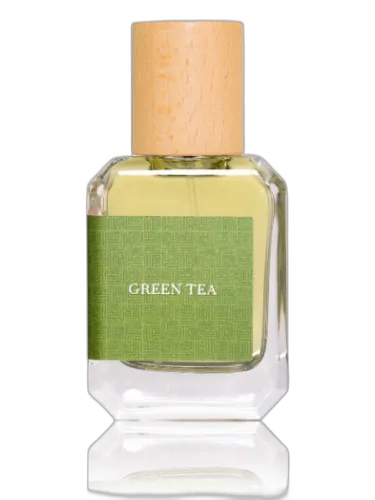
Proad
Green Tea Proad
Shared heart notes: jasmine
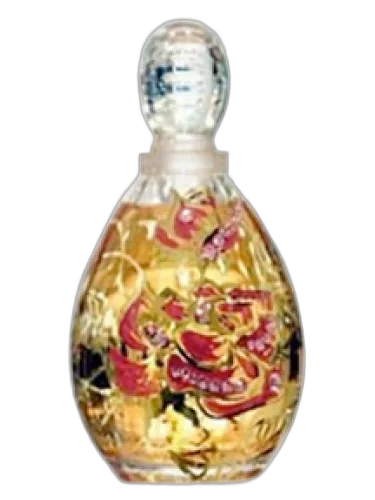
M. Micallef
English Garden M. Micallef
Shared heart notes: jasmine, rose
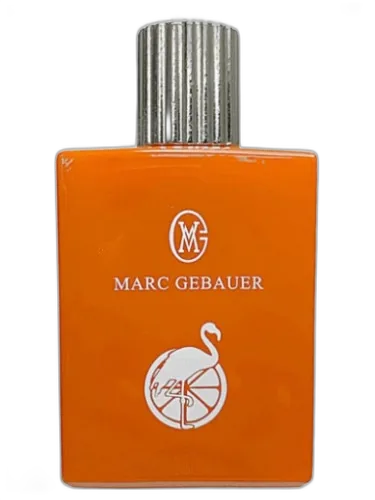
Marc Gebauer
Orange Flamingo Marc Gebauer
Shared heart notes: jasmine, rose

Jardin de France
Violette Jardin De France
Shared top notes: violet