
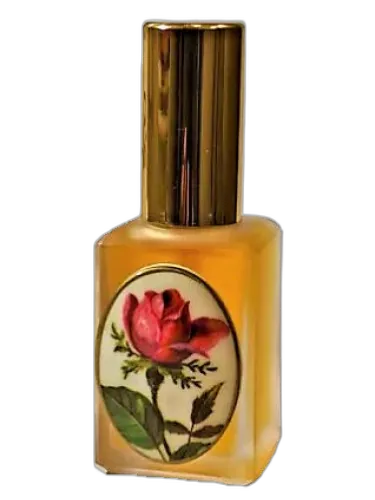

Solo Dzintars
At a glance
Is Solo Dzintars worth trying?
Solo by Dzintars is a Oriental Floral fragrance for women and men.
- Best match
- Evening, Special Occasion wear in Fall, Winter
- Performance feel
- Very Good longevity with Strong sillage
- Signature profile
- woody, rose, earthy with Damask Rose, Peach, Freesia
The first impression
Solo by Dzintars is a Oriental Floral fragrance for women and men. Solo was launched in 1979. Solo was created by Bronislava Schwarzman, Antonina Vitkovskaya, Victoria Ryabko and Liesma Oše (Prūse). Top notes are Damask Rose, Peach and Freesia; middle notes are Ylang Ylang, Sandalwood and Freesia; base notes are Vetiver, Patchouli, Cedar and Musk.
What shapes the scent
The perfumer behind it
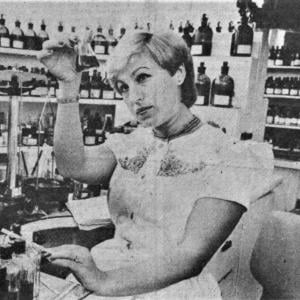
Antonina Vitkovskaya
Antonina Vitkovskaya was a prominent Soviet and Latvian perfumer, best known for her long tenure at the Dzintars perfume factory in Riga. Her olfactory style balanced bold, floral compositions with subtle woody and amber undertones, creating accessible yet sophisticated fragrances. She created numerous iconic Dzintars scents, including Allegro (1981) and Briga (1982), which became beloved staples in Eastern Europe.
Notes pyramid
Top Notes
First impression · 15-30 min
 Damask Rose
 Peach
Peach
 Freesia
Heart Notes
Core character · 2-4 hours
 Ylang Ylang
 Sandalwood
Freesia
Sandalwood
Freesia
Base Notes
Lasting impression · 4+ hours
 Vetiver
 Patchouli
 Cedar
Cedar
 Musk
Musk
The mood it creates
The Lover Archetype: Portrait of Solo Dzintars
Essence
To wear Solo Dzintars is to embrace an aura of magnetic allure, a fragrance that speaks of deep sensuality and quiet confidence. The person who chooses this scent is not one to blend into the background-they are drawn to the richness of life, to its textures, flavors, and pleasures. They are, at their core, an embodiment of the Lover archetype, driven by passion, beauty, and the pursuit of meaningful connection.
Philosophy & Values
For them, life is not merely to be lived but to be felt. They reject superficiality, preferring relationships that crack open the soul rather than those that skim the surface. Their philosophy is one of presence-they believe in savoring the moment, in the alchemy of touch, taste, and emotion.
Yet this intensity comes with a shadow. Their hunger for beauty can slip into hedonism, their love of pleasure into indulgence. They may struggle with restlessness, always chasing the next intoxicating experience, fearing that stagnation is a kind of death. At their worst, they can become fickle, abandoning commitments when the initial spark fades, mistaking novelty for depth.
Relationships
In love, they are both generous and demanding. They give freely-affection, attention, devotion-but they also expect passion in return. Routine is their enemy; they thrive on spontaneity, on the thrill of rediscovery. Their partners are often drawn in by their warmth, only to later grapple with their need for constant emotional and sensory stimulation.
Friendships, too, are intense. They do not have many acquaintances, but those they hold close know them in ways few others do. They are the confidant who listens with rapt attention, the one who remembers the exact wine you loved five years ago. But they can also withdraw when they feel a connection has grown stale, leaving others bewildered by their sudden distance.
Shadow
The Lover’s greatest strength-their capacity for deep feeling-is also their greatest vulnerability. When unbalanced, their passion can turn possessive, their idealism into disillusionment. They may resent those who cannot match their intensity, or they may lose themselves in the pursuit of an impossible ideal-always searching for the perfect love, the perfect moment, the perfect life.
Yet even in their flaws, there is something compelling. They are not afraid of desire, of hunger, of the raw edges of human emotion. They would rather burn brightly than fade into mediocrity.
Conclusion
To know them is to know someone who refuses to live half-heartedly. They are the one who lingers over a last kiss, who finds poetry in the mundane, who believes-despite all evidence-in the transformative power of love. Their life is not without its struggles, but it is never dull. And in the end, that is how they would have it: a life drenched in feeling, in beauty, in the bittersweet ache of being truly alive.
If you like this, try these
Fragrances with a comparable profile - shared accords, notes, and character.
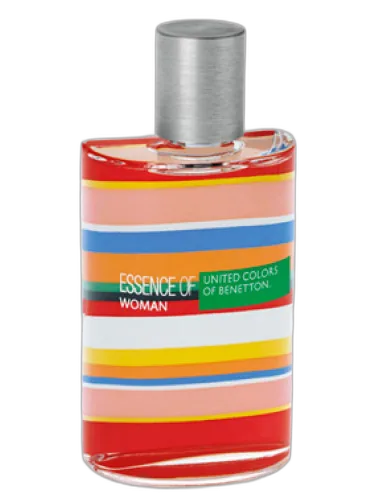
Benetton
Essence Of United Colors Of Benetton Woman Benetton
Shared top notes: peach

Tessa Williams
Earth Tessa Williams
Shared heart notes: sandalwood
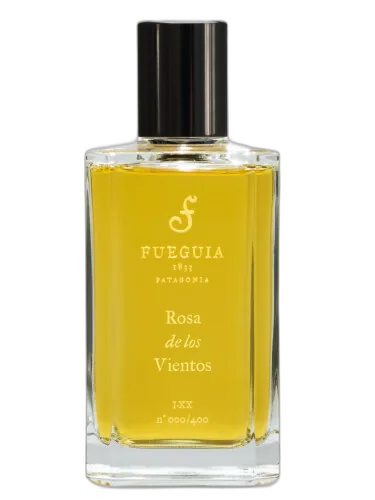
Fueguia 1833
Rosa De Los Vientos Fueguia 1833
Shared top notes: damask rose

Rihanna
Crush Rihanna
Shared base notes: cedar, musk, patchouli
Cacharel
Noa L'eau De Parfum Cacharel
Shared top notes: freesia, peach