


Rose Tubereuse E. Coudray
At a glance
Is Rose Tubereuse E. Coudray worth trying?
Rose Tubereuse by E.
- Best match
- Evening, Special Occasion wear in Spring
- Performance feel
- Very Good longevity with Strong sillage
- Signature profile
- warm spicy, rose, aromatic with Clove, Rhubarb, Guava
The first impression
Rose Tubereuse by E. Coudray is a Oriental Floral fragrance for women. Rose Tubereuse was launched in 2016. The nose behind this fragrance is Cécile Zarokian. Top notes are Clove, Rhubarb, Guava, Bergamot and Tangerine; middle notes are Bulgarian Rose, Geranium, Tuberose, Ylang-Ylang, Jasmine and Orange Blossom; base notes are Patchouli, Benzoin, Sandalwood, Musk, Vanilla and Tonka Bean.
What shapes the scent
The perfumer behind it

Cécile Zarokian
Cécile Zarokian is a perfumer who has created numerous fragrances for Amouage. Her works include Epic 56 Woman Amouage, Leather Sadah Amouage, Material Amouage, and Opus Xiii - Silver Oud Amouage. She also crafted Opus Xiv - Royal Tobacco Amouage, Oud Ulya Amouage, Outlands Amouage, and Rose Aqor Amouage. Her portfolio showcases a range of luxurious and complex compositions.
Notes pyramid
Top Notes
First impression · 15-30 min
 Clove
Clove
 Rhubarb
 Guava
Guava
 Bergamot
 Tangerine
Heart Notes
Core character · 2-4 hours
Bulgarian Rose
 Geranium
 Tuberose
 Ylang-Ylang
 Jasmine
 Orange Blossom
Base Notes
Lasting impression · 4+ hours
 Patchouli
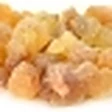 Benzoin
 Sandalwood
 Musk
Musk
 Vanilla
 Tonka Bean
The mood it creates
The Lover Archetype: Portrait of Rose Tubereuse E. Coudray
Essence
The person who cherishes Rose Tubereuse by E. Coudray is most closely aligned with The Lover archetype-an embodiment of passion, sensuality, and aesthetic devotion. This fragrance, with its intoxicating blend of velvety rose and narcotic tuberose, speaks to someone who seeks beauty in all forms, who thrives on deep emotional connections, and who views life as an experience to be savored rather than conquered. The Lover is not merely romantic in the conventional sense; they are drawn to intensity, whether in art, relationships, or the pleasures of the senses.
Yet, like all archetypes, The Lover has a shadow. When unbalanced, they may slip into indulgence, vanity, or an over-reliance on external validation. Their pursuit of beauty can become a prison if they mistake the aesthetic for the essential.
Style & Aesthetic
They structure their days with a blend of discipline and hedonism. Mornings might begin with meditation or journaling, evenings with rich food, wine, and conversation that stretches into the night. They are drawn to careers that allow for creativity-art, design, writing, or any field where aesthetics and emotion intertwine.
Yet their love of pleasure can tip into excess. They may struggle with procrastination, losing hours to daydreams or sensory delights while practical matters languish. Their challenge is to temper their appetite for beauty with the grit required to sustain it-to understand that even roses need thorns to survive.
Philosophy & Values
They believe life should be felt deeply, not merely endured. Their philosophy is one of immersion-love should be all-consuming, work should be meaningful, and even suffering should be transformative. They reject the shallow pragmatism of modern life, favoring instead a worldview where passion and principle guide decisions.
Yet this very idealism can be their undoing. When reality fails to match their vision, they may retreat into melancholy or become overly critical of those who do not share their intensity. Their shadow whispers that if something is not beautiful, it is worthless-a dangerous fallacy that can blind them to the raw, unpolished truths of existence.
Relationships
In love, they are both generous and demanding. They give freely-affection, attention, devotion-but they also expect reciprocity in depth. Superficial connections frustrate them; they crave partners and friends who can match their emotional and intellectual fervor. Their relationships are often marked by a certain theatricality-grand gestures, poetic declarations, moments of sublime connection.
But here, too, the shadow lurks. Their need for intensity can become possessive or melodramatic. They may mistake turbulence for passion, conflating emotional storms with true intimacy. When disappointed, they risk either clinging too tightly or withdrawing entirely, their idealism curdling into cynicism.
Shadow
At their best, they are a force of enchantment-someone who reminds others that life is not just to be lived but to be felt, cherished, and exalted. Their presence elevates the mundane into the poetic.
At their worst, they become prisoners of their own desires, mistaking the intoxicating for the true, the beautiful for the real. Their journey is one of balance-learning to love the world without needing it to conform to their vision, to embrace both the rose and the thorn.
In the end, the wearer of Rose Tubereuse is neither purely dreamer nor purely sensualist. They are a seeker-one who understands that to love deeply is to risk deeply, and that the most intoxicating fragrances are often those that linger just before they fade.
Conclusion
This person moves through the world with an air of quiet magnetism. They are not loud, but they are noticed-whether by the way they dress, the way they speak, or the way they linger over a glass of wine as if it were a sacred ritual. Their tastes are refined but never ostentatious; they prefer the subtle luxury of a well-tailored garment over flashy logos, the depth of a handwritten letter over the fleeting dopamine of social media.
Their home is a sanctuary of textures and scents: velvet drapes, aged leather books, fresh flowers always in bloom. They are drawn to art that evokes emotion-Baroque music, Pre-Raphaelite paintings, the poetry of Rilke. For them, beauty is not decoration but a necessity, a way of aligning the outer world with their inner richness.
If you like this, try these
Fragrances with a comparable profile - shared accords, notes, and character.
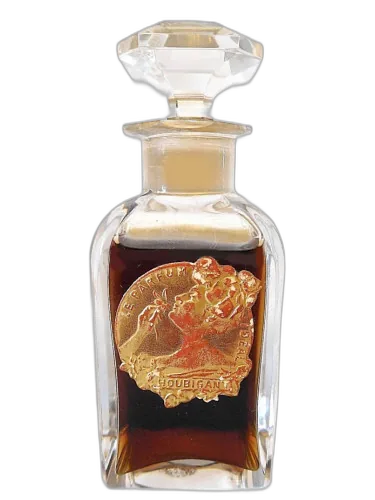
Houbigant
Le Parfum Ideal Houbigant
Shared heart notes: bulgarian rose, jasmine, orange blossom

Carolina Herrera
Good Girl Velvet Fatale Carolina Herrera
Shared top notes: bergamot
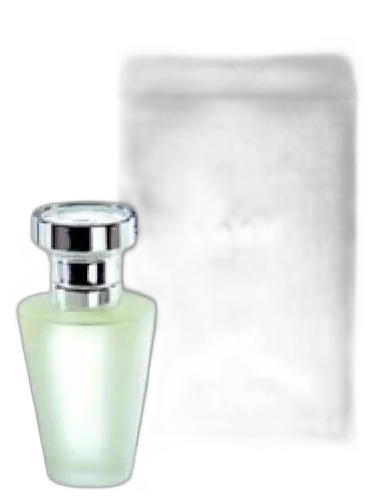
Germaine Monteil
Soon Germaine Monteil
Shared top notes: bergamot
True Diamond Perfume
Perfect Match True Diamond Perfume
Shared top notes: bergamot
Alain Delon
Lyra Alain Delon
Shared top notes: bergamot