


Prends Garde A Toi Egofacto
At a glance
Is Prends Garde A Toi Egofacto worth trying?
Prends Garde a Toi by Egofacto is a Floral Green fragrance for women.
- Best match
- Casual wear in Spring
- Performance feel
- Moderate longevity with Moderate sillage
- Signature profile
- green, white floral, aromatic with Nettle, Lily, Green Notes
The first impression
Prends Garde a Toi by Egofacto is a Floral Green fragrance for women. Prends Garde a Toi was launched in 2009. Prends Garde a Toi was created by Jean Guichard, Aurélien Guichard and Pierre Aulas.
What shapes the scent
The perfumer behind it

Aurélien Guichard
Aurélien Guichard is a French perfumer and the creative director of Givaudan's prestigious Fragrance Division, known for his deep expertise in natural ingredients. His style balances modern minimalism with rich, textured accords, often highlighting woody, aromatic, or green notes with unexpected contrasts. He created the iconic Bond No 9 Chinatown, a bold floral gourmand, and the crisp, verdant Azzaro Aqua Verde, demonstrating his range from opulent to fresh. Guichard's work has helped define contemporary luxury perfumery through its refined yet accessible character.
Notes pyramid
All Notes
Complete scent profile
 Nettle
 Lily
Lily
 Green Notes
 Sand
Sand
 Lily-of-the-Valley
 Hyacinth
 Jasmine
 Woodsy Notes
The mood it creates
The Lover Archetype: Portrait of Prends Garde A Toi Egofacto
Essence
The one who wears Prends Garde A Toi by Egofacto is an Alchemist-an archetype of transformation, depth, and seduction. They are drawn to the scent’s duality: its smoky, leathery darkness and its unexpected sweetness, like a secret whispered in the shadows. The Alchemist seeks to transmute the mundane into the extraordinary, to find meaning in the interplay of opposites. They are not content with surfaces; they crave the hidden, the symbolic, the intoxicating.
To encounter them is to step into a world where every detail is charged with meaning. They do not merely wear a fragrance-they embody it. Prends Garde A Toi is their armor and their confession: a warning and an invitation. They are the Alchemist, forever turning lead into gold, forever dancing on the edge of revelation and ruin.
Relationships
They do not love lightly. Relationships are experiments in chemistry-some burn fast and bright, others simmer for years. They are drawn to those who mirror their own complexity: the poet with a sharp tongue, the scientist who reads tarot, the musician who never plays the same song twice. Their presence is magnetic but not always warm; they can be elusive, retreating into their own mind when the world feels too crude.
Yet their shadow lurks in this intensity. They may mistake obsession for love, conflate mystery with depth. They fear being known too completely, lest the magic dissolve. Some find them intoxicating; others find them exhausting.
Shadow
The Alchemist’s flaw is their capacity for self-deception. They can become so enamored with their own myth that they lose touch with reality. The scent they wear-dark, alluring, dangerous-can become a mask, a way to avoid the simpler, messier truths of life. They may romanticize suffering, mistake manipulation for charm, or retreat into solitude when connection demands vulnerability.
But when balanced, they are neither saint nor trickster. They are simply someone who understands that life is richer when lived with intention, when every gesture carries weight.
Conclusion
Their tastes are deliberate, almost ritualistic. They prefer dimly lit spaces-old libraries, underground jazz bars, candlelit apartments-where the air is thick with history and possibility. Their wardrobe leans toward the timeless: tailored black, deep burgundy, the occasional flash of gold. They collect objects with stories-antique pocket watches, first-edition books, a single tarot card kept in a drawer.
Philosophy is not an abstraction for them but a lived experience. They believe in the power of symbols, in the idea that every choice-what to wear, what to drink, whom to love-is an act of self-creation. They are drawn to thinkers like Jung and Nietzsche, not for dogma, but for the way they dance between reason and instinct.
If you like this, try these
Fragrances with a comparable profile - shared accords, notes, and character.
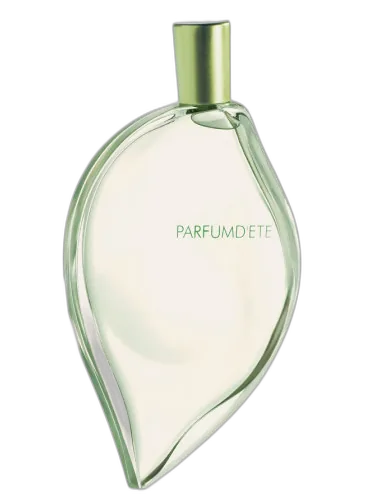
Kenzo
Parfum D'ete 2002 Kenzo
Shared top notes: green notes, lily-of-the-valley
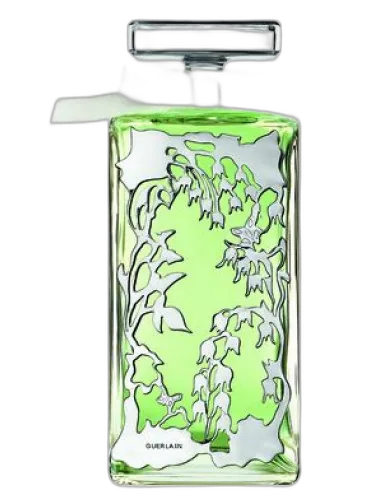
Guerlain
Muguet 2016 Guerlain
Shared top notes: green notes, jasmine, lily-of-the-valley
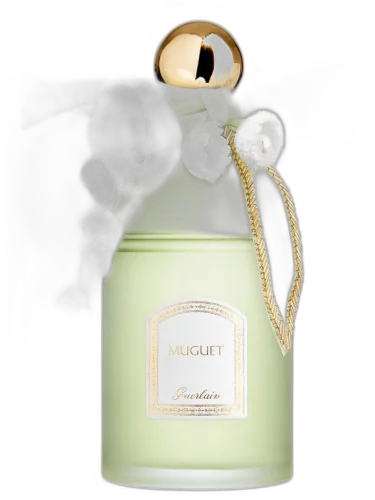
Guerlain
Muguet 2017 Guerlain
Shared top notes: green notes, jasmine, lily-of-the-valley
Новая Заря (The New Dawn)
Желаю Вам (i Wish You) Новая Заря (the New Dawn)
Shared top notes: green notes, hyacinth, jasmine
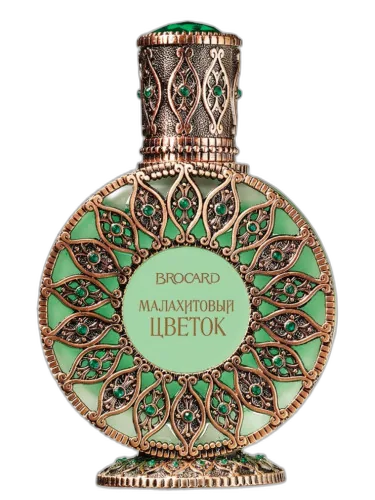
Brocard
Malachite Flower (малахитовый Цветок) Brocard
Shared top notes: green notes, hyacinth, lily-of-the-valley