


Light Of Jerusalem Ein Gedi
At a glance
Is Light Of Jerusalem Ein Gedi worth trying?
Light of Jerusalem by Ein Gedi is a fragrance for women.
- Best match
- Evening wear in Fall
- Performance feel
- Very Good longevity with Moderate sillage
- Signature profile
- woody, warm spicy, amber with Palisander Rosewood, Lily-of-the-Valley, Incense
The first impression
Light of Jerusalem by Ein Gedi is a fragrance for women. Top notes are Palisander Rosewood and Lily-of-the-Valley; middle notes are Incense, Myrrh, Acácia, Lilac, Cinnamon, Violet and Mint; base notes are White Woods, Tobacco, elemi, Vanilla, Immortelle, Cloves, Sandalwood, Pistachio and Musk.
What shapes the scent
The perfumer behind it

Yakov Feygin
Yakov Feygin crafts fragrances with a focus on spiritual and historical resonance, as seen in Light Of Jerusalem. His work often reflects deep cultural connections and a reverence for tradition. The compositions balance aromatic depth with a sense of timeless elegance. Feygin's perfumes invite wearers to experience stories through scent.
Notes pyramid
Top Notes
First impression · 15-30 min
 Palisander Rosewood
 Lily-of-the-Valley
Heart Notes
Core character · 2-4 hours
 Incense
 Myrrh
Myrrh
 Acácia
 Lilac
Lilac
 Cinnamon
 Violet
 Mint
Mint
Base Notes
Lasting impression · 4+ hours
 White Woods
 Tobacco
elemi
Tobacco
elemi
 Vanilla
 Immortelle
 Cloves
 Sandalwood
 Pistachio
 Musk
Musk
The mood it creates
The Wanderer Archetype: Portrait of Light Of Jerusalem Ein Gedi
Essence
The person who cherishes Light of Jerusalem Ein Gedi is most closely aligned with the Seeker archetype-a soul in perpetual motion, drawn to the liminal spaces between the sacred and the mundane. This fragrance, with its blend of citrus, spice, and woody warmth, evokes the arid hills of the Judean desert, where solitude and revelation intertwine. The Seeker is not content with the well-trodden path; they crave the scent of mystery, the whisper of something just beyond reach.
Style & Aesthetic
Their style is understated yet intentional, favoring natural fabrics, earth tones, and pieces that carry a sense of history. A well-worn leather satchel, a silver ring with an obscure symbol, a linen shirt that breathes with the wind-these are their signatures. They prefer craftsmanship over trends, objects that tell stories rather than flaunt status.
Their home, if they have one, is a sanctuary of curiosities: shelves lined with books on mysticism and botany, a small collection of desert stones, a single candle burning at odd hours. They are not minimalists, but neither are they hoarders; every object must have meaning, must whisper of journeys taken or yet to come.
Philosophy & Values
Their philosophy is one of restless inquiry. They do not accept dogma easily, nor do they settle for superficial answers. Truth, for them, is not a fixed point but a shifting horizon-something to be pursued, never fully grasped. They value independence, authenticity, and the courage to question. Yet, this pursuit is not merely intellectual; it is sensual, embodied in the way they move through the world, attuned to textures, scents, and the quiet hum of hidden meanings.
They are drawn to paradox-the idea that light exists because of darkness, that wisdom is born from doubt. Their spirituality, if they claim any, is fluid, borrowing from ancient traditions while resisting rigid doctrine. They might meditate under the open sky, read Sufi poetry, or lose themselves in the labyrinth of a foreign city, always searching for the moment when the ordinary becomes transcendent.
Relationships
They are not the type to surround themselves with crowds. Their friendships are few but deep, forged in moments of shared intensity-long conversations under the stars, silent walks through unfamiliar streets. They attract those who sense their quiet magnetism, who are drawn to their ability to listen with their whole being.
Romantically, they are elusive. They crave connection but fear confinement. Their love is like their fragrance-complex, layered, impossible to pin down. They may leave lovers bewildered, haunted by the sense that they were never fully known. Yet, when they choose to stay, it is with a fierce loyalty, a recognition that some souls are worth the risk of stillness.
Shadow
The Seeker’s greatest strength is also their flaw: their refusal to settle. In their quest for the unseen, they may become unmoored, drifting from place to place, idea to idea, never allowing roots to take hold. Their independence can curdle into isolation; their skepticism into cynicism.
At their worst, they romanticize solitude, mistaking restlessness for enlightenment. They may grow impatient with those who do not share their hunger for the unknown, dismissing them as dull or complacent. Their shadow is the Wanderer Who Never Arrives-always chasing the next revelation, never pausing to integrate what they have already found.
Conclusion
The true challenge for this person is not in the seeking itself, but in learning when to stop-when to let the fragrance of Jerusalem linger on their skin without chasing its source. Wisdom, for them, lies in recognizing that some truths are not found in distant lands, but in the quiet acceptance of the present moment.
They are at their best when they allow themselves to be both pilgrim and homecoming, when they realize that the light they seek is not only in Jerusalem, but in the way the sun falls across their own hands at dusk.
If you like this, try these
Fragrances with a comparable profile - shared accords, notes, and character.

Ein Gedi
Essence Of Ein Gedi Ein Gedi
Shared top notes: lily-of-the-valley, palisander rosewood

G Parfums
Rose Scandal G Parfums
Shared top notes: lily-of-the-valley

Dog Generation
Oh My Cat Dog Generation
Shared top notes: palisander rosewood
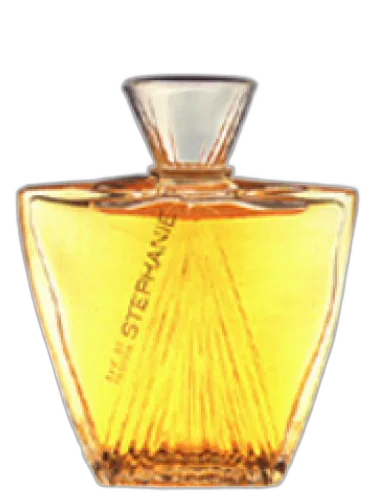
Stephanie de Monaco
Stephanie Stephanie De Monaco
Shared top notes: palisander rosewood

Aether Arts Perfume
Electrum Aether Arts Perfume
Shared top notes: palisander rosewood