
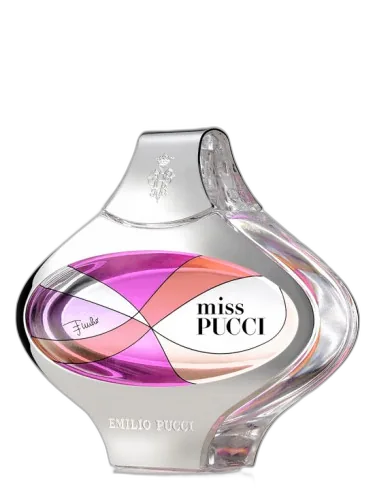

Miss Pucci Emilio Pucci
At a glance
Is Miss Pucci Emilio Pucci worth trying?
Miss Pucci by Emilio Pucci is a Floral Woody Musk fragrance for women.
- Best match
- Casual, Office wear in Spring, Summer
- Performance feel
- Moderate longevity with Moderate sillage
- Signature profile
- citrus, white floral, floral with Citruses, Magnolia, Sicilian Lemon
The first impression
Miss Pucci by Emilio Pucci is a Floral Woody Musk fragrance for women. Miss Pucci was launched in 2010. Miss Pucci was created by François Demachy, Christine Nagel and Benoist Lapouza. Top notes are Citruses, Magnolia and Sicilian Lemon; middle notes are African Orange Flower, Rose, Jasmine and Ylang-Ylang; base notes are Musk, Virginia Cedar and Iris.
What shapes the scent
The perfumer behind it

Benoist Lapouza
Benoist Lapouza has contributed to the ALYSONOLDOINI collection, crafting fragrances such as Black Violet, Crystal Oud, Cuir D'encens, Marine Vodka, Marsiglia Musk, Oranger Moi, Rhum D'hiver, and Rose Profond. His work spans a variety of olfactory families, from rich leathers and ouds to fresh marine and citrus notes. Lapouza's style is characterized by a refined balance of traditional and contemporary influences.
Notes pyramid
Top Notes
First impression · 15-30 min
 Citruses
 Magnolia
 Sicilian Lemon
Heart Notes
Core character · 2-4 hours
 African Orange Flower
 Rose
Rose
 Jasmine
 Ylang-Ylang
Base Notes
Lasting impression · 4+ hours
 Musk
Virginia Cedar
Musk
Virginia Cedar
 Iris
Iris
The mood it creates
The Lover Archetype: Portrait of Miss Pucci Emilio Pucci
Essence
To wear Miss Pucci by Emilio Pucci is to embrace a fragrance that is bold, playful, and unapologetically sensual-a whirl of citrus, jasmine, and vanilla, wrapped in the spirit of Italian glamour. The woman who chooses this scent is not one to fade into the background; she is a force of magnetism, a modern-day Enchantress, the archetype that most defines her.
Shadow
But every archetype has its shadow, and hers is the danger of superficiality. The Enchantress can become so enamored with her own allure that she risks mistaking admiration for fulfillment. There are moments when she tires of the performance, when the laughter at the party rings hollow, and she wonders who would stay if the lights dimmed and the music stopped.
Her love of freedom can tip into restlessness-commitment feels like confinement, and she may leave lovers bewildered in her wake, wondering why she vanished just as things grew serious. She is not cruel, but she is elusive, and sometimes even she does not know what she truly seeks.
There is also the temptation of vanity. The mirror is both her confidant and her critic. She fears losing her radiance, the power it grants her, and this fear can make her cling to youth with a desperation she would never admit.
Yet it is precisely this tension that makes her compelling. The Enchantress is not a static figure; she is in constant motion, evolving. Some days, she is the life of the party; others, she retreats into solitude, reading Rilke by candlelight, questioning whether charm is enough.
She is learning-slowly-that true enchantment lies not just in being seen, but in seeing others deeply in return. When she allows herself vulnerability, when she lets the mask slip, she discovers a richer kind of magic: one that does not fade with time.
The woman who wears Miss Pucci is a paradox-both ephemeral and eternal, a fleeting dream and an indelible presence. She is the Enchantress, not because she casts spells, but because she reminds us that life, in all its chaos, can still be dazzling.
Conclusion
She moves through life with the confidence of someone who knows her power. The Enchantress is not merely beautiful-she is bewitching, drawing others in with an effortless charm. Her style is vibrant, favoring bold prints, flowing silks, and colors that mirror the Mediterranean-turquoise, coral, and gold. She does not follow trends; she sets them, curating a wardrobe that is as much a performance as it is self-expression.
Her philosophy is one of pleasure and presence. She believes life should be lived with intensity, not deferred to some distant future. "Why wait for joy?" she might ask, sipping an Aperol Spritz on a sunlit terrace. She values freedom, spontaneity, and the art of seduction-not merely in romance, but in conversation, in friendship, in the way she engages with the world.
Her relationships are electric. She attracts admirers easily, but her affections are not cheaply given. She seeks partners who match her wit and passion, who can spar with her intellectually as much as they can indulge in hedonistic delights. Friends adore her for her vivacity, her ability to turn an ordinary evening into something unforgettable. Yet she is no mere social butterfly-she has depth, a sharp mind that relishes philosophy, art, and the occasional midnight debate.
If you like this, try these
Fragrances with a comparable profile - shared accords, notes, and character.
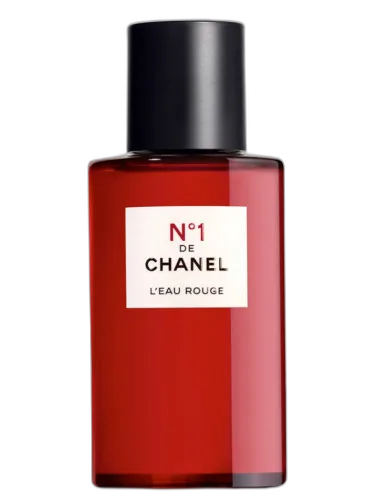
Chanel
N°1 De Chanel L'eau Rouge Chanel
Shared top notes: citruses
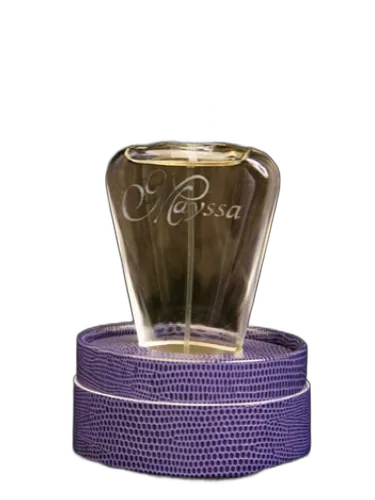
Mayssa
Mayssa Mayssa
Shared top notes: citruses
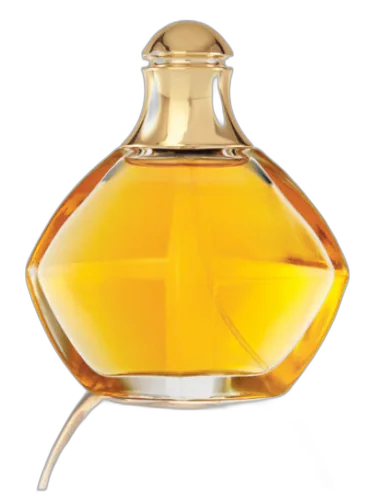
Avon
Aspire Avon
Shared heart notes: african orange flower, jasmine, rose
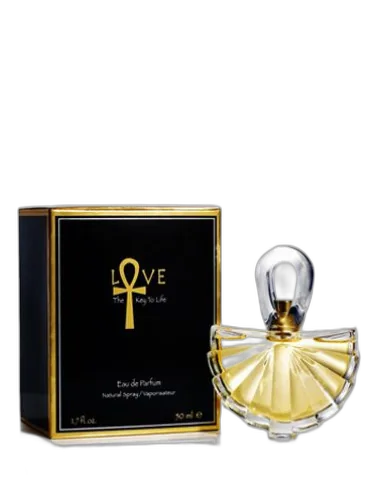
Love The Key to Life
Love The Key To Life Love The Key To Life
Shared heart notes: african orange flower, jasmine, rose
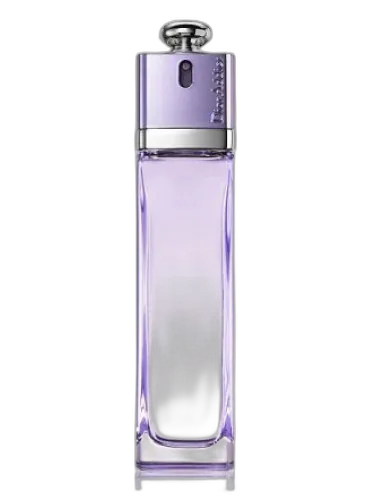
Dior
Addict To Life Dior
Shared heart notes: jasmine, rose