


Vivara (1965) Emilio Pucci
At a glance
Is Vivara (1965) Emilio Pucci worth trying?
Vivara (1965) by Emilio Pucci is a Chypre fragrance for women.
- Best match
- Evening, Special Occasion wear in Spring
- Performance feel
- Good longevity with Moderate sillage
- Signature profile
- green, amber, woody with Aldehydes, Green Notes, Galbanum
The first impression
Vivara (1965) by Emilio Pucci is a Chypre fragrance for women. Vivara (1965) was launched in 1965. The nose behind this fragrance is Michel Hy. Top notes are Aldehydes, Green Notes, Galbanum, Peach, Bergamot and Spices; middle notes are Carnation, Jasmine, Ylang-Ylang, Rose and Lily-of-the-Valley; base notes are Leather, oak moss, Benzoin, Amber, Olibanum, Vetiver, Sandalwood and Patchouli.
What shapes the scent
The perfumer behind it

Michel Hy
Michel Hy was a French perfumer active in the mid-20th century, known for his contributions to classic fragrances. He created Vivara for Emilio Pucci in 1965 and Farouche for Nina Ricci, as well as Mademoiselle Ricci in 1967. Hy also composed Calandre for Rabanne, a pioneering aldehyde floral, and Y for Yves Saint Laurent. His work is characterized by elegant, timeless structures that defined an era of perfumery.
Notes pyramid
Top Notes
First impression · 15-30 min
 Aldehydes
 Green Notes
 Galbanum
 Peach
Peach
 Bergamot
Spices
Bergamot
Spices
Heart Notes
Core character · 2-4 hours
 Carnation
 Jasmine
 Ylang-Ylang
 Rose
Rose
 Lily-of-the-Valley
Base Notes
Lasting impression · 4+ hours
 Leather
oak moss
Leather
oak moss
 Benzoin
 Amber
Olibanum
Amber
Olibanum
 Vetiver
 Sandalwood
 Patchouli
The mood it creates
The Explorer Archetype: Portrait of Vivara (1965) Emilio Pucci
Essence
The Explorer is the archetype of adventure, discovery, and the thrill of the unknown. They are driven by an insatiable curiosity to see what lies beyond the next horizon, to experience the world in all its vibrant, untamed glory. Vivara (1965) is the scent of this spirit, a bold and complex chypre that captures the essence of a Mediterranean island paradise. The sharp, green burst of galbanum and aldehydes is the first step onto a sun-drenched shore, while the lush floral heart and the earthy, leathery base speak of hidden coves and ancient ruins waiting to be explored.
Style & Aesthetic
The Explorer’s style is vibrant, eclectic, and unapologetically bold. They are drawn to color, pattern, and texture, collecting pieces from their travels like trophies. Their wardrobe is a riot of Pucci prints, flowing silks, and handcrafted leather sandals. They favor clothing that is both practical for adventure and expressive of their free spirit. Their aesthetic is one of joyful maximalism, where every piece tells a story of a place visited or a culture encountered. They are the person who brings back a handwoven rug from Morocco and wears it as a shawl.
Philosophy & Values
The Explorer values freedom, experience, and authenticity above all. They believe that life is a journey to be lived fully, not a destination to be reached. Their philosophy is one of active engagement with the world: they seek to understand different cultures, landscapes, and ways of being. They are open-minded and adaptable, seeing every challenge as an opportunity for growth. They are driven by a deep-seated belief that the greatest truths are found not in books but in the lived experience of the world.
Relationships
The Explorer forms intense, passionate connections but struggles with commitment. They are drawn to people who are equally adventurous and open to new experiences. Their friendships are forged on shared journeys and late-night conversations in foreign cities. In romance, they seek a partner who can keep up with their restless spirit, someone who is as excited by a spontaneous road trip as they are. They can be unreliable, often prioritizing the next adventure over domestic stability, but they offer a love that is exhilarating and expansive.
Lifestyle
The Explorer’s life is a constant state of motion. Their home is a base camp, filled with souvenirs and maps, but they are rarely there for long. Their days are spent planning the next trip, learning a new language, or immersing themselves in a different culture. They are drawn to the outdoors, to hiking, sailing, and exploring ancient cities. Their rituals are those of the traveler: the careful packing of a bag, the ritual of a local market, the joy of discovering a hidden café. They live for the moment of arrival in a new place.
Shadow
The shadow of the Explorer is the restlessness that prevents them from ever truly arriving. Their constant search for the next thrill can lead to a lack of depth in their relationships and a failure to appreciate the beauty of the present moment. They can be rootless and irresponsible, leaving a trail of unfinished projects and broken promises. The fragrance’s powerful, complex nature hints at this danger: a sensory overload that can be overwhelming, a journey that never finds its end.
Conclusion
Vivara (1965) is the fragrance of the Explorer. It is a bold, beautiful, and complex scent that captures the essence of adventure and discovery. To wear it is to declare oneself a citizen of the world, to embrace the unknown with open arms and a fearless heart. It is a fragrance for those who believe that the greatest journey is the one that never ends.
If you like this, try these
Fragrances with a comparable profile - shared accords, notes, and character.
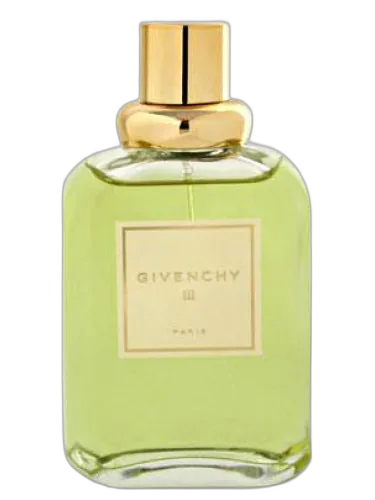
Givenchy
Givenchy Iii Givenchy
Shared top notes: aldehydes, bergamot, galbanum

Kanebo
Hf Kanebo
Shared top notes: aldehydes, bergamot, green notes

Krizia
Krazy Krizia Krizia
Shared top notes: aldehydes, bergamot, galbanum

Coty
Complice Coty
Shared top notes: aldehydes, bergamot, peach

Nina Ricci
Farouche Nina Ricci
Shared top notes: aldehydes, bergamot, galbanum