


Dear Empathy Equality. Fragrances
At a glance
Is Dear Empathy Equality. Fragrances worth trying?
Dear Empathy by Equality.
- Best match
- Casual wear in Spring
- Performance feel
- Good longevity with Moderate sillage
- Signature profile
- aromatic, woody, fresh spicy with Geranium, Chamomile, Lavender
The first impression
Dear Empathy by Equality. Fragrances is a Floral fragrance for women and men. Dear Empathy was launched in 2021. The nose behind this fragrance is Alexandre Illan. Top notes are Geranium, Chamomile, Lavender and Grass; middle notes are elemi, Bulgarian Rose and Osmanthus; base notes are Amyris, Sandalowood, Atlas Cedar and Labdanum.
What shapes the scent
The perfumer behind it
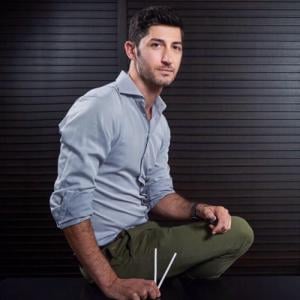
Alexandre Illan
Alexandre Illan is a French perfumer known for his work with major fragrance houses and independent brands. His style balances modern elegance with playful, sensual accords, often featuring floral, gourmand, or woody elements. Notable creations include the bold, fruity-floral Osez-moi! for Chantal Thomass and the sophisticated Vaniteese for Dita Von Teese.
Notes pyramid
Top Notes
First impression · 15-30 min
 Geranium
 Chamomile
 Lavender
 Grass
Grass
Heart Notes
Core character · 2-4 hours
 elemi
Bulgarian Rose
elemi
Bulgarian Rose
 Osmanthus
Base Notes
Lasting impression · 4+ hours
 Amyris
Sandalowood
Amyris
Sandalowood
 Atlas Cedar
 Labdanum
The mood it creates
The Caretaker Archetype: Portrait of Dear Empathy Equality. Fragrances
Essence
A person who cherishes Dear Empathy Equality is drawn to fragrances that evoke warmth, connection, and harmony-notes of soft vanilla, tender florals, and a whisper of spice, blending into something comforting yet profound. Their soul resonates with the Caretaker archetype, the one who nurtures, heals, and binds wounds. They are the quiet force that holds others together, the listener in dimly lit rooms, the hand that steadies trembling shoulders.
Yet, their empathy is not mere sentiment-it is a philosophy. They believe in the radical equality of human experience, in the idea that no suffering is too small to acknowledge, no joy too fleeting to celebrate. Their life is an ongoing act of emotional labor, a balancing act between giving and preserving themselves.
Style & Aesthetic
Their aesthetic is understated but intentional-soft fabrics, muted colors, textures that invite touch. They favor simplicity over ostentation, yet every choice carries meaning. A well-worn book, a handcrafted ceramic mug, a scarf gifted by a friend-each object is a vessel of memory and connection.
Their tastes in art, music, and literature lean toward the intimate and the introspective. They are drawn to stories of resilience, to melodies that ache with vulnerability, to paintings that capture the quiet moments between grand gestures. They do not seek the heroic but the human-the flawed, the tender, the unfinished.
Philosophically, they reject rigid hierarchies. Their morality is fluid, shaped by context and compassion rather than dogma. They believe in the power of presence-that simply witnessing another’s pain can be an act of revolution. Yet, this very idealism can become their undoing.
Relationships
In love and friendship, they are the steady flame. Partners confide in them, friends lean on them, strangers find solace in their gaze. They are the one who remembers birthdays, who asks the right questions, who senses unspoken sorrows. Their relationships are deep, but often asymmetrical-they give more than they receive, not out of obligation, but because they cannot fathom doing otherwise.
Yet, this generosity has its shadow. They risk becoming emotional caretakers to the point of self-erasure. They may attract those who take without reciprocating, leaving them depleted. Their greatest fear is not abandonment but invisibility-the dread that if they stop giving, they will cease to matter.
Shadow
The Caretaker’s flaw is not in their kindness, but in their inability to set boundaries. They mistake self-sacrifice for virtue, forgetting that even the deepest well can run dry. Resentment simmers beneath their patience, though they rarely admit it. They may grow bitter when their efforts go unnoticed, yet they cannot bring themselves to demand recognition-for that would make their love transactional.
At worst, they become martyrs, trapped in a cycle of giving until they have nothing left for themselves. Their empathy, once a gift, becomes a prison.
Conclusion
To transcend their shadow, they must learn the art of selfishness-not the cruel kind, but the necessary kind. They must discover that setting boundaries is not betrayal, but self-respect. The most radical act of love they can offer is to love themselves as fiercely as they love others.
When they achieve this balance, they become something rare: a healer who does not lose themselves in the act of healing. Their empathy remains, but it is no longer a burden-it is a choice, freely given and freely withheld. And in that freedom, they find their true strength.
They are not saints. They are human-beautifully, painfully so. And that is enough.
If you like this, try these
Fragrances with a comparable profile - shared accords, notes, and character.
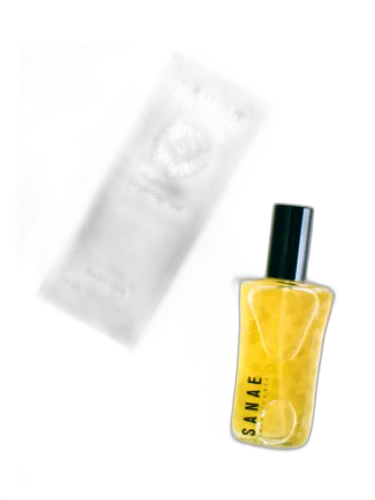
Sanae Intoxicants
Smoking Rose Sanae Intoxicants
Shared top notes: geranium, grass, lavender

Eudora
Pulse Eudora
Shared top notes: lavender

Suzy Larsen Perfumes
Parisian Pink Suzy Larsen Perfumes
Shared top notes: lavender
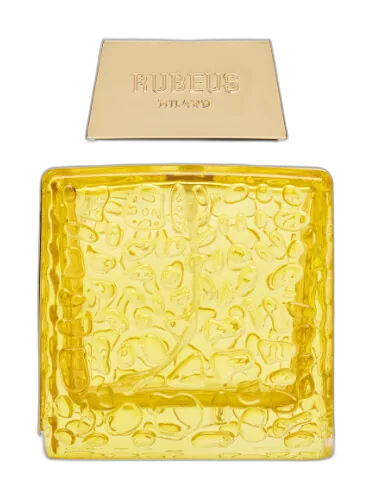
Rubeus
Jaune Rubeus
Shared top notes: geranium, lavender
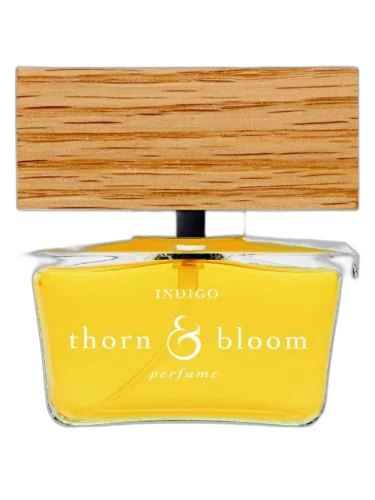
Thorn & Bloom
Indigo Thorn & Bloom
Shared top notes: lavender