
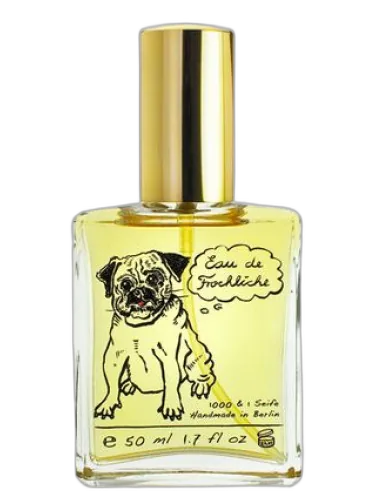

Eau De Froehliche Erik Kormann
At a glance
Is Eau De Froehliche Erik Kormann worth trying?
Eau de Froehliche by Erik Kormann is a fragrance for women and men.
- Best match
- Evening wear in Fall
- Performance feel
- Good longevity with Moderate sillage
- Signature profile
- amber, warm spicy, sweet with Raspberry, Cardamom, Incense
The first impression
Eau de Froehliche by Erik Kormann is a fragrance for women and men. Eau de Froehliche was launched in 2010. Eau de Froehliche was created by Alain Alchenberger, Erik Kormann and Philip Kraft. Top notes are Raspberry and Cardamom; middle notes are Incense, Iris and Tonka Bean; base notes are Tolu Balsam, Vanilla, Patchouli and Palisander Rosewood.
What shapes the scent
The perfumer behind it

Alain Alchenberger
Alain Alchenberger is a French perfumer who has created fragrances for houses like M. Micallef, Ralph Lauren, and Michael Kors. His style often balances classic elegance with modern freshness, as seen in works such as Soleil Passion and Ralph Ralph Lauren. He is known for crafting versatile scents that appeal to a wide audience, from the playful Eau De Froehliche series to the refined Arabesque Perfumes line.
Notes pyramid
Top Notes
First impression · 15-30 min
 Raspberry
 Cardamom
Heart Notes
Core character · 2-4 hours
 Incense
 Iris
Iris
 Tonka Bean
Base Notes
Lasting impression · 4+ hours
 Tolu Balsam
 Vanilla
 Patchouli
 Palisander Rosewood
The mood it creates
The Lover Archetype: Portrait of Eau De Froehliche Erik Kormann
Essence
This person is animated by the spirit of The Jester-a figure who thrives on spontaneity, joy, and the refusal to take life too seriously. The Jester dances at the edges of convention, mocking solemnity while secretly upholding the deeper truth that life must be lived with lightness. The fragrance they adore-Eau De Froehliche Erik Kormann-reflects this essence: playful, effervescent, a little mischievous, yet undeniably magnetic.
Like all archetypes, The Jester has its shadow: a tendency toward superficiality, a fear of depth, and an avoidance of pain through relentless levity. But in its highest expression, this archetype teaches that wisdom often resides in laughter, not in rigid seriousness.
Style & Aesthetic
Their style is a paradox-both curated and carefree. They favor bold colors, unexpected textures, and garments that suggest movement rather than restraint. A silk scarf tossed casually over a vintage leather jacket, a pair of well-worn boots paired with tailored trousers-they dress as if life is a game they are winning by sheer charm.
Their home is similarly alive: eclectic art, mismatched furniture that somehow harmonizes, shelves filled with curiosities from travels they may or may not have taken. They surround themselves with objects that spark delight, not status. Music is essential-jazz that swings, pop that pulses, anything that invites the body to move.
They thrive in motion-impromptu road trips, last-minute flights, conversations with strangers in dimly lit bars. Routine is their enemy; novelty, their oxygen. Careers that demand predictability suffocate them, so they gravitate toward creative fields-writing, performance, design-where rules are meant to be bent.
Yet this very freedom can become its own trap. Without structure, their brilliance scatters. They risk becoming the person who starts everything and finishes nothing, whose potential is always just out of reach.
Philosophy & Values
They believe the greatest sin is boredom, the greatest virtue curiosity. Life, to them, is not a problem to be solved but a dance to be joined. They distrust dogma, preferring the fluidity of experience over rigid ideologies.
Yet beneath their irreverence lies a quiet rebellion against despair. They have seen enough of life’s darkness to know that laughter is not an escape-it is a defiance. Their philosophy is not naive optimism but a conscious choice to seek joy where others see only routine.
Relationships
They are the life of every gathering, the one who remembers birthdays with absurd gifts, who turns a dull evening into an adventure. Friends adore them for their infectious energy, their refusal to let melancholy take root.
But intimacy is their challenge. They flirt effortlessly but hesitate at commitment, fearing that love might become a cage. Their humor, so often their greatest gift, can also be a shield-deflecting sincerity with a joke, avoiding vulnerability with wit. Those who truly know them sense a quiet loneliness beneath the laughter, a fear that if they stop moving, they might disappear.
Shadow
The Jester’s greatest weakness is the refusal to be still. When pain comes-as it must-they mask it with another joke, another distraction. They fear that if they pause, the weight of existence will crush them.
Their charm can curdle into manipulation when they grow bored, leaving wounded hearts in their wake. Their aversion to depth means they may never truly know themselves-or others. The tragedy of The Jester is that in fleeing sorrow, they may also flee the very truths that could set them free.
Conclusion
At their best, they are a beacon of resilience, proving that joy is not frivolous but a radical act of courage. They remind us that life is too short for self-seriousness, that wisdom need not always wear a frown.
But true mastery comes when they learn to sit with silence, to let sorrow and joy coexist. Only then does The Jester become not just an entertainer, but a sage in disguise-one who laughs not because they do not understand, but because they understand all too well.
If you like this, try these
Fragrances with a comparable profile - shared accords, notes, and character.

My Perfumes Select
Gourmand Vanilla & Iris My Perfumes Select
Shared top notes: cardamom

Mercedes-Benz
Amg Red Thrill Mercedes-benz
Shared top notes: cardamom
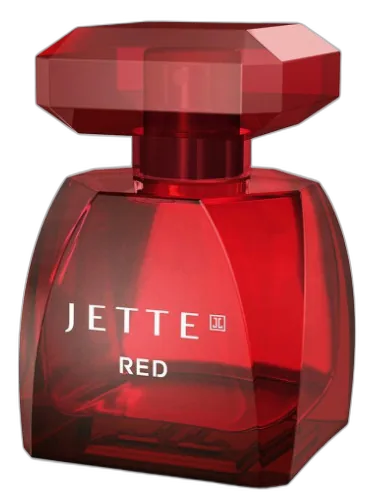
Jette Joop
Jette Red Jette Joop
Shared top notes: raspberry

Amberfig
Tonkalmond Amberfig
Shared heart notes: iris, tonka bean
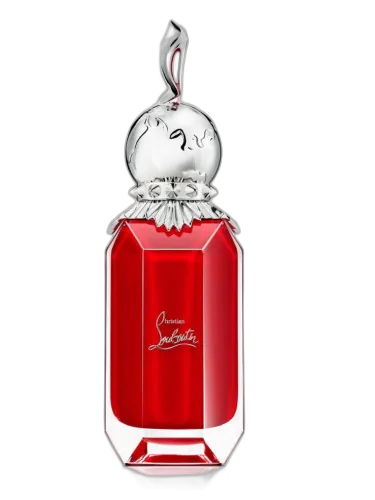
Christian Louboutin
Loubirouge Christian Louboutin
Shared top notes: cardamom