
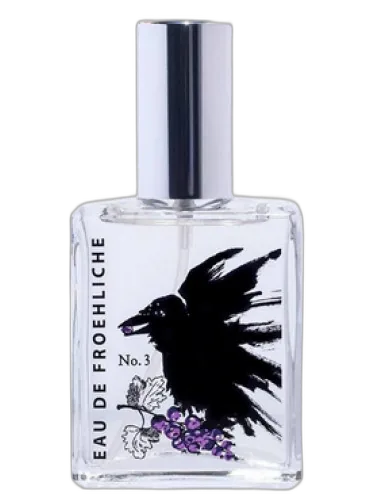

Eau De Froehliche No. 3 Erik Kormann
At a glance
Is Eau De Froehliche No. 3 Erik Kormann worth trying?
Eau de Froehliche No.
- Best match
- Evening wear in Fall
- Performance feel
- Good longevity with Moderate sillage
- Signature profile
- aromatic, woody, green with Currant buds, Lemon, Pink Pepper
The first impression
Eau de Froehliche No. 3 by Erik Kormann is a Oriental Fougere fragrance for women and men. Eau de Froehliche No. 3 was created by Erik Kormann, Alain Alchenberger and Philip Kraft. Top notes are Currant buds, Lemon and Pink Pepper; middle notes are Rosemary, Green Notes, Geranium, Fruity Notes, Sage and Rose; base notes are Cedar, Cashmeran, Olibanum, Musk, Sandalwood and Ambergris.
What shapes the scent
The perfumer behind it

Alain Alchenberger
Alain Alchenberger is a French perfumer who has created fragrances for houses like M. Micallef, Ralph Lauren, and Michael Kors. His style often balances classic elegance with modern freshness, as seen in works such as Soleil Passion and Ralph Ralph Lauren. He is known for crafting versatile scents that appeal to a wide audience, from the playful Eau De Froehliche series to the refined Arabesque Perfumes line.
Notes pyramid
Top Notes
First impression · 15-30 min
 Currant buds
 Lemon
Lemon
 Pink Pepper
Heart Notes
Core character · 2-4 hours
 Rosemary
 Green Notes
 Geranium
 Fruity Notes
 Sage
Sage
 Rose
Rose
Base Notes
Lasting impression · 4+ hours
 Cedar
Cedar
 Cashmeran
Olibanum
Cashmeran
Olibanum
 Musk
Musk
 Sandalwood
 Ambergris
The mood it creates
The Lover Archetype: Portrait of Eau De Froehliche No. 3 Erik Kormann
Essence
This person is most closely aligned with The Aesthete, an archetype that embodies the pursuit of beauty, sensory pleasure, and refined experience. The Aesthete is not merely a passive admirer but an active participant in the cultivation of elegance, seeking to transform life itself into a work of art. Their choice of fragrance-Eau De Froehliche No. 3 Erik Kormann-reflects this: a scent that is likely complex, layered, and evocative, designed not just to be worn but to be experienced.
The Aesthete is a cousin to the Jungian Lover, but where the Lover is driven by passion and connection, the Aesthete is driven by the appreciation of form, texture, and sensation. They are drawn to the exquisite, the rare, and the thoughtfully crafted. Yet, like all archetypes, this one has its shadow-indulgence, superficiality, and a tendency to prioritize beauty over substance.
Philosophy & Values
Their values revolve around authenticity-but an authenticity that is cultivated, not accidental. They despise pretension, yet they are acutely aware of how they are perceived. This paradox means they often walk a fine line between sincerity and performance.
In relationships, they are magnetic but elusive. They attract others effortlessly-their charm lies in their ability to make people feel as though they are being let into a secret world. But intimacy is difficult for them. They fear that if someone sees them too clearly, the illusion will shatter. Their love affairs are intense but brief, their friendships deep but few.
Their greatest flaw is not selfishness, but selectivity-they withhold parts of themselves, believing that only the rarefied deserve access. This can leave them lonely, even as they are surrounded by admirers.
Shadow
The Aesthete’s shadow emerges when their pursuit of perfection becomes a form of avoidance. They may grow impatient with the messiness of human emotion, preferring the controlled elegance of art to the unpredictability of life. Their disdain for the ordinary can harden into snobbery, and their fear of being common may drive them to increasingly obscure tastes, not out of genuine passion, but out of a need to differentiate themselves.
At their worst, they become prisoners of their own refinement, unable to enjoy anything that does not meet their exacting standards. The world, in its raw and unfiltered state, becomes distasteful to them.
Conclusion
For this person, existence is not merely lived but composed. Their tastes are deliberate, their style an extension of their inner world. They favor garments that suggest history-perhaps a well-tailored vintage blazer, a silk scarf with an obscure pattern, or shoes that have been broken in just enough to show character. Their home is a sanctuary of carefully chosen objects: a mid-century armchair, a Persian rug with muted colors, a shelf of first-edition books that they may or may not have read.
They are drawn to the arts, but not in the way of the casual museum-goer. They seek out the overlooked-the forgotten painter, the avant-garde composer, the poet who wrote only one perfect chapbook before vanishing. Their philosophy is one of discernment: life is too short for mediocrity.
Yet this very discernment can become a cage. They may dismiss what is popular simply because it is popular, or reject genuine connection in favor of an idealized aesthetic. Their pursuit of beauty can, at times, render them emotionally distant-more in love with the idea of things than the things themselves.
If you like this, try these
Fragrances with a comparable profile - shared accords, notes, and character.
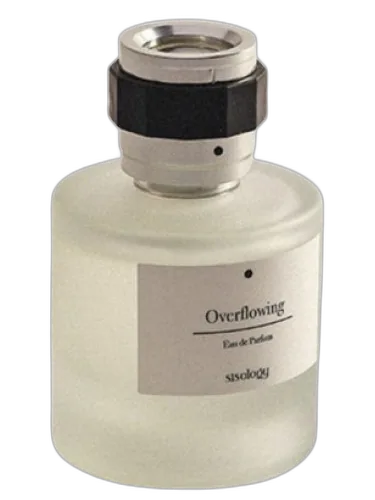
Sisology
Overflowing Sisology
Shared top notes: lemon, pink pepper
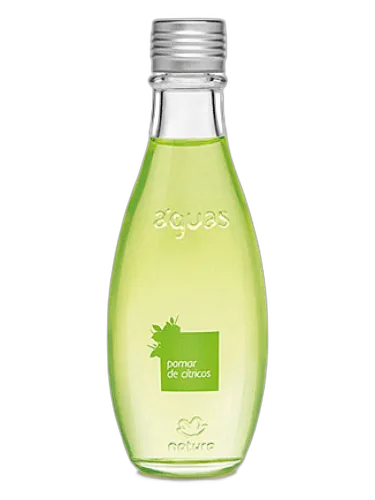
Natura
Pomar De Cítricos Natura
Shared top notes: lemon
Creed
Viking Cologne Creed
Shared top notes: lemon, pink pepper
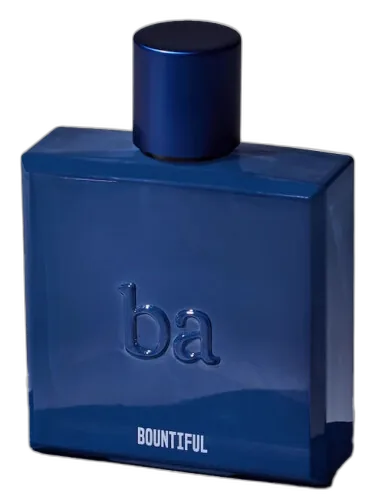
Blu Atlas
Bountiful Blu Atlas
Shared top notes: lemon, pink pepper
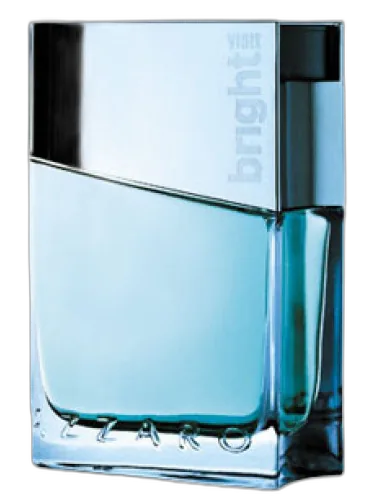
Azzaro
Bright Visit Azzaro
Shared top notes: lemon, pink pepper