

Estee Extrait Estée Lauder
Fragrance Story
Estee Extrait by Estée Lauder is a Floral Aldehyde fragrance for women. Estee Extrait was launched in 1968. Estee Extrait was created by Betty Busse and Bernard Chant. Top notes are Lily, Aldehydes, Coriander, Ylang-Ylang, Raspberry, Peach, Tuberose and Lemon; middle notes are Honey, Carnation, Lily-of-the-Valley, Orris Root, Rose, Iris and Jasmine; base notes are Oakmoss, Sandalwood, Styrax and Cedar.
Composition Profile
About the Perfumer

Bernard Chant
Bernard Chant is a renowned perfumer known for iconic creations such as Aramis, Devin, Gold, and Jhl for Aramis, as well as Aromatics Elixir for Clinique, Imprevu for Coty, and Aliage for Estée Lauder. His work also includes Antonia's Flowers for Antonia's Flowers. Chant's style is marked by bold, complex compositions that have become classics in modern perfumery.
Fragrance Notes
Top Notes
First impression · 15-30 min
 Lily
Lily
 Aldehydes
 Coriander
 Ylang-Ylang
 Raspberry
 Peach
Peach
 Tuberose
 Lemon
Lemon
Heart Notes
Core character · 2-4 hours
 Honey
Honey
 Carnation
 Lily-of-the-Valley
 Orris Root
 Rose
Rose
 Iris
Iris
 Jasmine
Base Notes
Lasting impression · 4+ hours
 Oakmoss
 Sandalwood
 Styrax
 Cedar
Cedar
Estee Extrait Estée Lauder by Estée Lauder offers a distinctive olfactory experience that stands out from other fragrances in its category.
Crafted with the finest ingredients and a blend of traditional and modern perfumery techniques, this fragrance represents the pinnacle of the perfumer's art.
Estee Extrait Estée Lauder embodies the distinctive style of Estée Lauder while adding a unique chapter to their fragrance portfolio.
Character Profile
The Sovereign Archetype: Portrait of Estee Extrait Estée Lauder
Essence
To wear Estée Lauder’s Estée Extrait is to embrace an aura of timeless elegance-a fragrance that is neither ostentatious nor fleeting, but quietly commanding. The person who chooses this scent is drawn to its refined warmth, its balance of floral depth and woody sophistication. They are not one to chase trends; they embody them, distilling them into something enduring. Their archetype is unmistakable: The Sovereign.
Shadow
Yet, the Sovereign’s strength can become their weakness. Their love of tradition may harden into resistance to change. They might dismiss new ideas too quickly, mistaking novelty for shallowness. Their discernment can slip into judgment, their self-assurance into stubbornness.
Their greatest fear is losing control-of their image, their environment, their legacy. This can make them guarded, slow to trust, slow to reveal vulnerability. In love, they may struggle with emotional surrender, preferring the safety of measured affection over raw passion. Their relationships, though deep, may lack spontaneity.
Conclusion
The Sovereign is not merely a ruler by title, but by presence. They move through life with an unspoken authority, not because they demand it, but because they naturally inspire respect. Their tastes are cultivated-classic literature, well-structured wines, tailored fabrics that whisper rather than shout. They prefer the weight of history in their choices: a vintage watch, a leather-bound journal, a home filled with heirlooms rather than disposable decor.
Their philosophy is one of stewardship-they believe in preserving what is beautiful and meaningful, whether in art, relationships, or personal conduct. They value loyalty, discretion, and mastery. Their relationships are carefully curated; they do not surround themselves with many, but those they keep close are bound by mutual respect and depth.
Similar Fragrances
Fragrances with a comparable profile - shared accords, notes, and character.
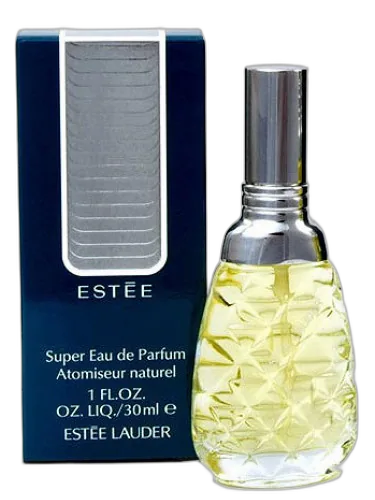
Estée Lauder
Estee Estée Lauder
Shared accords: aromatic, earthy, floral
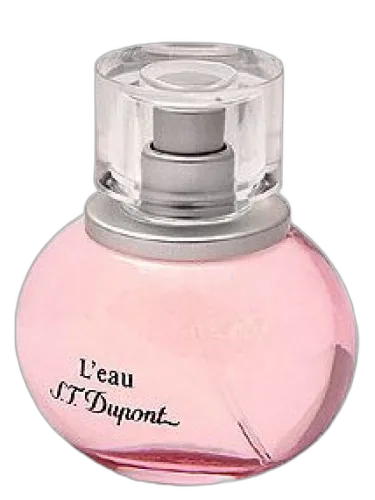
S.T. Dupont
S.t. Dupont Pour Femme S.t. Dupont
Shared accords: aromatic, earthy, floral
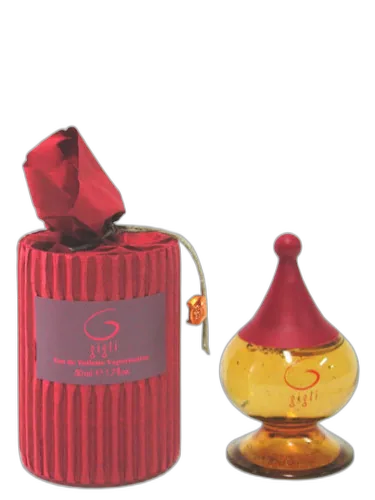
Romeo Gigli
G Gigli Romeo Gigli
Shared accords: aromatic, earthy, floral
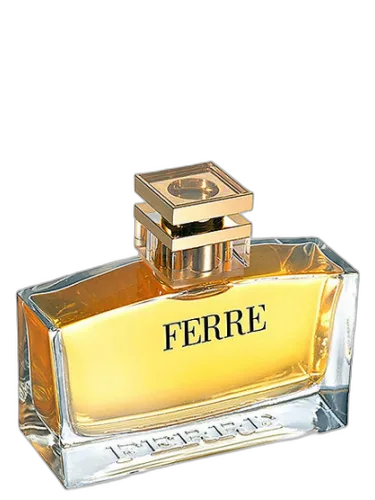
Gianfranco Ferre
Ferre Eau De Parfum Gianfranco Ferre
Shared accords: earthy, floral, fresh
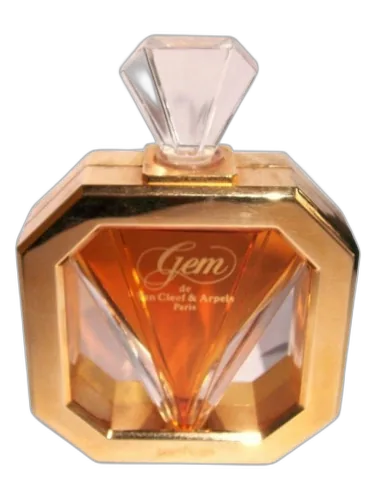
Van Cleef & Arpels
Gem Parfum Van Cleef & Arpels
Shared accords: aromatic, earthy, floral