
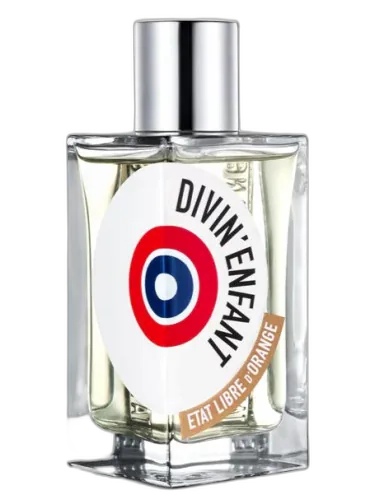

Divin'enfant Etat Libre D'orange
Fragrance Story
Divin'Enfant by Etat Libre d'Orange is a Leather fragrance for women and men. Divin'Enfant was launched in 2006. The nose behind this fragrance is Antoine Lie.
Composition Profile
About the Perfumer

Antoine Lie
Antoine Lie is a French perfumer trained at Givaudan and known for his work with brands like Burberry and Avon. His style often blends bold contrasts, pairing fresh or woody accords with unexpected gourmand or metallic touches. He created the earthy, resinous Sequoia for Abbott New York City and the spicy, incense-laced Sword for CZAR, showcasing his skill with complex, atmospheric compositions.
Fragrance Notes
All Notes
Complete scent profile
 Marshmallow
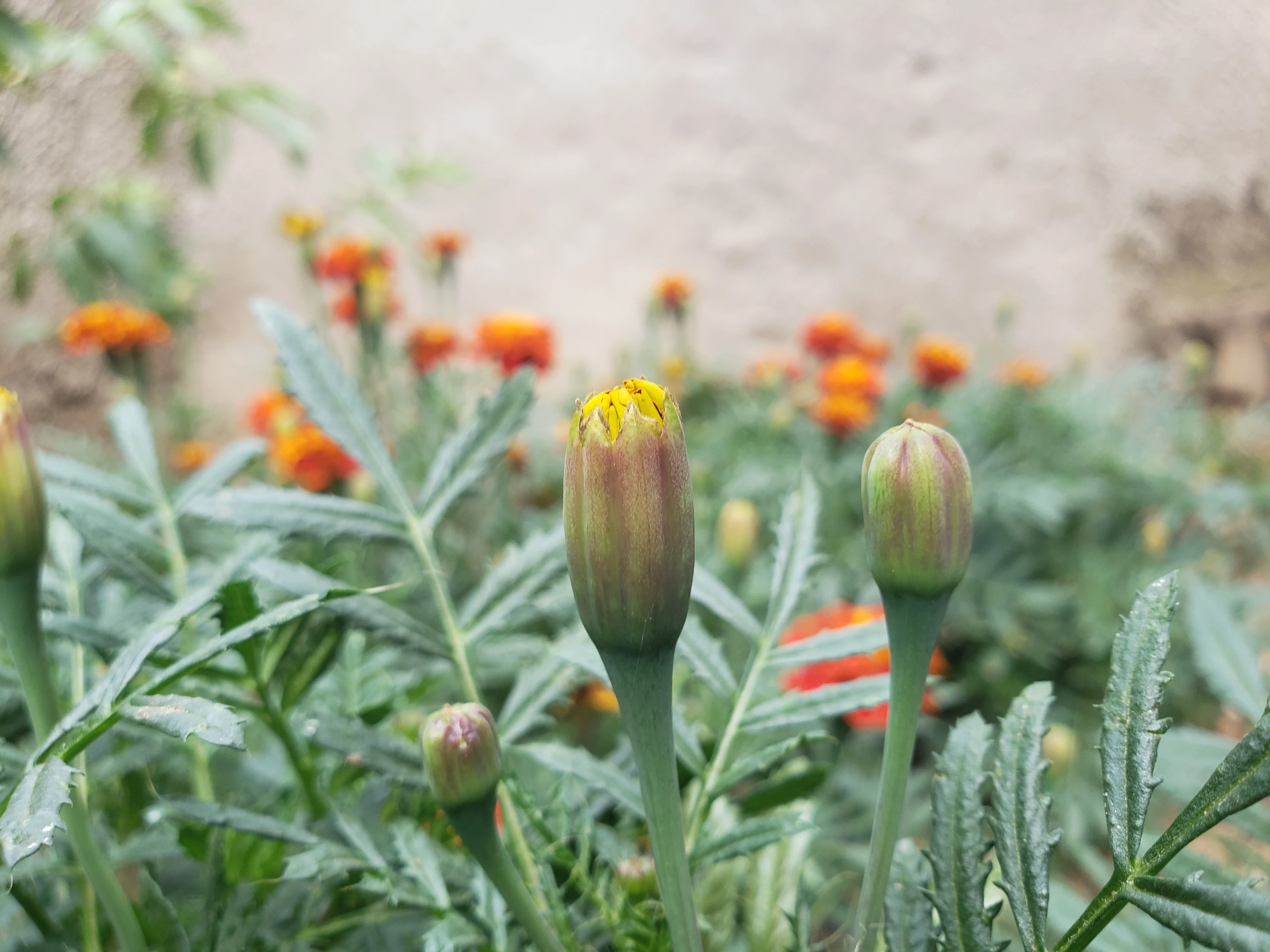 African Orange Flower
 Tobacco
 Leather
 Musk
Musk
 Coffee
 Tonka Bean
 Amber
Amber
 Rose
Rose
Character Profile
The Lover Archetype: Portrait of Divin'enfant Etat Libre D'orange
Essence
Archetype: The Divine Child (Puer Aeternus)
The one who wears Divin’enfant is not merely drawn to fragrance-they are drawn to the essence of innocence and rebellion, sweetness and mischief, the tension between purity and transgression. This is not a scent for those who wish to conform, nor for those who seek to shock without purpose. It is for the one who lives in the liminal space between youth and maturity, between wonder and wisdom. Their archetype is the Divine Child-the Puer Aeternus-forever suspended between the celestial and the earthly, between playfulness and melancholy.
Shadow
Yet, the Divine Child is not without their burdens. Their refusal to fully "grow up" can manifest as avoidance-of responsibility, of commitment, of the dull but necessary structures of adult life. They may flit from passion to passion, never allowing themselves to be mastered by any one thing. This can leave them feeling rootless, caught between the desire for depth and the fear of stagnation.
Their relationships, though rich in emotion, may lack endurance. They adore the thrill of discovery, but when the initial magic fades, they grow restless. They may unintentionally hurt others by their detachment, not out of malice, but because they fear being trapped in roles that feel too rigid.
There is a quiet melancholy beneath their playful exterior-a sense that they are always slightly out of place, too old for childish games but too young (or unwilling) to fully embrace the weight of the world. They may struggle with self-discipline, indulging in whims rather than cultivating lasting mastery.
Conclusion
They move through the world with an air of effortless charm, as though life were a series of curious encounters rather than obligations. Their tastes are eclectic-a mix of vintage whimsy and modern irreverence. They might collect old children’s books with unsettling illustrations, or wear a silk blouse with a hidden punk-rock slogan stitched inside. Their home is a sanctuary of soft textures and unexpected contrasts: a velvet chaise beside a stack of well-worn philosophy books, a porcelain teacup holding a single, wilting rose.
Philosophy is not an academic exercise for them-it is lived. They believe in the sacredness of pleasure, the necessity of beauty, and the subversive power of tenderness. They reject the notion that maturity means abandoning wonder. Their relationships are intense but fleeting, for they are drawn to kindred spirits who understand the language of symbols and sensations. They love deeply, but often from a distance, as though closeness might shatter the delicate illusion they’ve crafted.
They are not naive, but they refuse cynicism. Their laughter is genuine, their curiosity insatiable. They see the world as a place of infinite possibility, where even the mundane can be transformed by imagination.
Similar Fragrances
Fragrances with a comparable profile - shared accords, notes, and character.

Fendi
Fan Di Fendi Leather Essence Fendi
Shared accords: animalic, citrus, leather

Mary Kay
True Passion L'eau Mary Kay
Shared accords: amber, animalic, citrus
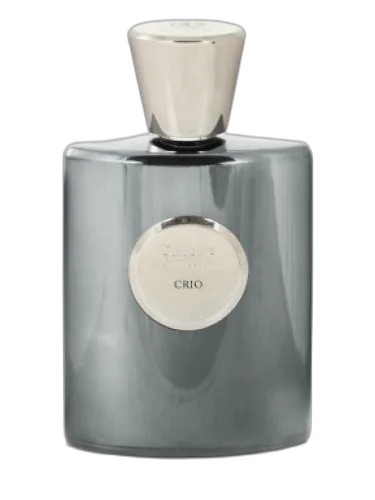
Giardino Benessere
Crio Giardino Benessere
Shared accords: amber, animalic, citrus

Alchemic Muse
Deadwood Alchemic Muse
Shared accords: amber, animalic, citrus
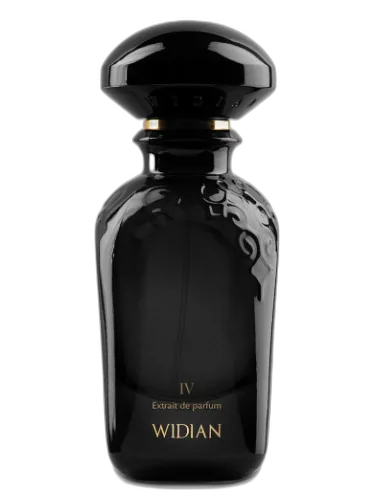
WIDIAN
Iv Widian
Shared accords: animalic, citrus, leather