
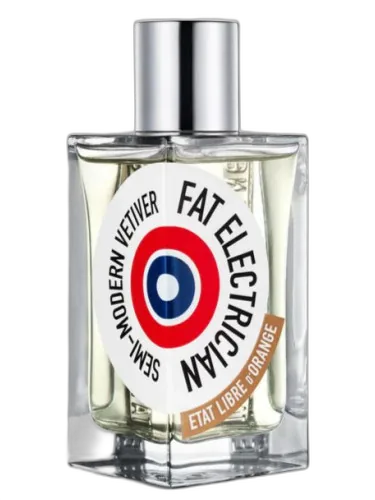
Fat Electrician Semi-modern Vetiver Etat Libre D'orange
Fragrance Story
Fat Electrician Semi-Modern Vetiver by Etat Libre d'Orange is a Oriental Woody fragrance for men. Fat Electrician Semi-Modern Vetiver was launched in 2009. The nose behind this fragrance is Antoine Maisondieu.
Composition Profile
About the Perfumer

Antoine Maisondieu
Antoine Maisondieu is a French perfumer and a senior vice president at Givaudan, where he has worked for decades. He is known for creating refined, modern compositions that balance natural elegance with subtle complexity. His work includes the woody, leathery Bottega Veneta Pour Homme and the fresh, floral Acqua di Parma Magnolia Nobile.
Fragrance Notes
All Notes
Complete scent profile
 Vetyver
Whipped Cream
Marron glace
Vanille
Vetyver
Whipped Cream
Marron glace
Vanille
 Olive Leaf
Myrhh
Olive Leaf
Myrhh
 Opoponax
Fat Electrician Semi-modern Vetiver Etat Libre D'orange by Etat Libre d'Orange offers a distinctive olfactory experience that stands out from other fragrances in its category.
Crafted with the finest ingredients and a blend of traditional and modern perfumery techniques, this fragrance represents the pinnacle of the perfumer's art.
Fat Electrician Semi-modern Vetiver Etat Libre D'orange embodies the distinctive style of Etat Libre d'Orange while adding a unique chapter to their fragrance portfolio.
Character Profile
The Fat Electrician Devotee Archetype: Portrait of Fat Electrician Semi-modern Vetiver Etat Libre D'orange
Essence
This person is most closely aligned with the Artisan archetype-a figure who shapes reality through intuition, skill, and an unorthodox sensibility. Like the fragrance itself-a blend of earthy vetiver, smoky vanilla, and unexpected synthetic sparks-they are both grounded and experimental, traditional yet subversive. The Artisan does not merely follow convention; they reinterpret it, bending materials (and ideas) to their will.
Style & Aesthetic
Their style is a deliberate paradox-structured yet rebellious. They might wear tailored vintage workwear paired with a subtly futuristic accessory, or a minimalist outfit disrupted by a single bold texture. The scent they choose, Fat Electrician, mirrors this tension: it is both rugged (vetiver, chestnut) and sleek (vanilla, myrrh), evoking a mechanic’s workshop touched by an avant-garde perfumer’s hand.
They appreciate craftsmanship but disdain pretension. Their home is filled with well-worn books, industrial lighting, and perhaps a single surrealist painting-objects that suggest depth without demanding admiration. Music tastes lean toward post-punk, jazz noir, or ambient electronica-anything that balances rawness with refinement.
They indulge, but with control. A fine whiskey is savored slowly; a late-night conversation lingers but does not sprawl into exhaustion. They enjoy the sensual pleasures of life-good food, tactile fabrics, the weight of a well-made tool-but disdain excess for its own sake.
Their daily rhythm is deliberate. Mornings might involve black coffee and a solitary walk; evenings could be spent tinkering on a personal project or debating philosophy with a close friend. They are not ascetic, but they reject chaos-their hedonism is curated, a rebellion against both puritanism and mindless decadence.
Philosophy & Values
They believe in substance over spectacle, in the power of subtlety. Unlike the loud idealist or the dogmatic traditionalist, they express dissent through action rather than rhetoric. Their politics are pragmatic but principled; they distrust grand narratives but uphold personal integrity fiercely.
Work is not merely a means to an end-it is an extension of self. Whether they are a designer, engineer, writer, or chef, they approach their craft with a mix of precision and irreverence. They despise corporate jargon and empty trends, preferring the quiet mastery of a skill. Yet they are not a purist; they embrace the occasional absurdity of modern life, laughing at its contradictions rather than raging against them.
Relationships
They attract others effortlessly but remain selective in intimacy. Friends admire their dry wit and reliability, while lovers are drawn to their enigmatic presence-warm yet self-contained. They do not crave constant companionship, but when they choose to let someone in, it is with a depth that surprises even themselves.
Romantically, they resist clichés. They might be drawn to partners who are equally independent, who understand that love does not require possession. Their shadow here is a tendency toward emotional detachment-a fear that deep vulnerability could disrupt their carefully balanced world.
Shadow
Their strength-self-reliance-can harden into rigidity. They may dismiss others’ perspectives too quickly, mistaking independence for infallibility. At times, their dry humor veers into cynicism, a defense against sentimentality they secretly fear.
Worse, their love of craft can become escapism. If unbalanced, they might retreat into work or solitary pursuits, avoiding the messiness of human connection. The very creativity that defines them can, in excess, isolate them.
Conclusion
They are neither purely romantic nor purely rational-they are the synthesis. Like Fat Electrician, they merge the earthy and the electric, tradition and innovation. Their life is an ongoing experiment, a refusal to be categorized.
Yet they must remember: the Artisan’s greatest work is not what they make, but who they become. Mastery of craft is meaningless without mastery of self. And sometimes, the most radical act is not to create in solitude-but to let someone else in, to allow their world to be reshaped by another’s hand.
Similar Fragrances
Fragrances with a comparable profile - shared accords, notes, and character.
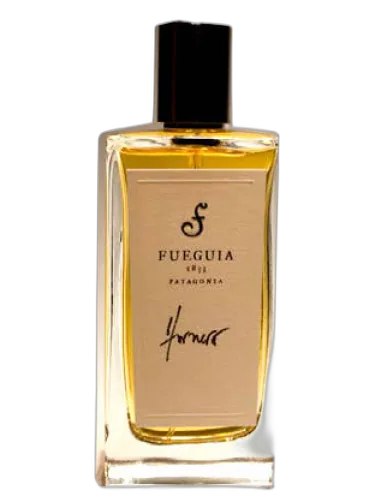
Fueguia 1833
Hornero Fueguia 1833
Shared accords: amber, aromatic, balsamic
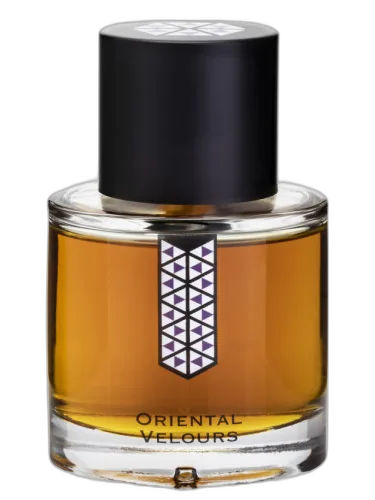
Les Indemodables
Oriental Velours Les Indemodables
Shared accords: amber, aromatic, balsamic
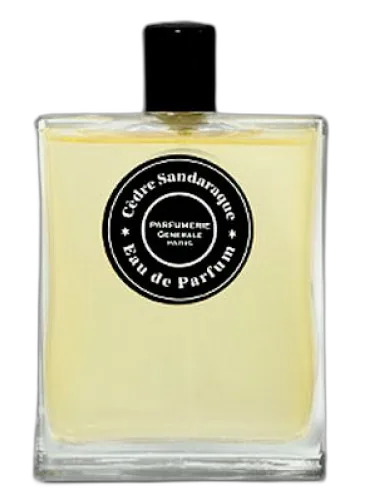
Pierre Guillaume Paris
Cedre Sandaraque Pierre Guillaume Paris
Shared accords: amber, aromatic, balsamic
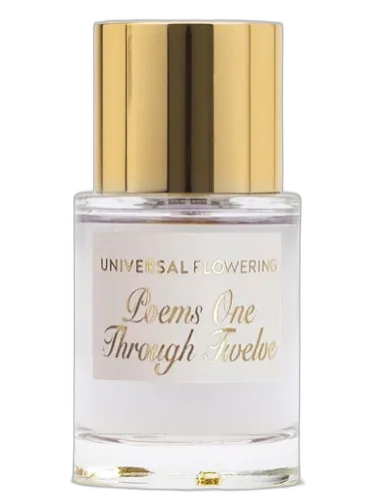
Universal Flowering
Poems One Through Twelve Universal Flowering
Shared accords: amber, aromatic, balsamic
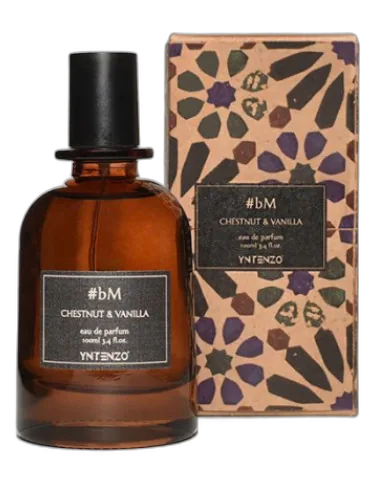
Yntenzo
#bm - Chestnut & Vanilla Yntenzo
Shared accords: amber, aromatic, balsamic