
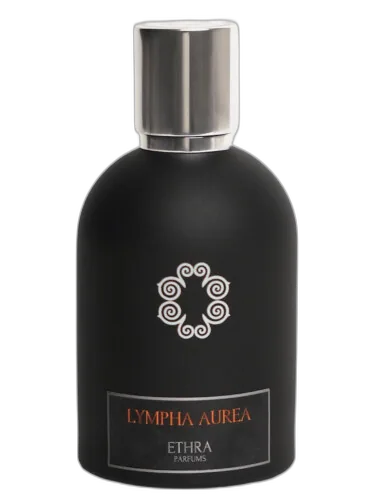
Lympha Aurea Ethra Parfums
At a glance
Is Lympha Aurea Ethra Parfums worth trying?
Lympha Aurea by Ethra Parfums is a Floral Woody Musk fragrance for women and men.
- Best match
- Evening wear in Spring
- Performance feel
- Good longevity with Moderate sillage
- Signature profile
- citrus, amber, woody with Bergamot, Neroli, Sap
The first impression
Lympha Aurea by Ethra Parfums is a Floral Woody Musk fragrance for women and men. This is a new fragrance. Lympha Aurea was launched in 2024. The nose behind this fragrance is Lorenzo Berti. Top notes are Bergamot, Neroli and Sap; middle notes are Honeysuckle, Heliotrope and Olive Blossom; base notes are Ambroxan, Cedar and Musk.
What shapes the scent
The perfumer behind it

Lorenzo Berti
Lorenzo Berti is a perfumer who has worked with brands like Balaclava Perfumes, DoubleDragon, Ethra Parfums, Marcoccia, and Masca Parfums. His catalog includes Ora D'aria, Demna, Astra Noctis, and Dark Room, spanning dark, aromatic, and avant-garde styles. Berti's work often explores bold, unconventional themes.
Notes pyramid
Top Notes
First impression · 15-30 min
 Bergamot
 Neroli
 Sap
Sap
Heart Notes
Core character · 2-4 hours
 Honeysuckle
 Heliotrope
 Olive Blossom
Base Notes
Lasting impression · 4+ hours
 Ambroxan
 Cedar
Cedar
 Musk
Musk
The mood it creates
The Lover Archetype: Portrait of Lympha Aurea Ethra Parfums
Essence
The one who wears Lympha Aurea by Ethra Parfums is not merely drawn to fragrance-they seek transformation. Their soul resonates with the Alchemist, an archetype that thrives on metamorphosis, turning the base into gold, the mundane into the sacred. Like the alchemists of old, they are both scientist and mystic, balancing precision with intuition. They do not simply experience life; they refine it, distilling meaning from every encounter, every scent, every fleeting emotion.
Shadow
But the Alchemist’s greatest strength is also their weakness: the relentless pursuit of refinement can become a prison. Their disdain for the crude, the unpolished, can harden into elitism. They may dismiss what is raw and untamed, forgetting that gold was once mere ore.
Their relationships suffer when they expect others to match their own exacting standards. They may grow impatient with those who do not share their vision, withdrawing into a self-made ivory tower. And when life refuses to conform to their ideals, they risk disillusionment-the alchemist who can no longer believe in transformation.
Conclusion
Their tastes are not accidental but cultivated-each choice a deliberate act of self-creation. They favor textures that whisper against the skin: raw silk, aged leather, linen softened by time. Their home is a sanctuary of contrasts-minimal yet warm, sparse yet rich in detail. A single antique vial on a reclaimed wood table, a book of poetry left open to a half-remembered verse. They do not clutter their world with excess, but neither do they deny themselves beauty.
Philosophy is not an abstraction to them but a lived practice. They believe in the sacredness of the senses, that pleasure-when refined-can be a path to wisdom. They are drawn to the Stoics for discipline, to the Romantics for passion, but ultimately, they forge their own way. Their values are fluid yet deeply held: authenticity above all, but also the freedom to reinvent.
If you like this, try these
Fragrances with a comparable profile - shared accords, notes, and character.
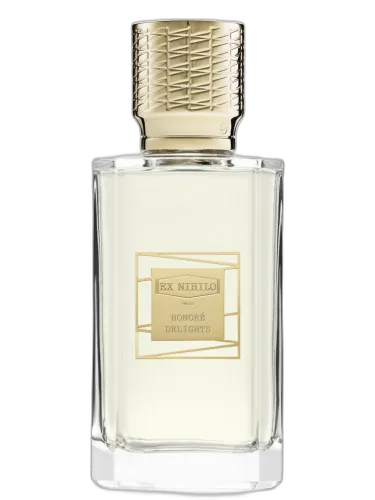
Ex Nihilo
Honoré Delights Ex Nihilo
Shared top notes: bergamot, neroli
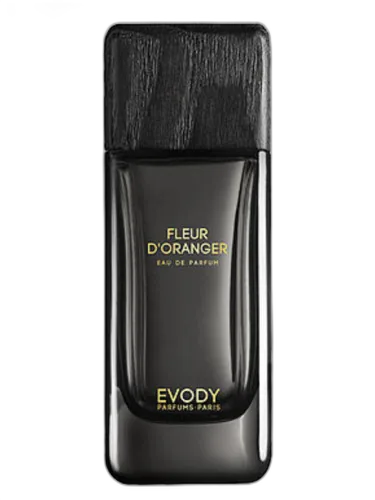
Evody Parfums
Fleur D'oranger Evody Parfums
Shared top notes: bergamot
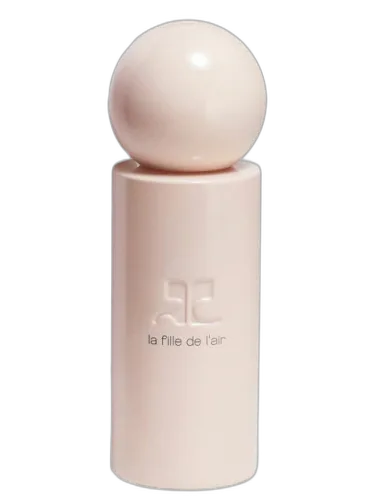
Courrèges
La Fille De L'air (2021) Courrèges
Shared top notes: bergamot, neroli
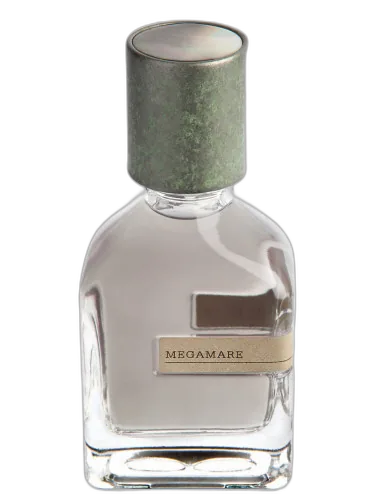
Orto Parisi
Megamare Orto Parisi
Shared top notes: bergamot
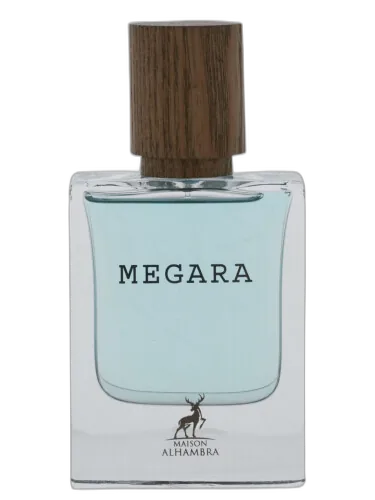
Maison Alhambra
Megara Maison Alhambra
Shared top notes: bergamot