
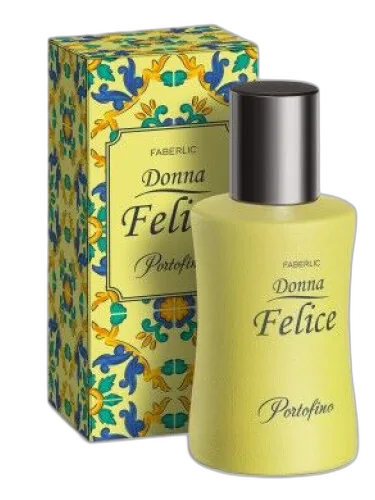

Donna Felice Portofino Faberlic
At a glance
Is Donna Felice Portofino Faberlic worth trying?
Donna Felice Portofino by Faberlic is a Citrus fragrance for women.
- Best match
- Casual wear in Summer
- Performance feel
- Moderate longevity with Moderate sillage
- Signature profile
- citrus, aromatic, fresh with Lemon, Tea, Bergamot
The first impression
Donna Felice Portofino by Faberlic is a Citrus fragrance for women. This is a new fragrance. Donna Felice Portofino was launched in 2025. Top notes are Lemon, Tea, Bergamot, Cardamom and Ice; middle notes are Jasmine, Sea Foam and Freesia; base notes are Pine, Blonde Woods and Musk.
What shapes the scent
The perfumer behind it

Faberlic
Faberlic creates accessible yet refined scents like Donna Felice Portofino Faberlic, blending bright florals with Mediterranean warmth. Their approach emphasizes wearability and versatility, making each fragrance suitable for everyday elegance. The brand's perfumes often feature sunny, uplifting notes that capture effortless sophistication.
Notes pyramid
Top Notes
First impression · 15-30 min
 Lemon
Lemon
 Tea
Tea
 Bergamot
 Cardamom
 Ice
Ice
Heart Notes
Core character · 2-4 hours
 Jasmine
 Sea Foam
 Freesia
Base Notes
Lasting impression · 4+ hours
 Pine
Pine
 Blonde Woods
 Musk
Musk
The mood it creates
The Lover Archetype: Portrait of Donna Felice Portofino Faberlic
Essence
This person is a devotee of beauty, a seeker of pleasure, a soul who understands life not as a series of obligations but as a canvas for aesthetic and emotional richness. Their choice of Donna Felice Portofino Faberlic-a fragrance that blends citrus, floral, and woody notes-reveals a nature drawn to harmony, elegance, and the intoxicating allure of the senses. They are, at their core, an embodiment of the Lover archetype, one who experiences the world through passion, connection, and an unwavering pursuit of what feels exquisite.
They do not merely wear a scent; they inhabit it. The fragrance becomes an extension of their identity-light yet lingering, vibrant yet grounded. Like the Italian Riviera that inspired it, they carry an air of effortless sophistication, a magnetism that draws others in without force.
Style & Aesthetic
For them, beauty is not frivolous-it is essential. They surround themselves with objects, spaces, and experiences that resonate with their inner world. Their home is curated, not cluttered; their wardrobe is deliberate, not accidental. They favor textures that invite touch, colors that evoke emotion, scents that linger in memory.
Their philosophy is one of sensual existentialism-they believe that meaning is found not in abstract ideals but in the tangible, the felt, the tasted. They reject asceticism, seeing it as a denial of life’s richness. Yet they are not hedonists in the crude sense; their pleasures are refined, their indulgences thoughtful. A well-aged wine, a perfectly ripe fig, the golden light of late afternoon-these are their sacraments.
They move through the world with an artist’s eye and a poet’s heart. Their days are not merely lived but composed-meals are savored, conversations are lingered over, moments are stolen and treasured. They are drawn to places where beauty is palpable: sunlit terraces, candlelit dinners, cities where history whispers from every stone.
Work, for them, must have meaning beyond utility. They thrive in creative fields-design, art, hospitality-where their sensibilities can flourish. If trapped in a sterile environment, they wither like a flower without light.
Relationships
To love them is to be enveloped in warmth, to be seen in a way few others can. They are generous with affection, attuned to the moods of those they cherish, and skilled in the subtle language of touch and tone. Their relationships are deep, often intense, because they do not engage in half-measures-love, for them, is either sacred or it is nothing.
Yet this very intensity can become their shadow. Their need for profound connection may border on possessiveness; their desire to be desired can slip into vanity. They may mistake infatuation for love, or grow restless when the initial thrill of a relationship fades. The Lover’s greatest fear is indifference-to be forgotten, to become ordinary.
Shadow
The Lover’s brilliance is also their vulnerability. Their pursuit of beauty can become an escape from the mundane, leaving them impatient with life’s necessary drudgeries. They may grow disillusioned when reality fails to match their ideals, or when others do not appreciate their refined tastes.
At worst, they may indulge in decadence for its own sake, mistaking sensation for substance. They might chase after new experiences not out of genuine curiosity, but out of a fear of stagnation. Their charm, so often their strength, can become manipulative-a means to ensure they remain the center of attention.
They are neither saint nor sybarite, but a living paradox-a soul who worships at the altar of beauty while wrestling with its fleeting nature. Their greatest gift is their capacity to make life feel more alive; their greatest challenge is to accept that not all of life can be a masterpiece.
Yet, in the end, they would not have it any other way. For them, a life without passion is no life at all.
If you like this, try these
Fragrances with a comparable profile - shared accords, notes, and character.

4711
4711 Jasmine Eau De Cologne 4711
Shared top notes: bergamot, tea

O Boticário
Nativa Spa Guaraná Senses O Boticário
Shared top notes: bergamot, lemon
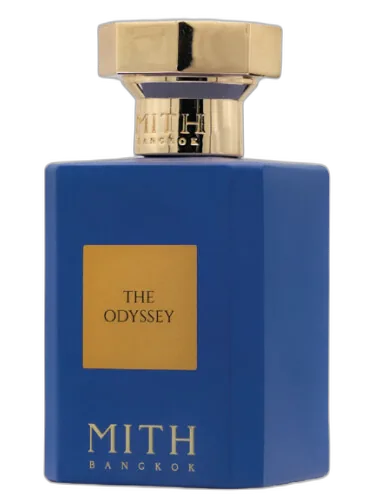
Mith
The Odyssey Mith
Shared top notes: bergamot, cardamom, lemon
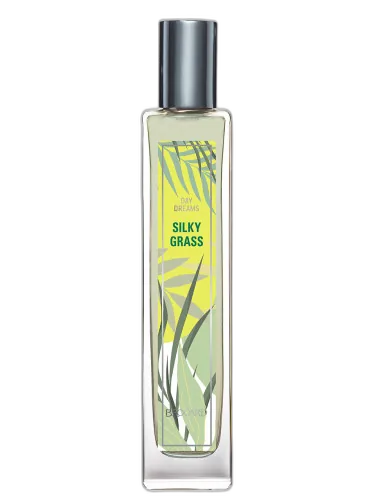
Brocard
Silky Grass Brocard
Shared top notes: bergamot, cardamom, lemon
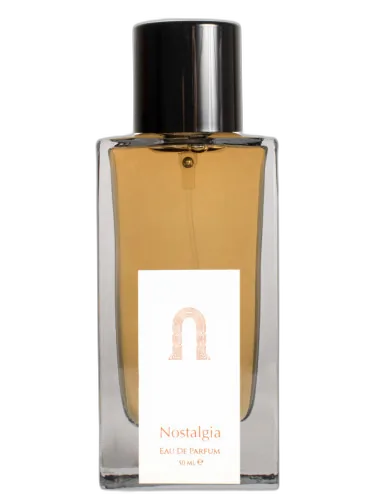
NSHQ
Nostalgia Nshq
Shared top notes: lemon