


Мама Faberlic
Fragrance Story
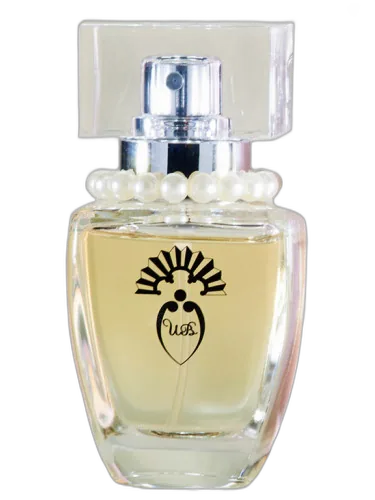
МАМА by Faberlic is a Floral Green fragrance for women. МАМА was launched in 2012. The nose behind this fragrance is Bertrand Duchaufour. Top notes are Aldehydes, Raspberry, Cyclamen and Freesia; middle notes are Caramel, Vanilla, Mimosa, Violet, Jasmine and Lily-of-the-Valley; base notes are Powdery Notes, Geranium, Musk and Honeysuckle.
Composition Profile
About the Perfumer

Bertrand Duchaufour
Bertrand Duchaufour is a renowned French perfumer with a prolific career spanning many brands. He has created fragrances for Acqua di Parma, including Blu Mediterraneo - Cipresso Di Toscana and Colonia Assoluta, as well as for Aedes de Venustas, such as Café Tabac and Copal Azur. His style is known for its complexity and use of natural ingredients.
Fragrance Notes
Top Notes
First impression · 15-30 min
 Aldehydes
 Raspberry
 Cyclamen
 Freesia
Heart Notes
Core character · 2-4 hours
 Caramel
 Vanilla
 Mimosa
 Violet
 Jasmine
 Lily-of-the-Valley
Base Notes
Lasting impression · 4+ hours
 Powdery Notes
 Geranium
 Musk
Musk
 Honeysuckle
Character Profile
The Nurturer Archetype: Portrait of Мама Faberlic
Essence
Мама Faberlic is a fragrance that evokes warmth, familiarity, and comfort-like the embrace of a home that has known both laughter and quiet moments. It is not ostentatious, nor does it demand attention; rather, it lingers subtly, a reminder of stability and care. The person who chooses this scent is drawn to its unpretentious nature, its balance of soft florals and gentle warmth, mirroring their own approach to life.
At their core, this individual embodies the Nurturer archetype, a figure who finds meaning in caretaking, in fostering growth-whether in people, relationships, or the small rituals that make life feel whole. They are the ones who remember birthdays, who prepare meals with deliberate attention, who listen without rushing to judgment. Their presence is a sanctuary, a place where others feel seen and valued.
Yet, like all archetypes, the Nurturer has its shadow. The very devotion that makes them indispensable can also become a cage-both for themselves and those they care for. Their love, though genuine, can slip into overbearing control, their selflessness into resentment when their efforts go unnoticed.
Style & Aesthetic
Their aesthetic is one of practical elegance-clothes that are comfortable yet presentable, spaces that are lived-in but orderly. They prefer muted colors, natural fabrics, and objects that carry meaning rather than mere decoration. Their home is likely filled with well-worn books, family photographs, and small tokens collected over the years-each with a story attached.
Philosophically, they believe in the sacredness of the everyday. They do not chase grand ideologies but instead find purpose in the quiet acts of sustaining life: cooking, mending, listening. They distrust extremes, favoring balance and continuity. To them, happiness is not found in fleeting excitement but in the slow accumulation of trust, routine, and shared history.
Relationships
In love and friendship, they are the steady hand, the one who remembers anniversaries, who offers soup when someone is ill, who mediates conflicts with patience. They are not the life of the party, but they are the one who ensures everyone has a ride home. Their relationships are built on loyalty, often lasting decades, because they invest deeply and forgive readily.
But their shadow emerges when their care becomes expectation-when they mistake their own sacrifices for unspoken contracts. They may grow bitter if their efforts are not reciprocated in the exact manner they envision, struggling to accept that love cannot always be measured in equal exchanges.
Shadow
The Nurturer’s greatest weakness is their fear of being unnecessary. They derive their sense of worth from being needed, and when others assert independence, they may interpret it as rejection. This can lead to passive-aggressive guilt-tripping, an unconscious manipulation disguised as concern. ("I just worry about you-you never call anymore.")
They must learn that love is not a transaction, that true nurturing allows others to grow beyond dependency. Without this awareness, they risk becoming the martyr, the eternal giver who secretly resents the very role they cherish.
Conclusion
When balanced, the Nurturer is the quiet force that holds the world together. They are the ones who make a house a home, who turn strangers into friends, who teach through kindness rather than lectures. Their legacy is not in monuments but in the small, enduring ways they shape the lives around them.
Yet they must remember: to nurture others, they must also nurture themselves. Their greatest lesson is to love without possession, to care without control-and in doing so, they find that their own life, too, can flourish.
Similar Fragrances
Fragrances with a comparable profile - shared accords, notes, and character.

Jequiti
Rebeca Abravanel Jequiti
Shared accords: caramel, floral, fresh

Nina Ricci
Pretty Nina Nina Ricci
Shared accords: caramel, fresh, fruity
Irina Vaganova - Ирина Ваганова
Runaway Style Irina Vaganova - Ирина Ваганова
Shared accords: aldehydic, floral, fresh

Eudora
Kiss Me Lovely Eudora
Shared accords: caramel, fresh, fruity

Love2Love
Jasmine + Sparkling Mimosa Love2love
Shared accords: floral, fresh, fruity