


Faith Hill Faith Hill
At a glance
Is Faith Hill Faith Hill worth trying?
Faith Hill by Faith Hill is a Floral fragrance for women.
- Best match
- Casual wear in Spring
- Performance feel
- Moderate longevity with Moderate sillage
- Signature profile
- white floral, floral, fresh with Peony, Neroli, Pear
The first impression
Faith Hill by Faith Hill is a Floral fragrance for women. Faith Hill was launched in 2009. The nose behind this fragrance is Caroline Sabas. Top notes are Peony, Neroli and Pear; middle notes are Gardenia, Jasmine and Magnolia; base notes are Iris, Musk and Vetyver.
What shapes the scent
The perfumer behind it

Caroline Sabas
Caroline Sabas is a prolific perfumer with a portfolio that includes Animale Instinct Homme Animale, Avon Luck Eau So Free Avon, and Badgley Mischka Couture Badgley Mischka. She has created numerous scents for Avon, such as Far Away Dreams and Little Sequin Dress. Her work also extends to Anthropologie's A Rather Novel Collection.
Notes pyramid
Top Notes
First impression · 15-30 min
 Peony
Peony
 Neroli
 Pear
Pear
Heart Notes
Core character · 2-4 hours
 Gardenia
 Jasmine
 Magnolia
Base Notes
Lasting impression · 4+ hours
 Iris
Iris
 Musk
Musk
 Vetyver
The mood it creates
The Lover Archetype: Portrait of Faith Hill Faith Hill
Essence
To wear Faith Hill Faith Hill is to embrace a fragrance that is soft yet confident, warm yet understated-a scent that whispers of comfort and sensuality without demanding attention. The person who chooses this fragrance is likely guided by the Lover archetype, a soul who seeks connection, beauty, and emotional depth in all things. Their life is an ode to intimacy, whether in love, friendship, or the quiet pleasures of daily existence.
Style & Aesthetic
Their presence is inviting, like a hearth in winter-neither ostentatious nor coldly minimal. They favor textures that feel as good as they look: cashmere sweaters, well-worn leather boots, linen that drapes effortlessly. Their home is a sanctuary of warmth, filled with flickering candles, fresh flowers, and well-loved books. They are drawn to colors that evoke emotion-deep burgundies, warm taupes, the soft blush of a sunset.
Music is essential to them, not as background noise but as an emotional anchor. They might lean toward soulful country, folk, or blues-anything that tells a story of love, longing, or resilience. Their taste in art is similarly tactile; they prefer paintings with rich textures, sculptures that beg to be touched, photographs that capture raw, unfiltered moments.
They thrive in partnership, not out of dependence but because they believe love is the highest form of human expression. Their romantic relationships are intense, affectionate, sometimes bordering on possessive-not out of jealousy, but because they invest so fully in the bond. They are the kind of partner who leaves handwritten notes, who remembers the way you take your coffee, who knows when to pull you close and when to give you space.
Friendship, too, is sacred to them. They cultivate deep, lasting connections, often serving as the emotional anchor in their social circles. But their shadow emerges when they expect the same devotion in return-not out of selfishness, but because they cannot fathom love being anything less than all-consuming. When others inevitably fall short, they may retreat, wounded, into solitude.
Philosophy & Values
They believe life is meant to be felt deeply, not merely endured. Love, in all its forms, is their guiding principle-not just romantic love, but the love of friendship, of nature, of good food shared with good company. They reject cynicism, though they are not naïve; they have known heartache, but they refuse to let it harden them.
Their greatest strength is their ability to make others feel seen. They listen with their whole being, not just waiting for their turn to speak but absorbing the unspoken emotions beneath the words. They are the friend who remembers birthdays, who brings soup when you’re sick, who knows exactly when to offer a hug.
Yet, this very warmth can become their shadow. Their desire to please can slip into people-pleasing, their fear of conflict leading them to suppress their own needs. They may stay too long in relationships that no longer serve them, mistaking endurance for devotion. At their worst, they risk losing themselves in the act of loving others, forgetting that love must also flow inward.
Shadow
The Lover’s greatest gift is their capacity for tenderness, their refusal to let the world make them cold. But their greatest challenge is learning that love does not always mean self-sacrifice. They must reconcile their desire to give with the necessity of receiving, their instinct to merge with another with the need to remain whole unto themselves.
When balanced, they are a force of warmth in a world that often forgets how to feel. When unbalanced, they risk burning out, their open heart becoming a wound rather than a wellspring. Yet even in their struggles, they embody a truth Nietzsche himself might have admired: that to love deeply is to live fully, and that vulnerability, though perilous, is the only path to true connection.
If you like this, try these
Fragrances with a comparable profile - shared accords, notes, and character.
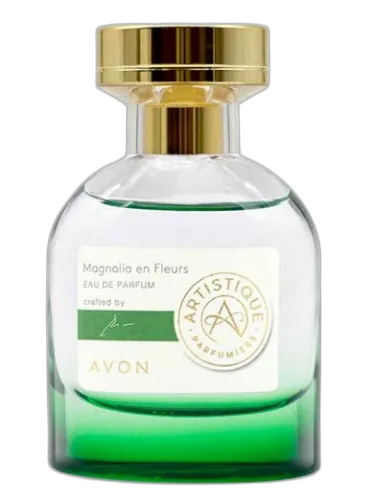
Avon
Magnolia En Fleurs Avon
Shared heart notes: gardenia, jasmine, magnolia

Nina Ricci
Les Sorbets De Luna Nina Ricci
Shared top notes: pear

ID Parfums
Secrets De Volupte Id Parfums
Shared top notes: pear

Swiss Arabian
Pure Moments Swiss Arabian
Shared heart notes: magnolia
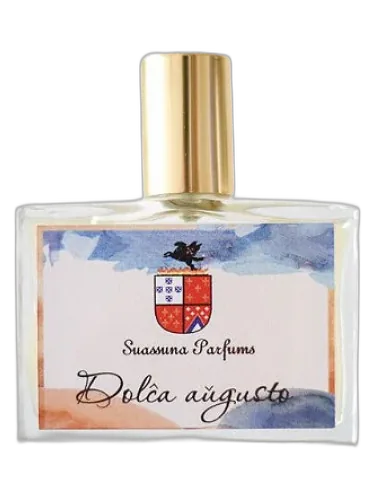
Suassuna Parfums
Dolĉa Aŭgusto Suassuna Parfums
Shared heart notes: gardenia, jasmine, magnolia