
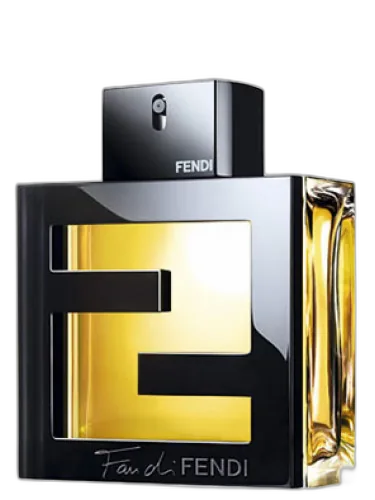

Fan Di Fendi Pour Homme Fendi
At a glance
Is Fan Di Fendi Pour Homme Fendi worth trying?
Fan di Fendi pour Homme by Fendi is a Woody Aromatic fragrance for men.
- Best match
- Evening wear in Fall, Winter
- Performance feel
- Good longevity with Strong sillage
- Signature profile
- leather, woody, warm spicy with Leather, Woody Notes, Cardamom
The first impression
Fan di Fendi pour Homme by Fendi is a Woody Aromatic fragrance for men. Fan di Fendi pour Homme was launched in 2012. Fan di Fendi pour Homme was created by François Demachy, Delphine Lebeau and Benoist Lapouza.
What shapes the scent
The perfumer behind it

Benoist Lapouza
Benoist Lapouza has contributed to the ALYSONOLDOINI collection, crafting fragrances such as Black Violet, Crystal Oud, Cuir D'encens, Marine Vodka, Marsiglia Musk, Oranger Moi, Rhum D'hiver, and Rose Profond. His work spans a variety of olfactory families, from rich leathers and ouds to fresh marine and citrus notes. Lapouza's style is characterized by a refined balance of traditional and contemporary influences.
Notes pyramid
All Notes
Complete scent profile
 Leather
 Woody Notes
 Cardamom
 Pink Pepper
 Citruses
 Basil
Basil
The mood it creates
The Sovereign Archetype: Portrait of Fan Di Fendi Pour Homme Fendi
Essence
This man is ruled by the Sovereign archetype-a figure who commands presence without demand, who exudes authority not through force but through an unshakable certainty in his own essence. The Sovereign is not merely a leader; he is a curator of his own reality, shaping his environment with deliberate precision. Fan Di Fendi Pour Homme, with its rich leather, smoky woods, and understated spice, is the olfactory embodiment of this archetype-refined, controlled, yet undeniably potent.
Philosophy & Values
He values loyalty, competence, and discretion above all else. His inner circle is small, carefully vetted over years, if not decades. He is not cold, but he is guarded-emotions are not suppressed so much as rationed, reserved for moments of true significance. Romantic partners are drawn to his self-assurance, his ability to make decisions with conviction, but some may find his emotional restraint frustrating. He does not love lightly, but when he does, it is with a depth that surprises even himself.
Friendships are built on mutual respect rather than casual affection. He has little patience for frivolity, though he understands its social necessity. His humor is dry, his compliments rare but meaningful. To be acknowledged by him is to feel seen in a way few others achieve.
Shadow
Yet the Sovereign’s greatest strength-his unwavering self-possession-can curdle into rigidity. When threatened or challenged, he may retreat into isolation, dismissing dissent as ignorance rather than engaging with it. His distaste for chaos can make him controlling, mistaking flexibility for weakness. If unchecked, his natural authority may harden into arrogance, a belief that his way is not merely preferred but inherently superior.
There is also the risk of emotional detachment-a life so carefully structured that spontaneity becomes alien to him. He may, in moments of solitude, wonder if his mastery of the external world has come at the cost of deeper, messier human connections.
Conclusion
He is a man who has mastered the external world but must occasionally ask himself: Have I mastered myself? His life is a testament to discipline, to the belief that excellence is a choice. Yet the shadow whispers that control, when absolute, can become its own prison. The challenge-and the beauty-of the Sovereign is to rule without becoming a tyrant, to lead without forgetting how to feel.
In the end, he is neither hero nor villain, but a man walking the fine line between them. And perhaps that is the most compelling thing about him.
If you like this, try these
Fragrances with a comparable profile - shared accords, notes, and character.
Armaf
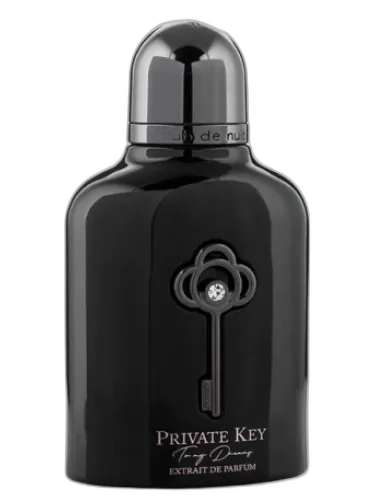
Private Key To My Dreams Armaf
Shared top notes: cardamom, pink pepper
Partisan Parfums
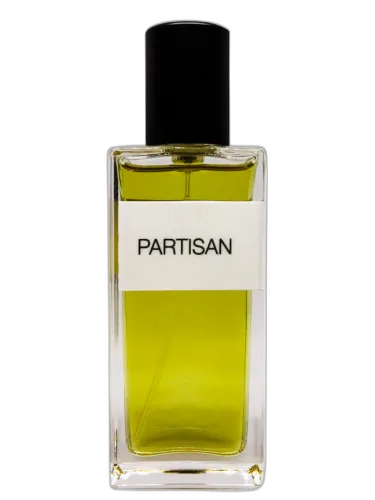
Partisan Partisan Parfums
Shared top notes: citruses, leather, woody notes
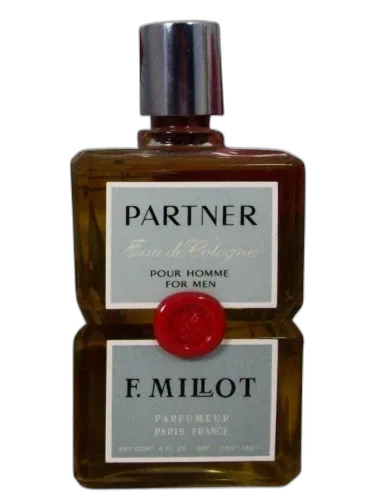
F. Millot
Partner F. Millot
Shared top notes: citruses, leather, woody notes
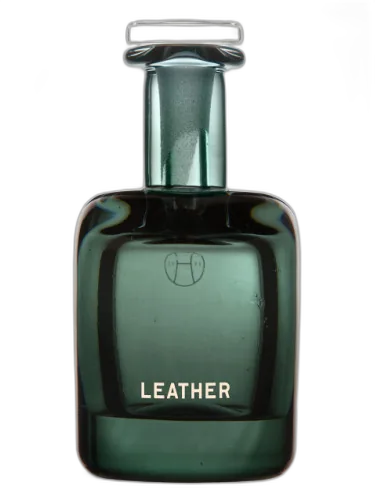
Perfumer H
Leather Perfumer H
Shared top notes: cardamom, leather
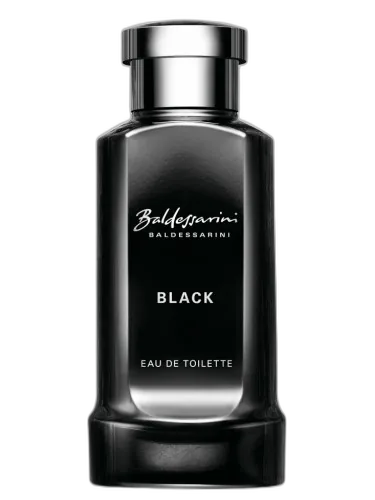
Baldessarini
Baldessarini Black Baldessarini
Shared top notes: basil, pink pepper