
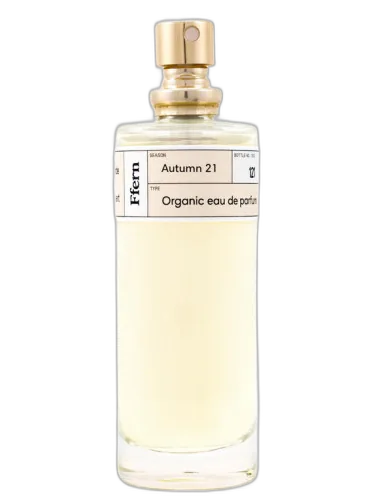

Autumn 21 Ffern
At a glance
Is Autumn 21 Ffern worth trying?
Autumn 21 by Ffern is a Aromatic fragrance for women and men.
- Best match
- Casual wear in Fall
- Performance feel
- Good longevity with Moderate sillage
- Signature profile
- aromatic, citrus, woody with Bergamot, Bitter Orange, Tarragon
The first impression
Autumn 21 by Ffern is a Aromatic fragrance for women and men. Autumn 21 was launched in 2021. The nose behind this fragrance is Elodie Durande. Top notes are Bergamot, Bitter Orange, Tarragon, Green Mandarin, Clary Sage, Lemon Peel and Rosemary; middle notes are Coriander, Basil, Hyssop, Guatemalan Cardamom, Indonesian Patchouli Leaf, Myrrh and Tunisian Neroli; base notes are Algae, Hay, Haitian Vetiver, Oakmoss and Virginia Cedar.
What shapes the scent
The perfumer behind it

Elodie Durande
Elodie Durande is a perfumer who has contributed to brands such as Adscenture, Ffern, and Discothèque. Her work includes Kyoto, Autumn 19, and Dark Imagination. She often creates fragrances that evoke specific places or seasons.
Notes pyramid
Top Notes
First impression · 15-30 min
 Bergamot
 Bitter Orange
 Tarragon
 Green Mandarin
 Clary Sage
Lemon Peel
Clary Sage
Lemon Peel
 Rosemary
Heart Notes
Core character · 2-4 hours
 Coriander
 Basil
Basil
 Hyssop
Guatemalan Cardamom
Indonesian Patchouli Leaf
Hyssop
Guatemalan Cardamom
Indonesian Patchouli Leaf
 Myrrh
Tunisian Neroli
Myrrh
Tunisian Neroli
Base Notes
Lasting impression · 4+ hours
 Algae
Algae
 Hay
Haitian Vetiver
Hay
Haitian Vetiver
 Oakmoss
Virginia Cedar
Oakmoss
Virginia Cedar
The mood it creates
The Sage Archetype: Portrait of Autumn 21 Ffern
Essence
The person who gravitates toward Autumn 21 Ffern is most closely aligned with the Sage archetype-a seeker of wisdom, drawn to the quiet depths of knowledge, nature, and introspection. This fragrance, with its earthy, woody, and subtly smoky notes, mirrors their contemplative spirit. They are not merely drawn to scent but to the meaning behind it-the way it evokes memory, the seasons, and the passage of time. The Sage does not chase trends; they seek truth, authenticity, and a refined understanding of the world.
Style & Aesthetic
Their tastes are deliberate, understated, yet deeply resonant. They prefer natural materials-linen, wool, unpolished wood-over synthetic excess. Their home is a sanctuary of muted tones, books with well-worn spines, and objects that carry history. They might collect antique inkwells, dried botanicals, or handwritten letters. Music is not background noise but an experience-perhaps the melancholy strings of Arvo Pärt or the raw folk of Nick Drake.
In food and drink, they savor complexity: single-origin coffee, aged whiskey, slow-fermented sourdough. They do not eat for indulgence but for the ritual, the texture, the way flavors unfold like a story.
They rise early, not out of obligation but because dawn is when the mind is clearest. Their rituals are sacred: morning pages in a leather-bound journal, long walks without destination. Work is meaningful-perhaps as a researcher, archivist, or artisan-but never merely a means to an end. They would rather earn less and retain autonomy than sacrifice their time to hollow ambition.
Yet their contemplative nature can tip into inaction. The Sage risks becoming a spectator of life, observing rather than engaging. They may delay decisions in pursuit of perfect understanding, forgetting that wisdom must sometimes yield to instinct.
Philosophy & Values
They believe in the quiet power of observation. The world, to them, is a text to be read-not conquered. They distrust dogma but respect wisdom traditions, drawing from Stoicism, Zen Buddhism, or the Romantics. Their morality is not rigid but fluid, shaped by experience rather than doctrine.
They value depth over speed, silence over chatter, essence over appearance. Yet this can manifest as a quiet arrogance-the Sage’s shadow. They may dismiss those who lack their intellectual curiosity, mistaking simplicity for stupidity. Their pursuit of truth can become a solitary fortress, isolating them from the messiness of human connection.
Relationships
They are not a social butterfly but a selective confidant. Their friendships are few but profound, built on shared curiosity rather than convenience. Romantic partners must understand their need for solitude; they will not perform affection but express it in subtle ways-a handwritten note, a carefully chosen book.
Their shadow here is emotional detachment. They may rationalize feelings rather than feel them, retreating into analysis when vulnerability is demanded. Love, for them, is often an idea before it is an experience.
Shadow
The Sage’s greatest flaw is the illusion of self-sufficiency. They believe they can think their way through everything, mistaking solitude for strength. In truth, their avoidance of chaos-of raw, unexamined emotion-can leave them incomplete. The scent of Autumn 21 Ffern may ground them, but it cannot replace the warmth of another’s skin, the friction of conflict, the growth found in discomfort.
Conclusion
When harmonized, the Sage is a guiding light-someone who sees clearly, speaks thoughtfully, and lives intentionally. But they must remember: wisdom is not just in knowing, but in doing; not just in thinking, but in feeling. The fragrance they love is autumnal, a reminder of cycles, decay, and rebirth. Perhaps, in time, they will learn that even the deepest mind must sometimes let go-and fall like a leaf into the unknown.
If you like this, try these
Fragrances with a comparable profile - shared accords, notes, and character.

Dior
Eau Sauvage Extreme 2010 Dior
Shared top notes: bergamot
Brunello Cucinelli
Vie Eteree Brunello Cucinelli
Shared top notes: bergamot

Chanel
Pour Monsieur Chanel
Shared heart notes: basil, coriander
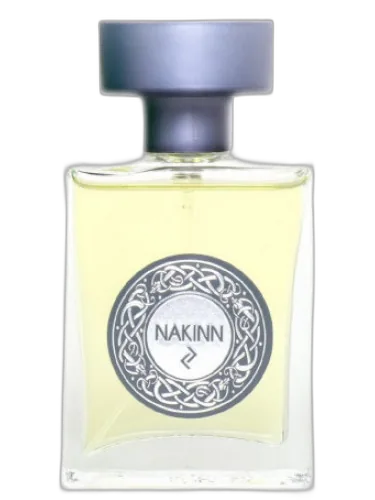
Dotti
Nakinn Dotti
Shared top notes: bergamot, tarragon
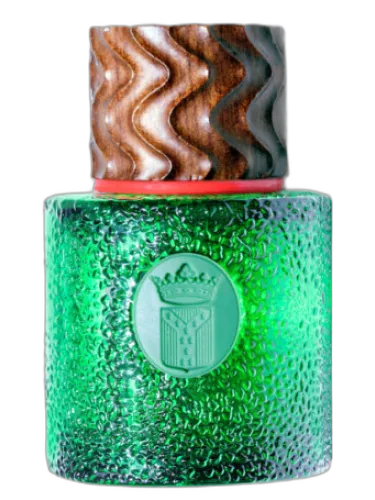
Taffin Fragrances
Le Vert N°7732 Taffin Fragrances
Shared base notes: haitian vetiver, virginia cedar