
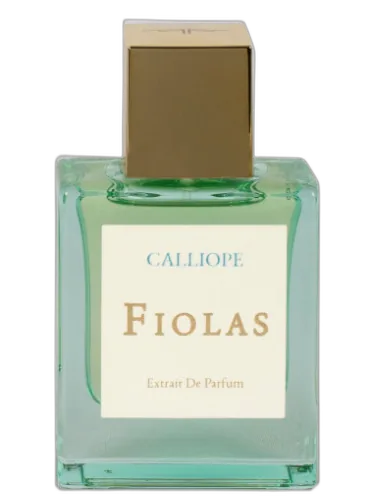

Calliope Fiolas
At a glance
Is Calliope Fiolas worth trying?
Calliope by Fiolas is a fragrance for women and men.
- Best match
- Evening wear in Fall
- Performance feel
- Very Good longevity with Moderate sillage
- Signature profile
- woody, citrus, aromatic with juniper berry, Clary Sage, Raspberry
The first impression
Calliope by Fiolas is a fragrance for women and men. This is a new fragrance. Calliope was launched in 2022. The nose behind this fragrance is Angéline Leporini. Top notes are juniper berry, Clary Sage, Raspberry, Bergamot, Lemon and Citruses; middle notes are Violet, Orris, Amber and Cashmere Wood; base notes are Cedarwood, Amber, Myrrh, Musk and Gurjan balsam.
What shapes the scent
The perfumer behind it

Angéline Leporini
Angéline Leporini is a French perfumer known for her work with major houses like Amouage and Ajmal. Her style balances fresh, citrusy accords with deeper woody and oriental notes, as seen in 4711 Acqua Colonia Yuzu & Cedarwood and Epic Woman. She also creates complex, opulent compositions such as Qasida Dahabia and the green, modern twist of 4711 Remix Green Oasis.
Notes pyramid
Top Notes
First impression · 15-30 min
 juniper berry
 Clary Sage
 Raspberry
 Bergamot
 Lemon
Lemon
 Citruses
Heart Notes
Core character · 2-4 hours
 Violet
Orris
Violet
Orris
 Amber
Cashmere Wood
Amber
Cashmere Wood
Base Notes
Lasting impression · 4+ hours
Cedarwood
Amber
 Myrrh
Myrrh
 Musk
Gurjan balsam
Musk
Gurjan balsam
The mood it creates
The Lover Archetype: Portrait of Calliope Fiolas
Essence
The one who adores Calliope Fiolas is most closely aligned with The Lover-an archetype defined by passion, aestheticism, and the pursuit of beauty in all things. This is not mere romanticism, but a deeper, almost Dionysian embrace of life’s sensory pleasures. The Lover seeks to be intoxicated by existence, to dissolve into the textures of experience, and Calliope Fiolas, with its blend of vanilla, pink pepper, and musk, is their olfactory manifesto.
Yet, like all archetypes, The Lover has a shadow. Where there is ecstasy, there may also be excess; where there is devotion, there may be obsession. The Calliope wearer walks this line-between the sublime and the self-indulgent, between enchantment and escapism.
Style & Aesthetic
For them, pleasure is not decadence but a form of wisdom. They reject the puritanical notion that joy must be earned; instead, they believe that to savor life is to affirm it. Their philosophy is one of amor fati-love of fate-but softened, made tender. They do not merely endure existence; they court it, seduce it.
Yet this devotion to beauty can become a kind of tyranny. They may grow impatient with the mundane, dismissive of those who do not share their refined tastes. There is a danger here-of mistaking aesthetics for depth, of valuing the vessel over the wine.
Relationships
In love, they are both generous and exacting. They adore deeply, but they also expect to be adored in return-not in the same way, but with equal intensity. Their relationships are marked by a near-mythic quality; they do not merely date, they compose love stories.
But the shadow of The Lover is idealization. They may fall for the idea of a person rather than the reality, setting impossible standards. When disillusionment comes-as it must-they can become cold, withdrawing into aesthetic solitude. Their challenge is to love the flawed as fiercely as they love the perfect.
Shadow
When unbalanced, The Lover becomes the Hedonist-chasing sensation to fill an inner void. They may indulge too freely in wine, in luxury, in fleeting romances, mistaking accumulation for fulfillment. And when the thrill fades, melancholy sets in. The very sensitivity that makes them appreciate beauty also makes them vulnerable to its ephemerality.
But in their best moments, they transcend this. They learn that true passion is not in possession, but in presence-in the ability to be fully awake to each fleeting, glorious moment.
Conclusion
The Calliope Fiolas wearer is a seeker of the sublime, a disciple of delight. They remind us that life is not merely to be lived, but to be felt-deeply, unapologetically. Their flaw is their strength taken too far; their strength is their flaw redeemed.
In the end, they are not just wearing a fragrance. They are composing an ode-to beauty, to desire, to the eternal yes of existence.
If you like this, try these
Fragrances with a comparable profile - shared accords, notes, and character.
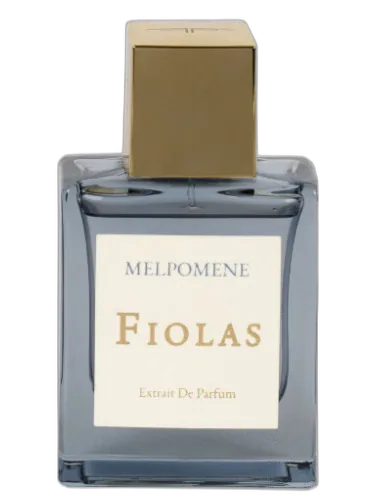
Fiolas
Melpomene Fiolas
Shared top notes: bergamot, citruses, clary sage
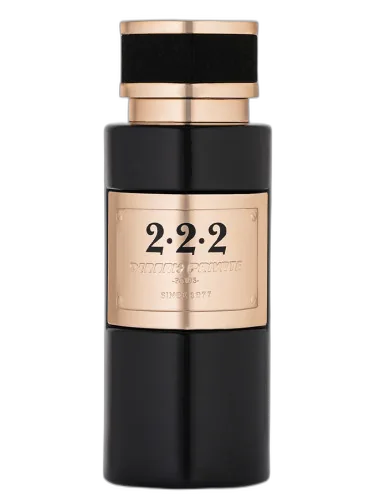
Deraah Private
222 Deraah Private
Shared top notes: bergamot, lemon
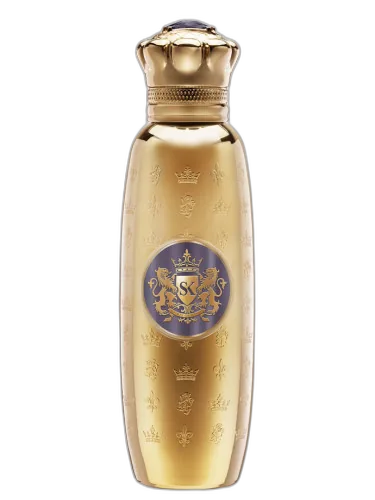
Spirit Of Kings
Acamar Spirit Of Kings
Shared top notes: bergamot, lemon

Zlaza
Parallel Souls Zlaza
Shared top notes: lemon

Pacifica
Beach Day Pacifica
Shared top notes: bergamot