


Badlands Firn Handcrafted
At a glance
Is Badlands Firn Handcrafted worth trying?
Badlands by Firn Handcrafted is a Leather fragrance for women and men.
- Best match
- Casual wear in Fall
- Performance feel
- Good longevity with Moderate sillage
- Signature profile
- woody, leather, aromatic with Cedarwood, Leather, juniper berry
The first impression
Badlands by Firn Handcrafted is a Leather fragrance for women and men. Badlands was launched during the 2020's. The nose behind this fragrance is Lisa Lindner.
What shapes the scent
The perfumer behind it

Lisa Lindner
Lisa Lindner is the perfumer for Firn Handcrafted, where she has created a range of fragrances including Argentum, Badlands, Cascadia, Cherry Blossom, Daphne Odora, Forage, Fresh Sweetgrass, and Golden Leaf. Her work draws inspiration from the natural landscapes of the Pacific Northwest. Lindner's scents are known for their earthy, botanical character and handcrafted quality.
Notes pyramid
All Notes
Complete scent profile
 Cedarwood
 Leather
juniper berry
Leather
juniper berry
 Petrichor
 Smoke
Smoke
 Tar
Tar
 Sage
Sage
The mood it creates
The Wanderer Archetype: Portrait of Badlands Firn Handcrafted
Essence
This person is most closely aligned with the Explorer archetype-a seeker of uncharted territories, both in the external world and within themselves. The scent of Badlands Firn Handcrafted, with its rugged, resinous fir, cold mineral notes, and an undercurrent of smoky warmth, speaks to a soul who thrives on the tension between wildness and refinement. The Explorer is not merely an adventurer but a philosopher of movement, one who measures life in experiences rather than possessions. They are drawn to the edges of things-the borderlands between civilization and wilderness, solitude and connection, discipline and abandon.
Style & Aesthetic
Their style is a paradox-structured yet untamed. They favor well-worn leather boots, linen shirts that soften with age, and wool coats that carry the scent of campfires. Their home is sparse but intentional: a few handcrafted wooden pieces, shelves lined with books on geology, mythology, and forgotten histories. They appreciate the weight of a good knife, the texture of unglazed pottery, the way light filters through dense forest canopies. Music for them is something felt in the bones-folk ballads, post-rock soundscapes, the hum of wind through pines.
They do not chase trends but are drawn to things that endure-materials that age beautifully, stories that outlive their tellers. Their taste in food leans toward the elemental: wild game, bitter greens, dark rye bread, single-malt whisky sipped slowly. Luxury, to them, is not opulence but authenticity-the kind that cannot be faked.
They live in cycles of exertion and retreat. One season finds them traversing mountain passes; the next, they are holed up in a cabin, writing or carving wood or repairing gear. They work to fund their freedom, not the other way around-freelance, seasonal jobs, trades that demand skill over routine. They are competent in emergencies, the kind of person who stays calm when others panic.
Yet they are not immune to restlessness. When trapped too long in one place, they grow irritable, picking fights over trivial things. They mistrust comfort, seeing it as a slow sedative. Their greatest challenge is learning that roots do not always mean imprisonment-that some things, like old-growth forests, need stability to reach their full grandeur.
Philosophy & Values
They believe in the sacredness of motion. Stagnation is a kind of death; routine, unless chosen deliberately, is a cage. Their morality is not rigid but fluid, shaped by direct experience rather than dogma. They value self-reliance but understand that true strength sometimes means knowing when to ask for help. Their spirituality, if they claim one, is rooted in the tangible-the way frost crystallizes on bark, the silence of a snow-covered field at dawn.
They are skeptical of institutions but deeply loyal to individuals who prove worthy. Their sense of justice is fierce but pragmatic-they have seen too much of the world to believe in perfect fairness, yet they will intervene when they witness true cruelty. Their greatest fear is not danger but irrelevance-living a life that leaves no mark, however subtle.
Relationships
They love deeply but sparingly. Their connections are intense, often forged in shared journeys-backpacking trips, late-night conversations by firelight, collaborations on some wild, half-impossible project. Yet they are not always present in the conventional sense. They disappear for weeks, sometimes months, returning with stories etched into their skin.
Romantically, they are drawn to those who understand solitude. They cannot abide clinginess, yet they crave a partner who can match their independence-someone who does not wait for them but walks their own path, intersecting at intervals. Their friendships are built on mutual respect for boundaries; they despise small talk but will discuss dreams, fears, and the nature of time for hours.
Shadow
The flip side of the Explorer is the Exile-the one who wanders not out of curiosity but because they no longer know how to stay. Their independence can curdle into isolation; their disdain for convention becomes a reflexive rejection of all structure. They may romanticize hardship, mistaking suffering for wisdom.
At their worst, they grow cynical, dismissing those who choose settled lives as "sleepwalkers." They may burn bridges, leaving lovers and friends bewildered in their wake, telling themselves it’s for the best. The irony is that in fleeing stagnation, they sometimes become predictable in their unpredictability-always leaving, never arriving.
Conclusion
The true test of the Explorer is not how far they roam but whether they can bring back what they’ve learned. The scent of Badlands Firn-both harsh and comforting-reminds them that wisdom lies in synthesis. The wild and the civilized are not opposites but complements. The best journeys, they come to realize, are those that lead back-changed, but whole.
If you like this, try these
Fragrances with a comparable profile - shared accords, notes, and character.
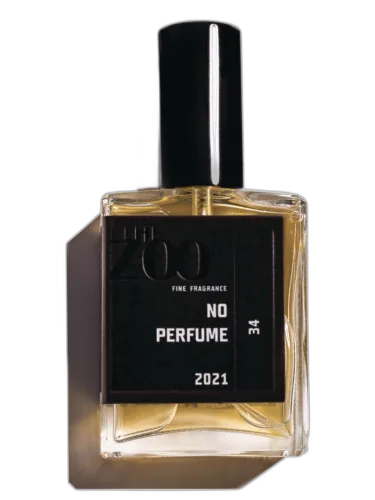
The Zoo
No Perfume The Zoo
Shared top notes: leather, smoke
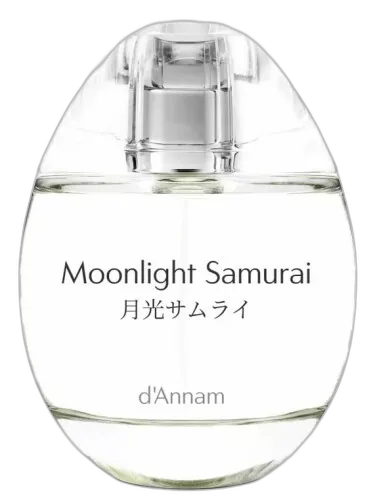
d'Annam
Moonlight Samurai D'annam
Shared top notes: cedarwood, leather
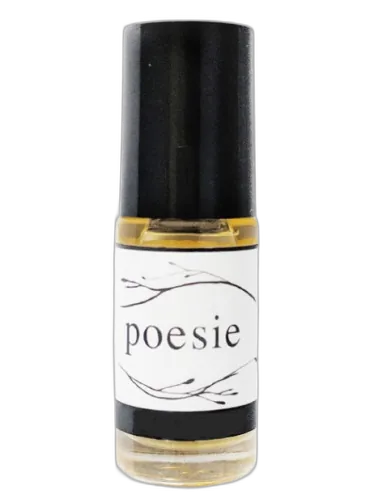
Poesie
Secret Boyfriend Poesie
Shared top notes: leather, smoke
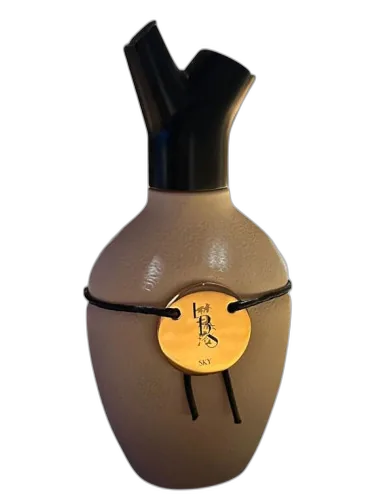
Scents of Wood
Sky Scents Of Wood
Shared top notes: leather, smoke
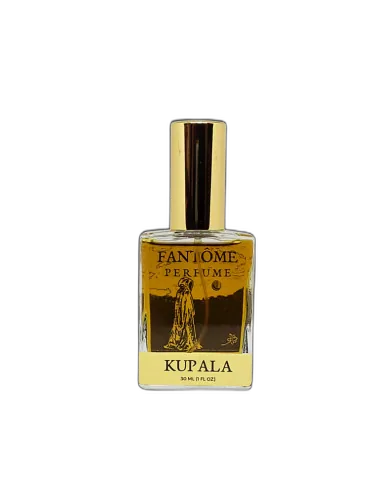
Fantôme
Kupala Fantôme
Shared top notes: smoke