


Fischersund No. 54 Fischersund
At a glance
Is Fischersund No. 54 Fischersund worth trying?
Fischersund No.
- Best match
- Evening wear in Fall
- Performance feel
- Good longevity with Moderate sillage
- Signature profile
- woody, aromatic, earthy with Rubber, Vetiver, Ammonia
The first impression
Fischersund No. 54 by Fischersund is a Oriental Woody fragrance for women and men. The nose behind this fragrance is Jón Þór Birgisson.
What shapes the scent
The perfumer behind it

Jón Þór Birgisson
Jón Þór Birgisson is an Icelandic perfumer and co-founder of the Reykjavík-based fragrance house Fischersund. His creative signature is deeply rooted in the raw, elemental scents of Iceland, blending smoky birch tar, moss, and volcanic minerals with unexpected notes like rhubarb and angelica. This approach is evident in his catalog, from the incense-like Fischersund No. 101 to the earthy, floral complexity of Flóð.
Notes pyramid
All Notes
Complete scent profile
 Rubber
 Vetiver
 Ammonia
 Leather
 Spices
 Fir
Fir
 Patchouli
 Musk
Musk
 Licorice
The mood it creates
The Wanderer Archetype: Portrait of Fischersund No. 54 Fischersund
Essence
This person is defined by the Seeker, an archetype that embodies restlessness, curiosity, and an unquenchable thirst for meaning. The Seeker is never fully at home in the world as it is; they are drawn to the edges of experience, to the liminal spaces where the familiar dissolves into the unknown. Fischersund No. 54-with its blend of smoky birch tar, crisp juniper, and the faintest whisper of sea salt-speaks to this archetype perfectly. It is a fragrance that evokes both warmth and distance, a scent for someone who carries the wilderness within them even in the heart of the city.
Philosophy & Values
Freedom is their highest ideal, but not in the shallow sense of mere rebellion. Their freedom is existential, a refusal to be defined by convention or expectation. They believe in the necessity of solitude, in the idea that one must sometimes disappear in order to return transformed. They are drawn to Stoicism, Zen Buddhism, or the writings of Camus-philosophies that embrace impermanence and the absurdity of human striving.
Yet, beneath this intellectual detachment lies a deep romanticism. They long for something ineffable-a moment of perfect clarity, a fleeting sense of belonging. This tension between idealism and skepticism defines them. They are neither cynic nor dreamer, but something in between: a realist who still hopes, despite themselves, for transcendence.
Shadow
The Seeker’s greatest strength is also their greatest flaw. Their refusal to settle can become a kind of rootlessness, a resistance to ever truly arriving. They may grow impatient with those who seem content with ordinary lives, dismissing them as complacent. At their worst, they romanticize their own alienation, mistaking solitude for depth.
There is also a subtle arrogance in their independence. They pride themselves on being self-sufficient, but this can make them emotionally guarded, even dismissive of those who need more stability. They may drift through relationships, leaving behind a trail of half-finished intimacies, always convinced that the next horizon holds something better.
Conclusion
Their tastes are refined but never ostentatious. They prefer raw, unpolished beauty-a hand-thrown ceramic mug over fine china, a well-worn leather jacket over designer labels. Their home is a carefully curated mix of natural textures and muted tones, with bookshelves that betray an insatiable hunger for philosophy, poetry, and obscure travelogues. They might collect vinyl records, not for nostalgia, but for the tactile ritual of listening, the way the needle crackles like a distant fire.
They move through the world with a quiet intensity, neither fully detached nor fully engaged. Their relationships are deep but few, built on intellectual and emotional resonance rather than obligation. They are drawn to people who challenge them, who force them to question their own assumptions. Yet, they struggle with commitment-not out of fear, but because they are always half-listening for another call, another path not yet taken.
If you like this, try these
Fragrances with a comparable profile - shared accords, notes, and character.

Pacifica
Enchanted Woods Pacifica
Shared top notes: patchouli, vetiver

Avon
Musk + > Storm Avon
Shared top notes: musk, patchouli
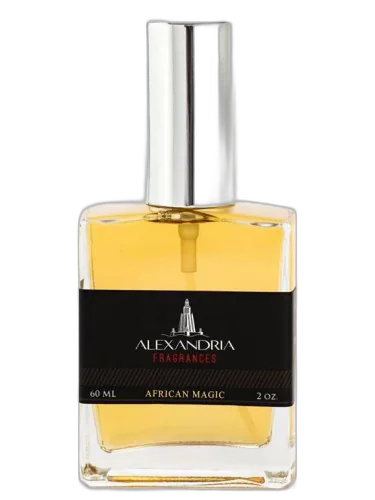
Alexandria Fragrances
African Magic Alexandria Fragrances
Shared top notes: leather, musk, patchouli
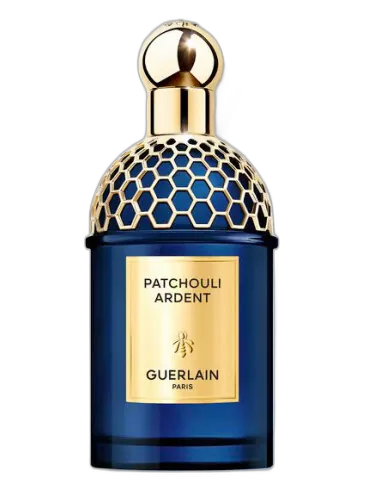
Guerlain
Patchouli Ardent Guerlain
Shared top notes: leather, musk, patchouli

Little Bottle Perfumes
Cedar Whispers Little Bottle Perfumes
Shared top notes: musk, patchouli, vetiver