
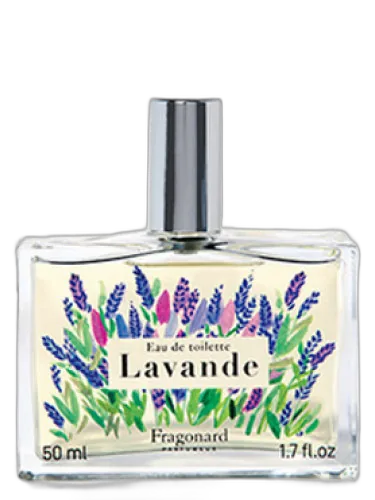
Lavande Fragonard
At a glance
Is Lavande Fragonard worth trying?
Lavande by Fragonard is a Floral fragrance for women.
- Best match
- Casual wear in Spring
- Performance feel
- Good longevity with Moderate sillage
- Signature profile
- aromatic, floral, fresh spicy with Myrtle, Wormwood, Clover
The first impression
Lavande by Fragonard is a Floral fragrance for women. Lavande was launched in 2019. The nose behind this fragrance is Celine Ellena. Top notes are Myrtle, Wormwood and Clover; middle notes are Lavender, Gentiana and Jasmine; base notes are Iris, Musk and Palisander Rosewood.
What shapes the scent
The perfumer behind it

Celine Ellena
Celine Ellena is a French perfumer who has created fragrances for 100 Bon, E. Marinella, and Fragonard. Her portfolio includes the warm Ambre & Tonka and the floral Mon Lys for Fragonard. She often explores natural ingredients like lavender and iris, resulting in elegant and accessible scents.
Notes pyramid
Top Notes
First impression · 15-30 min
 Myrtle
 Wormwood
 Clover
Heart Notes
Core character · 2-4 hours
 Lavender
 Gentiana
 Jasmine
Base Notes
Lasting impression · 4+ hours
 Iris
Iris
 Musk
Musk
 Palisander Rosewood
The mood it creates
The Sage Archetype: Portrait of Lavande Fragonard
Essence
Lavande Fragonard is a fragrance of quiet depth-clean yet warm, herbal yet softly floral. It evokes the sun-baked fields of Provence, the stillness of twilight, and the precision of an apothecary’s workshop. The person who chooses this scent is drawn to its balance of simplicity and sophistication, its ability to soothe without dulling the senses. They are not one for loud declarations or chaotic impressions; their presence is measured, their influence subtle.
At their core, this individual embodies the Sage archetype-the seeker of truth, the observer, the one who values knowledge and clarity above all else. Like lavender, which has long been associated with healing and mental clarity, they are drawn to understanding the world in its most distilled form. They are not merely intelligent, but discerning, filtering noise from signal with an almost instinctual precision.
Their mind is their sanctuary. They read voraciously, not for entertainment but for insight, favoring philosophy, history, and the sciences. They may be drawn to stoicism, Zen Buddhism, or the works of Jung himself, finding solace in systems that promise order beneath life’s chaos. They speak deliberately, weighing words before releasing them, and their advice is often sought-though not always heeded.
Style & Aesthetic
Their lifestyle reflects their inner world: structured yet not rigid, elegant yet unpretentious. Their home is a haven of muted tones, natural materials, and carefully chosen objects-antique books, a well-worn leather chair, a single vase of dried lavender on the windowsill. They prefer quality over quantity, investing in pieces that endure rather than trends that fade.
Their wardrobe is understated-linen, wool, soft neutrals-with perhaps a single striking detail: a vintage watch, a handcrafted ring. They move through the world with an air of quiet confidence, neither seeking attention nor shrinking from it. Their tastes in art and music lean toward the classical or minimalist, though they may harbor a secret fondness for something unexpectedly raw-a blues record, a bold abstract painting-that betrays a flicker of passion beneath their composed exterior.
Relationships
They do not collect friends; they cultivate them. Their circle is small but fiercely loyal, composed of those who appreciate their depth and respect their need for solitude. Romantic partners are drawn to their steadiness, their ability to listen without judgment, but may eventually chafe against their emotional reserve. They love deeply but quietly, expressing devotion through acts rather than words-a perfectly brewed cup of tea, a thoughtfully chosen book, the way they remember small details others overlook.
Yet this very restraint can become a barrier. Their reluctance to impose or burden others means they rarely ask for help, even when they need it. They may rationalize loneliness as independence, isolation as self-sufficiency. Their shadow is not volatility but detachment, a tendency to retreat into the mind when the heart grows too heavy.
Shadow
The Sage’s greatest strength-their intellect-can also be their prison. When unbalanced, they risk becoming the Hermit, withdrawing so completely into thought that they lose touch with life’s messier, more vital currents. They may dismiss emotion as irrational, passion as distraction, and in doing so, deny themselves the full spectrum of human experience.
Their pursuit of wisdom can harden into dogma. They may grow impatient with those who do not share their precision, their discipline, their relentless self-examination. At worst, they become the critic who sees flaws everywhere but offers no warmth, the philosopher who dissects love but never surrenders to it.
Conclusion
For the Sage to thrive, they must learn that wisdom without compassion is sterile, that clarity without connection is hollow. Lavender does not merely calm-it also heals. The true test of their philosophy is not in what they know, but in how they live.
If they can soften their edges, if they can allow themselves to be vulnerable, they become not just observers of life but participants in its richness. Their quiet strength then becomes a gift to others, their insight a light rather than a judgment. And in those rare moments when they let go-when they laugh freely, love fiercely, or simply sit in silence without analyzing it-they find the very thing they have always sought: not just understanding, but wholeness.
If you like this, try these
Fragrances with a comparable profile - shared accords, notes, and character.
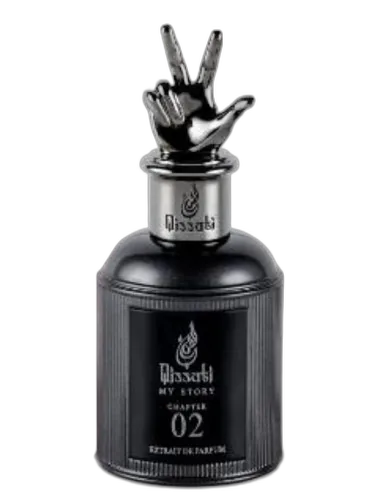
Qissati
Qissati Chapter 02 Qissati
Shared heart notes: jasmine, lavender

Zara
Energy Vibe Zara
Shared heart notes: jasmine, lavender
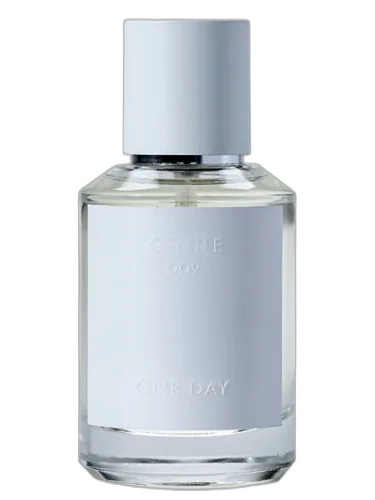
One Day
009 Gentle One Day
Shared heart notes: jasmine, lavender
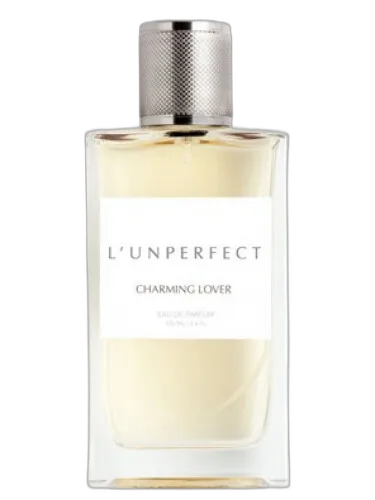
L'UNPERFECT
Charming Lover L'unperfect
Shared heart notes: jasmine, lavender

Francesco Vitelli Perfumes
Canadian Freedom Francesco Vitelli Perfumes
Shared heart notes: jasmine, lavender