
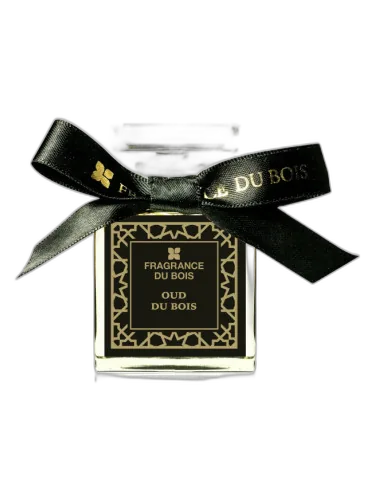

Oud Du Bois Fragrance Du Bois
At a glance
Is Oud Du Bois Fragrance Du Bois worth trying?
Oud du Bois by Fragrance Du Bois is a Woody Spicy fragrance for women and men.
- Best match
- Evening wear in Fall
- Performance feel
- Excellent longevity with Strong sillage
- Signature profile
- woody, animalic, warm spicy with Blackberry, Saffron, Citruses
The first impression
Oud du Bois by Fragrance Du Bois is a Woody Spicy fragrance for women and men. Oud du Bois was launched in 2020. The nose behind this fragrance is Shadi Samra. Top notes are Blackberry, Saffron and Citruses; middle note is Cambodian Oud; base notes are Indian Oud, Musk, Sandalwood, Cedar and Amber.
What shapes the scent
The perfumer behind it

Shadi Samra
Shadi Samra is a perfumer who has developed fragrances for both AAWED and AZD brands. His AAWED creations include Great Ocean Road, La Foce Vita, and Meguro River, while for AZD he crafted Sino and Smoke. Samra's work spans a variety of inspirations, from natural landscapes to abstract concepts.
Notes pyramid
Top Notes
First impression · 15-30 min
 Blackberry
 Saffron
 Citruses
Heart Notes
Core character · 2-4 hours
 Cambodian Oud
Base Notes
Lasting impression · 4+ hours
 Indian Oud
 Musk
Musk
 Sandalwood
 Cedar
Cedar
 Amber
Amber
The mood it creates
The Lover Archetype: Portrait of Oud Du Bois Fragrance Du Bois
Essence
To wear Oud Du Bois is to carry the weight of history and the whisper of hidden knowledge. This is not a fragrance for the frivolous or the faint of heart-it is the scent of someone who seeks depth, who values the rare and the refined, who moves through the world with quiet authority. The person who chooses this fragrance is, at their core, a Sage, an archetype defined by wisdom, introspection, and a relentless pursuit of truth.
The Sage is drawn to the mysteries of life, to the unseen patterns beneath the surface. They are the quiet observer in the corner of the room, the one who listens more than they speak, who absorbs the world before offering judgment. Their mind is a labyrinth of ideas, and their presence exudes a calm assurance-they do not need to prove themselves, for they know their worth.
Their tastes are deliberate, refined without being ostentatious. They prefer the understated luxury of aged leather, dark woods, and well-worn books over flashy displays of wealth. Their wardrobe is a study in timelessness-tailored but never trendy, rich in texture but subdued in color. They move through life with an air of quiet confidence, as if they have already seen the end of the story and are merely waiting for others to catch up.
Philosophy is not an abstract exercise for them; it is a way of life. They are drawn to thinkers who challenge convention-Nietzsche, Jung, Camus-those who dare to question the foundations of existence. They believe in the power of knowledge but are wary of dogma. Truth, to them, is not fixed but fluid, something to be pursued rather than possessed.
Shadow
Yet wisdom, when unchecked, can become its own prison. The Sage’s relentless pursuit of truth can sometimes harden into cynicism, a belief that they alone see the world clearly. They may grow impatient with those who do not share their depth, dismissing emotion as weakness or passion as naivety. This is the shadow of the Sage-the Hermit, who withdraws too far, who mistakes isolation for enlightenment.
Their flaw is not ignorance but arrogance-the subtle conviction that their way of seeing is superior. They may struggle with vulnerability, preferring the safety of intellect over the messiness of raw emotion. Love, for them, can become an intellectual exercise rather than a lived experience.
And then there is the danger of stagnation. The Sage who becomes too comfortable in their wisdom risks becoming a relic, a mind so steeped in thought that it forgets to act. Life is not merely to be understood but to be lived, and the Sage must occasionally step out of the library and into the storm.
Conclusion
The Sage’s greatest strength is their ability to see beyond the immediate. Where others react, they reflect. They are the steady hand in chaos, the voice of reason in heated debates. Their insights are often profound, cutting through illusions with precision. People seek them out for counsel, sensing that they offer not just answers but perspective.
In relationships, they are loyal but not clingy. They value depth over quantity, preferring a few meaningful connections to a crowd of acquaintances. Their love is not loud or effusive, but it is enduring-a slow burn rather than a fleeting spark. They choose partners who can match their intellect, who challenge them without needing to dominate them.
Their lifestyle is one of deliberate solitude and selective engagement. They may be drawn to professions that reward deep thought-academia, writing, psychology, or even the esoteric arts. They thrive in environments where silence is respected, where ideas can breathe.
If you like this, try these
Fragrances with a comparable profile - shared accords, notes, and character.
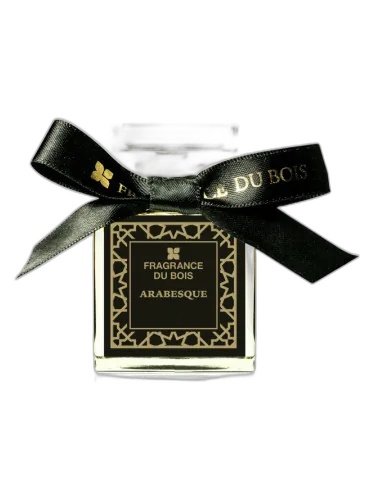
Fragrance Du Bois
Arabesque Fragrance Du Bois
Shared top notes: blackberry, citruses, saffron

Once
Explosea Once
Shared top notes: citruses, saffron

Cacharel
Promesse Cacharel
Shared top notes: blackberry
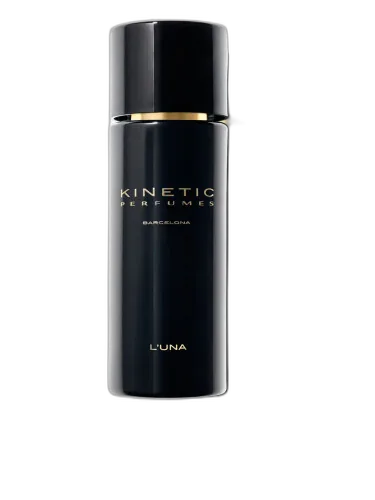
Kinetic Perfumes
L'una Kinetic Perfumes
Shared top notes: saffron

Proad
Cherry Syrup Blue Proad
Shared top notes: blackberry