
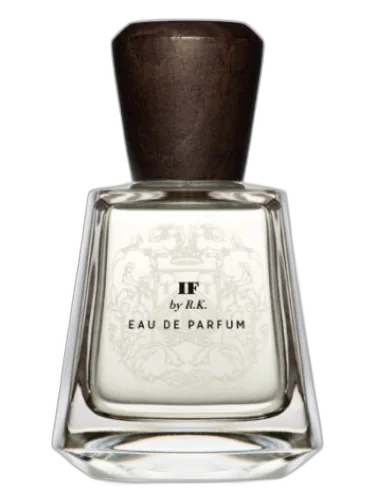

If By R.k. Frapin
Fragrance Story
IF by R.K. by Frapin is a Woody fragrance for women and men. IF by R.K. was launched in 2019. The nose behind this fragrance is Anne-Sophie Behaghel. Top notes are Ginger, Black Pepper and Bergamot; middle notes are Fig, Cashmeran and Cinnamon; base notes are Sandalwood, Guaiac Wood, Tonka Bean and Patchouli.
Composition Profile
About the Perfumer

Anne-Sophie Behaghel
Anne-Sophie Behaghel is a French perfumer known for her work with independent and niche fragrance houses. Her style often blends natural and synthetic elements to create bold, textural compositions with a modern edge. She has created distinctive scents for Adi Ale Van, including the floral-powdery Hai Hui Flower Power and the earthy Mioritic, as well as the mineral-driven Sel d'Argent for BDK Parfums. Her work continues to push boundaries in contemporary perfumery.
Fragrance Notes
Top Notes
First impression · 15-30 min
 Ginger
 Black Pepper
 Bergamot
Heart Notes
Core character · 2-4 hours
 Fig
Fig
 Cashmeran
 Cinnamon
Base Notes
Lasting impression · 4+ hours
 Sandalwood
 Guaiac Wood
 Tonka Bean
 Patchouli
If By R.k. Frapin by Frapin offers a distinctive olfactory experience that stands out from other fragrances in its category.
Crafted with the finest ingredients and a blend of traditional and modern perfumery techniques, this fragrance represents the pinnacle of the perfumer's art.
If By R.k. Frapin embodies the distinctive style of Frapin while adding a unique chapter to their fragrance portfolio.
Character Profile
The Alchemist Archetype: Portrait of If By R.k. Frapin
Essence
The one who wears If By R.K. Frapin is a modern-day Sage-an intellectual seeker, a connoisseur of hidden meanings, a mind that distills life into its most refined essences. This fragrance, with its interplay of rum, leather, and immortelle, is not merely worn but decoded. Like the Sage, they are drawn to complexity, to the subtle alchemy of ideas and sensations that others might overlook. They are not content with the obvious; they crave the layered, the enigmatic, the slightly arcane.
This archetype thrives on wisdom, but not the dry, academic kind-rather, the kind that is lived, tasted, inhaled. They are the quiet observer in the corner of the room, the one who listens more than they speak, but when they do, their words carry weight.
Relationships
They do not collect friends; they cultivate them. Their circle is small, their trust earned slowly. They are drawn to people who can match their intellectual curiosity, who appreciate the unspoken as much as the spoken. In love, they are neither possessive nor indifferent-they seek a partner who is both an equal and a mystery, someone who can converse deeply but also leave room for silence.
Yet, their selectivity can tip into isolation. They may dismiss others too quickly, mistaking their own discernment for superiority. Their shadow is the Hermit-the one who retreats so far into their own mind that they forget how to be present in the world.
Shadow
The Sage’s greatest strength is also their weakness: their relentless pursuit of depth can become a form of evasion. They may disdain the mundane, the unpolished, the imperfectly human. In their quest for the sublime, they risk becoming spectators of life rather than participants.
There is also a danger of intellectual pride. They might grow impatient with those who do not share their tastes, dismissing simpler pleasures as vulgar or shallow. This is the trap of the Sage-to mistake knowledge for wisdom, refinement for truth.
Conclusion
Their tastes are deliberate, almost ritualistic. They prefer the texture of aged paper to the glare of a screen, the slow burn of a single-malt whiskey to the immediacy of a cocktail. Their wardrobe is understated but precise-linen that wrinkles just so, leather shoes that have been broken in but never scuffed carelessly. They are drawn to the patina of time, to objects and experiences that bear the marks of thoughtful use.
Philosophically, they are neither optimists nor pessimists but alchemists-they believe in transformation, in the possibility of refining raw experience into something richer. They might quote Heraclitus or Pessoa in conversation, not to show off but because these thinkers articulate something they feel in their bones.
Similar Fragrances
Fragrances with a comparable profile - shared accords, notes, and character.

Ladanika
Bel-goruch Kamen Бел-горюч Камень Ladanika
Shared accords: fruity, powdery, sweet

Kayali Fragrances
Vanilla Candy Rock Sugar | 42 Kayali Fragrances
Shared accords: fruity, powdery, sweet

Jequiti
As Meninas Superpoderosas Jequiti
Shared accords: fruity, powdery, sweet
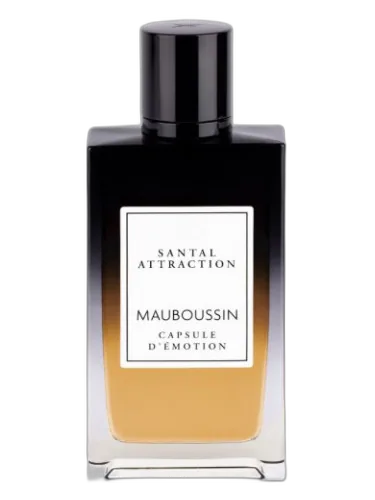
Mauboussin
Santal Attraction Mauboussin
Shared accords: fruity, powdery, sweet
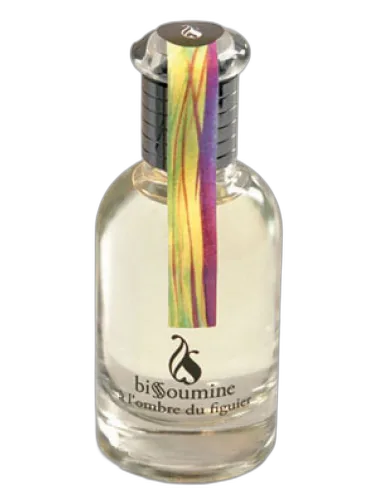
Bissoumine
A L'ombre Du Figuier Bissoumine
Shared accords: fruity, powdery, sweet