
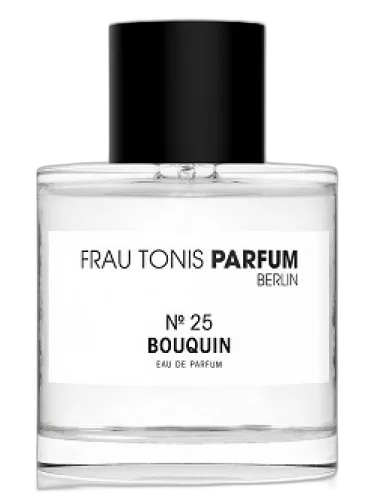

No. 25 Bouquin Frau Tonis Parfum
At a glance
Is No. 25 Bouquin Frau Tonis Parfum worth trying?
No.
- Best match
- Evening wear in Fall
- Performance feel
- Excellent longevity with Moderate sillage
- Signature profile
- powdery, citrus, violet with Sandalwood, Bergamot Blossom, Sicilian Lemon
The first impression
No. 25 Bouquin by Frau Tonis Parfum is a Oriental Floral fragrance for women and men. No. 25 Bouquin was launched in 2018.
What shapes the scent
The perfumer behind it

Frau Tonis
Frau Tonis creates minimalist, Berlin-inspired fragrances with a focus on clarity. Their scents often highlight single notes or simple accords for a modern effect. The brand favors clean lines and understated elegance. Their work appeals to those who appreciate precision in perfumery.
Notes pyramid
All Notes
Complete scent profile
 Sandalwood
 Bergamot Blossom
 Sicilian Lemon
Italian Iris
Sicilian Lemon
Italian Iris
 Amber
Amber
 Violet
White Musk
Madagascar Vanilla
Violet
White Musk
Madagascar Vanilla
 Cardamom
 Rose
Rose
The mood it creates
The No Archetype: Portrait of No. 25 Bouquin Frau Tonis Parfum
Essence
This person is, above all, a Sage-a seeker of knowledge, a curator of hidden truths, and a guardian of the written word. The fragrance they adore, No. 25 Bouquin Frau Tonis, is not merely a scent but an olfactory manifesto: leather-bound books, aged paper, ink, and a whisper of tobacco. It is the perfume of quiet libraries, of midnight musings, of a mind that thrives in the liminal space between reality and imagination. The Sage does not chase loud declarations; they prefer the slow unfurling of meaning, the kind that reveals itself only to those patient enough to wait.
Relationships
They do not collect acquaintances. Their friendships are few but profound, built on shared intellectual passions and mutual respect for silence. They are the confidant who listens more than they speak, the one who offers not platitudes but a single, piercing question that unravels an entire dilemma. Romantic partners must understand their need for solitude; they are not cold, but their love is expressed in quiet gestures-a book left on a pillow, a handwritten note slipped into a coat pocket.
Yet, their relationships suffer from their tendency to intellectualize emotion. They may retreat into analysis when confronted with raw feeling, dissecting love or grief as if it were a text to be annotated rather than lived. This can make them seem distant, even when they care deeply.
Shadow
The Sage’s greatest flaw is their isolation-both chosen and involuntary. Their love of depth can become a prison; they may dismiss anything too simple, too emotional, or too popular as unworthy of their time. They risk becoming dogmatic in their skepticism, mistaking cynicism for wisdom.
At their worst, they are haunted by the fear of irrelevance. They have spent years refining their mind, but what if the world no longer values such refinement? This anxiety can manifest as elitism-a quiet disdain for those who do not share their tastes-or as paralysis, an overthinking that prevents action.
Conclusion
Their tastes are deliberate, refined, and often anachronistic. They might prefer antique bookshops to modern bookstores, handwritten letters to digital messages, vinyl records to streaming algorithms. Their home is a sanctuary of carefully chosen objects-vintage typewriters, well-worn Persian rugs, a collection of fountain pens. They do not follow trends; they curate their existence like a rare manuscript, each element chosen for its depth rather than its shine.
Philosophically, they are drawn to stoicism, existentialism, and the quiet rebellion of the introspective life. They believe in the power of solitude, in the necessity of doubt, in the idea that wisdom is earned through friction-not bestowed by authority. They may quote Nietzsche, Pessoa, or Woolf in conversation, not to impress but because these voices feel like old friends.
If you like this, try these
Fragrances with a comparable profile - shared accords, notes, and character.
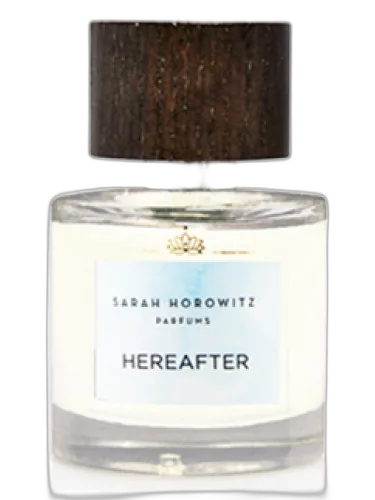
Sarah Horowitz Parfums
Hereafter Sarah Horowitz Parfums
Shared top notes: amber, cardamom, sandalwood
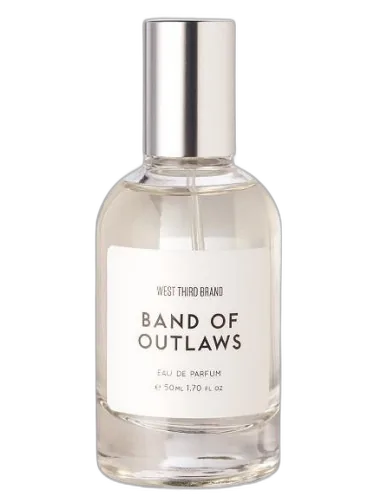
West Third Brand
Band Of Outlaws West Third Brand
Shared top notes: cardamom, sandalwood, violet

Allen Shaw
No. 3 Allen Shaw
Shared top notes: cardamom, sandalwood, violet
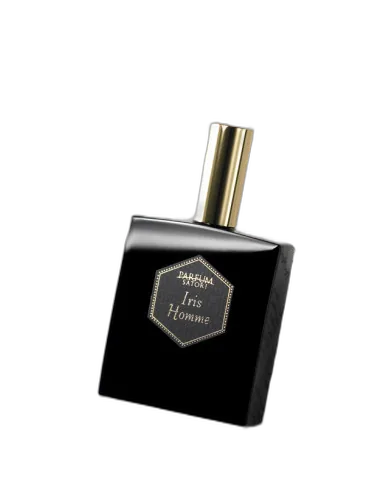
Parfum Satori
Iris Homme Parfum Satori
Shared top notes: cardamom
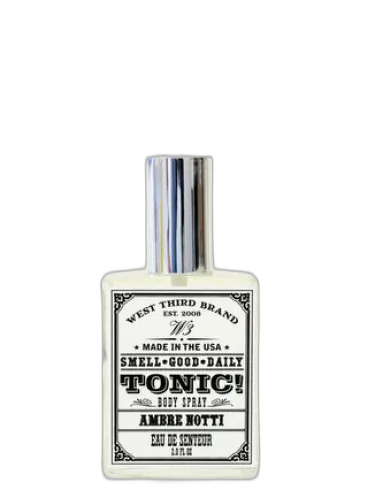
West Third Brand
Ambre Notti West Third Brand
Shared top notes: amber, sandalwood, white musk