
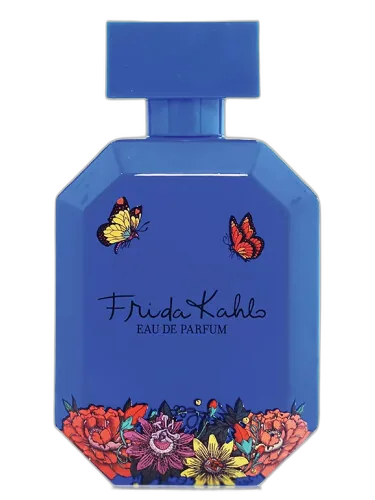

Frida Kahlo Blue Frida Kahlo Perfumes
At a glance
Is Frida Kahlo Blue Frida Kahlo Perfumes worth trying?
Frida Kahlo Blue by Frida Kahlo Perfumes is a Floral Fruity Gourmand fragrance for women.
- Best match
- Evening wear in Summer
- Performance feel
- Good longevity with Moderate sillage
- Signature profile
- sweet, vanilla, white floral with Coconut, Agave, Pear
The first impression
Frida Kahlo Blue by Frida Kahlo Perfumes is a Floral Fruity Gourmand fragrance for women. This is a new fragrance. Frida Kahlo Blue was launched in 2024. Top notes are Coconut, Agave and Pear; middle notes are Orange Blossom, Orchid and Jasmine; base notes are Tonka Bean, Mexican Vanilla and Amber.
What shapes the scent
The perfumer behind it

Unknown Perfumer
Notes pyramid
Top Notes
First impression · 15-30 min
 Coconut
 Agave
Agave
 Pear
Pear
Heart Notes
Core character · 2-4 hours
 Orange Blossom
 Orchid
 Jasmine
Base Notes
Lasting impression · 4+ hours
 Tonka Bean
 Mexican Vanilla
 Amber
Amber
The mood it creates
The Lover Archetype: Portrait of Frida Kahlo Blue Frida Kahlo Perfumes
Essence
To wear Frida Kahlo Blue is to embrace a fragrance that embodies both the wild spirit of the artist and the deep, melancholic beauty of her life. This scent-bold yet introspective, floral yet earthy-speaks to a soul who thrives on intensity, sensuality, and emotional authenticity. The person who chooses this perfume is not merely drawn to its notes of tuberose, vanilla, and incense; they resonate with its essence-a blend of passion, pain, and unapologetic individuality.
At their core, this individual is defined by the Lover archetype, one of Jung’s primal patterns of the psyche. The Lover lives for deep connection-to people, art, nature, and even suffering. They seek beauty in all things, often with an almost religious fervor. Their philosophy is one of immersion: to feel life fully, even when it wounds them.
They are drawn to the arts-painting, poetry, music-not as passive admirers but as participants. They might write feverishly in journals, dance alone in dimly lit rooms, or lose themselves in the colors of a sunset. Their tastes are eclectic but never shallow; they prefer the raw over the polished, the imperfect over the sterile. In fashion, they favor flowing fabrics, rich textures, and bold accents-perhaps a deep blue shawl, a silver ring with an antique patina, or a single red flower tucked behind the ear.
Shadow
Yet, like Frida Kahlo herself, this intensity has its perils. The shadow of the Lover is emotional excess-a tendency to romanticize pain, to linger too long in heartbreak, to confuse suffering with depth. They may become addicted to the drama of their own emotions, mistaking chaos for passion.
In relationships, they risk idealization and disillusionment. They fall in love with the idea of a person, only to feel betrayed when reality fails to match their fantasy. Their partners may feel suffocated by their need for constant emotional intensity, or exhausted by their refusal to settle into quiet contentment.
They also struggle with self-neglect. In their pursuit of beauty and feeling, they may ignore practical needs-financial stability, health, boundaries. Like Kahlo, who painted through physical agony, they might glorify their own suffering, wearing it as a badge of honor rather than seeking healing.
Conclusion
Their greatest strength is their capacity for emotional depth. They do not love half-heartedly; when they commit-to a person, a cause, a creative pursuit-they do so with their entire being. Their relationships are intense, marked by fierce loyalty and a willingness to explore the shadows alongside the light. They are the kind of person who remembers anniversaries not just with gifts, but with handwritten letters that unravel the soul.
They value truth over comfort, often rejecting societal norms that demand emotional restraint. Their vulnerability is their power-they are unafraid to weep openly, to declare love recklessly, to stand alone in their convictions. This makes them magnetic; others are drawn to their authenticity, sensing that here is someone who truly lives.
If you like this, try these
Fragrances with a comparable profile - shared accords, notes, and character.
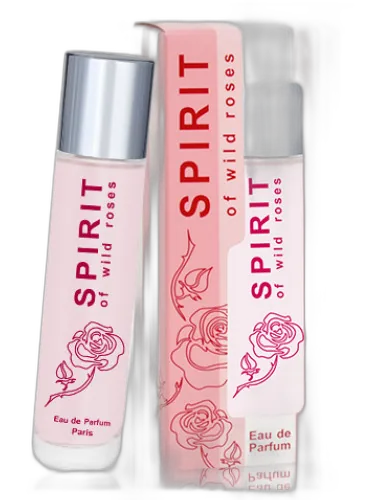
Spirit
Spirit Of Wild Roses Spirit
Shared heart notes: jasmine, orange blossom
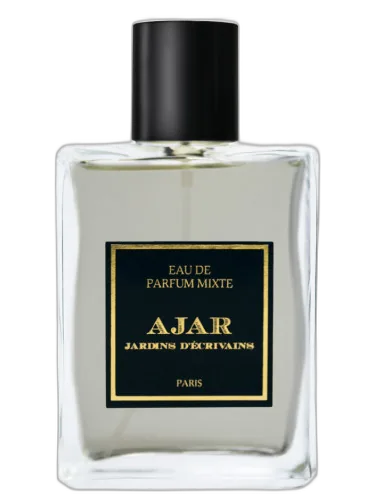
Jardins d’Ecrivains
Ajar Jardins D’ecrivains
Shared top notes: pear
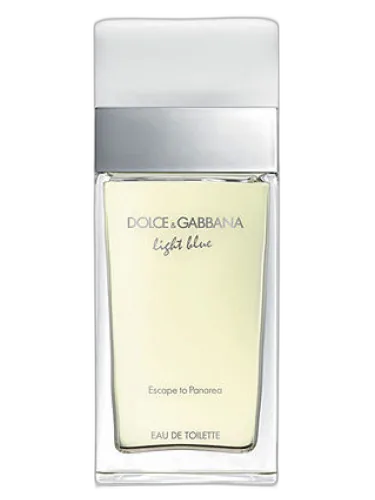
Dolce&Gabbana
Light Blue Escape To Panarea Dolce&gabbana
Shared top notes: pear
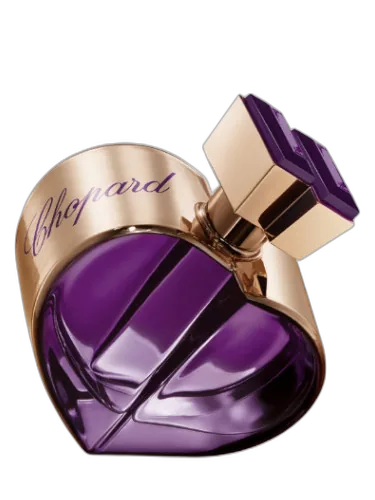
Chopard
Happy Spirit Amira D’amour Chopard
Shared heart notes: jasmine, orange blossom

Le Labo
Jasmin 17 Perfume Oil Le Labo
Shared heart notes: jasmine, orange blossom