
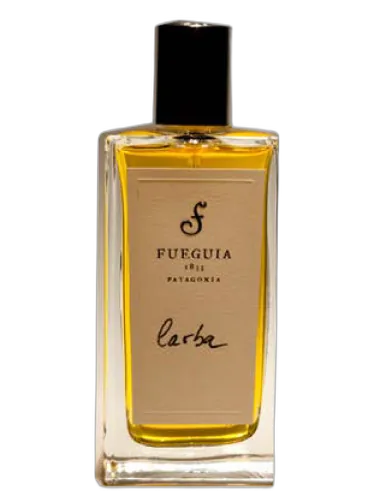
Caoba Fueguia 1833
At a glance
Is Caoba Fueguia 1833 worth trying?
Caoba by Fueguia 1833 is a Woody fragrance for women and men.
- Best match
- Evening, Special Occasion wear in Fall, Winter
- Performance feel
- Good longevity with Moderate sillage
- Signature profile
- patchouli, warm spicy, cacao with Patchouli, Cacao Pod, Ambergris
The first impression
Caoba by Fueguia 1833 is a Woody fragrance for women and men. Caoba was launched in 2010. The nose behind this fragrance is Julian Bedel. Top note is Patchouli; middle note is Cacao Pod; base note is Ambergris.
What shapes the scent
The perfumer behind it

Julian Bedel
Julian Bedel is a perfumer for Fueguia 1833, an Argentine niche fragrance house. His catalog includes Acacia, Agua De Gardenia, and Agua Magnoliana, as well as Aguila De Ambar, Alba, Alhambra, Alma, and Amalia Gourmand. His compositions often draw from natural ingredients and South American inspirations.
Notes pyramid
Top Notes
First impression · 15-30 min
 Patchouli
Heart Notes
Core character · 2-4 hours
 Cacao Pod
Base Notes
Lasting impression · 4+ hours
 Ambergris
The mood it creates
The Alchemist Archetype: Portrait of Caoba Fueguia 1833
Essence
The Alchemist is the transformer, the one who works with the raw materials of the earth to create something new and precious. Caoba is their signature blend, a deep, earthy fusion of patchouli and cacao pod, grounded by the ancient, salty warmth of ambergris. This is not a fragrance of light and air; it is a scent of the soil, the forest floor, the dark, fertile places where magic is born. It is the smell of a workshop filled with dried herbs, tinctures, and the patient work of transformation.
Style & Aesthetic
Their style is rugged and organic, favoring leather, wool, and linen in deep, natural hues-forest green, rust, charcoal. They are practical and unpretentious, their clothes chosen for durability and comfort rather than display. Their hands are often stained with earth or ink, and their spaces are filled with the tools of their craft: jars of dried plants, notebooks of formulas, and the quiet hum of a still. They are the person who can fix anything, make anything, and who finds beauty in the imperfect and the handmade.
Philosophy & Values
They believe in the power of process, of patience, of working with the natural world rather than against it. For them, value is not found in rarity but in the care and intention applied to creation. They are drawn to the cycles of nature-the decay and rebirth, the slow work of time. They value skill, knowledge, and the wisdom that comes from hands-on experience. They are skeptical of shortcuts and quick fixes, knowing that true transformation requires heat, pressure, and time.
Relationships
They are a steady, reliable presence, the person you turn to when you need something built or fixed, or when you need a grounded perspective. They are not effusive with emotion but show their love through acts of service and thoughtful gifts. Their romantic relationships are partnerships of equals, built on mutual respect and shared projects. They are happiest when working alongside a loved one, whether in a garden, a kitchen, or a workshop, creating something tangible together.
Lifestyle
Their life is one of craft and ritual. They might start the day with a walk in the woods, gathering herbs or simply observing the changes in the landscape. Their home is a living laboratory, filled with the smells of drying plants, fermenting foods, and the warm, earthy scent of patchouli. They are drawn to traditional skills: baking bread, brewing beer, tanning leather, distilling essential oils. Their evenings are spent by the fire, reading, writing, or working on a slow, patient project.
Shadow
The Alchemist’s shadow is the hoarder, the one who becomes so attached to their materials and processes that they cannot let go. They may become isolated in their work, mistaking the accumulation of knowledge and things for true wisdom. The shadow of Caoba is the risk of becoming mired in the earthy, the heavy, the material-of losing sight of the spirit in the pursuit of the craft. They must remember that the goal of alchemy is not the gold but the transformation of the self.
Conclusion
Caoba is the scent of the Alchemist at work-a deep, earthy, and animalic blend that speaks of patience, craft, and the slow magic of transformation. It is a fragrance for those who find beauty in the raw and the real, who are not afraid to get their hands dirty in the pursuit of something true. To wear it is to carry the scent of the earth and the promise of what it can become.
If you like this, try these
Fragrances with a comparable profile - shared accords, notes, and character.
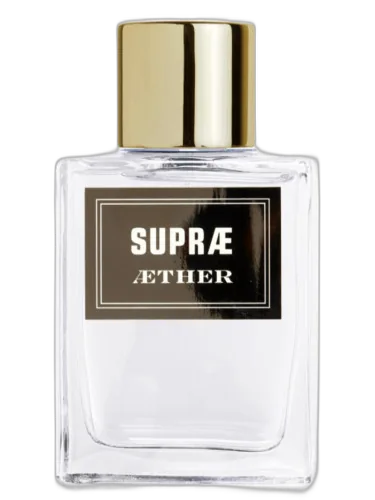
Aether
Suprae Aether
Shared top notes: patchouli
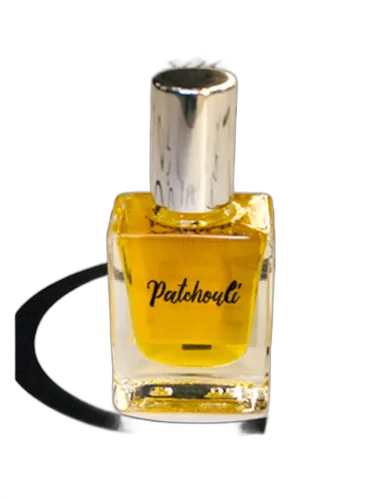
Serenity + Scott
Patchouli Serenity + Scott
Shared top notes: patchouli

Le Labo
Patchouli 24 Le Labo
Shared top notes: patchouli
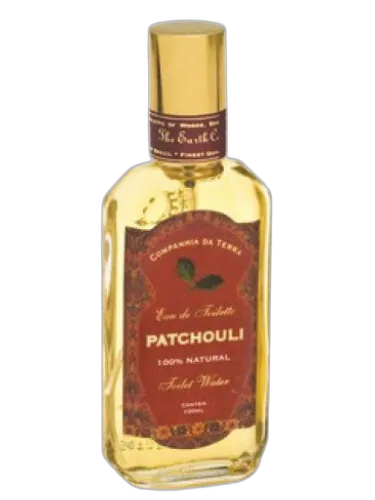
Companhia da Terra
Patchouli Companhia Da Terra
Shared top notes: patchouli
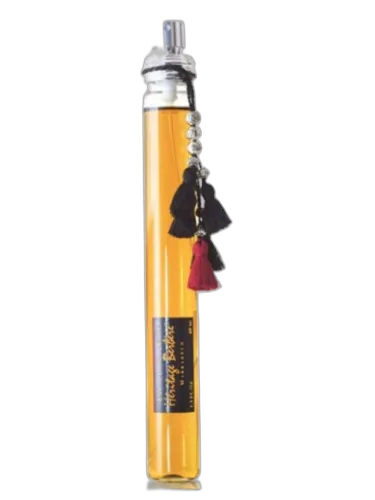
Héritage Berbère
Patchouli Héritage Berbère
Shared top notes: patchouli