


La Luna Fueguia 1833
At a glance
Is La Luna Fueguia 1833 worth trying?
La Luna by Fueguia 1833 is a Woody fragrance for women and men.
- Best match
- Evening wear in Fall
- Performance feel
- Good longevity with Moderate sillage
- Signature profile
- amber, warm spicy, balsamic with Copal, Copaiba balm, Amyris
The first impression
La Luna by Fueguia 1833 is a Woody fragrance for women and men. La Luna was launched in 2020. The nose behind this fragrance is Julian Bedel.
What shapes the scent
The perfumer behind it

Julian Bedel
Julian Bedel is a perfumer for Fueguia 1833, an Argentine niche fragrance house. His catalog includes Acacia, Agua De Gardenia, and Agua Magnoliana, as well as Aguila De Ambar, Alba, Alhambra, Alma, and Amalia Gourmand. His compositions often draw from natural ingredients and South American inspirations.
Notes pyramid
All Notes
Complete scent profile
 Copal
Copal
 Copaiba balm
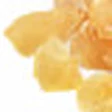 Amyris
The mood it creates
The La Luna Enthusiast Archetype: Portrait of La Luna Fueguia 1833
Essence
The person who cherishes La Luna by Fueguia 1833 is defined by the Mystic archetype-a seeker of hidden truths, drawn to the liminal spaces between reality and the unseen. They are not content with the surface of things; they crave the depths, the whispers of the moon, the scent of something just beyond reach. La Luna, with its ethereal blend of jasmine, incense, and the faint metallic tang of lunar mystery, mirrors their soul: luminous yet shadowed, intoxicating yet elusive.
The Mystic does not merely wear fragrance; they commune with it. For them, scent is an incantation, a way to summon the intangible. They are the kind of person who lingers at dusk, who feels the pull of the moon’s gravity, who believes in the magic of thresholds-between day and night, between the known and the unknown.
Style & Aesthetic
Their style is a reflection of their inner world: mysterious, textured, deliberate. They favor deep hues-midnight blues, charcoal grays, the occasional flash of silver or gold like moonlight on water. Fabrics are tactile: raw silk, aged leather, linen that carries the memory of touch.
They are drawn to antique jewelry, not for its monetary value, but for the stories it holds. A ring with a worn inscription, a locket with a forgotten portrait-these are talismans to them. Their home is a sanctuary of shadows and candlelight, where books on mythology sit beside rare incense burners.
Their days are structured around rituals of introspection. Morning might begin with black coffee and a tarot reading; evenings are for journaling by candlelight. They are not bound by conventional productivity-their work, whether artistic or intellectual, moves at the pace of revelation.
They are drawn to solitary travel, preferably to places with a haunted beauty: abandoned monasteries, mist-covered forests, deserts at twilight. They collect experiences like rare spices, storing them away to be savored in memory.
Philosophy & Values
Their philosophy is one of sacred curiosity. They reject the tyranny of the literal, preferring instead the language of symbols, dreams, and intuition. They might be drawn to esoteric traditions-alchemy, astrology, or the occult-not out of superstition, but because these systems offer a richer, more poetic way of interpreting existence.
They value depth over dogma, intuition over instruction. Their moral compass is guided by an inner knowing rather than external rules, which grants them remarkable insight but can also isolate them from those who prefer certainty. They believe in the transformative power of beauty-not as mere decoration, but as a force that alters consciousness.
Relationships
In love and friendship, they are intense but not possessive. They crave connections that feel fated, encounters that seem to unfold under a rare celestial alignment. Yet, they are wary of those who demand too much-too much explanation, too much mundanity.
Their relationships thrive on mystery and mutual fascination. They are the confidant who listens with uncanny perception, the lover who leaves a single handwritten note instead of a text. But their shadow side is emotional withdrawal-when the world feels too harsh, they retreat into their inner sanctum, leaving others wondering if they were ever truly present.
Shadow
The Mystic’s greatest strength-their depth-is also their peril. When unbalanced, they can become lost in their own labyrinth, mistaking solitude for wisdom, obscurity for profundity. They may grow disdainful of those who live in the daylight world, dismissing them as shallow.
Their refusal to conform can harden into self-imposed exile, leaving them stranded between worlds-too strange for the ordinary, too human for the divine. The intoxicating allure of La Luna can, at times, become a siren call into isolation.
Conclusion
To love La Luna is to embrace the beauty of the in-between. This person is neither fully of this world nor entirely beyond it. They are the one who stands at the edge of the forest at midnight, half in shadow, half in silver light-waiting, watching, wondering.
They are the keeper of mysteries, the one who reminds us that not everything needs to be explained. And in their finest moments, they teach us that the most profound truths are not spoken, but sensed-like the faint, haunting trail of a fragrance just before it disappears.
If you like this, try these
Fragrances with a comparable profile - shared accords, notes, and character.

Hilde Soliani
24-09-11 Hilde Soliani
Shared accords: amber, balsamic, warm spicy
Anya's Garden
White Smoke Anya's Garden
Shared accords: amber, balsamic, warm spicy
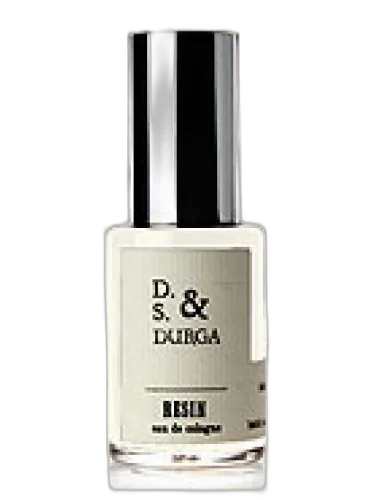
DS&Durga
Resin Ds&durga
Shared accords: amber, balsamic, warm spicy
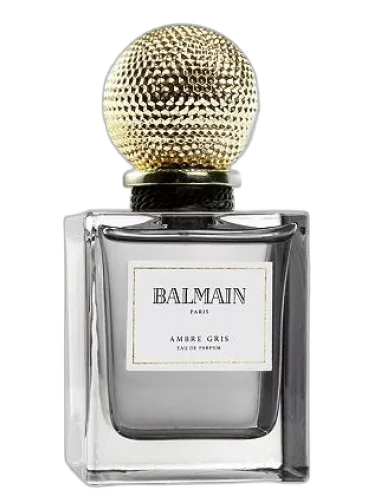
Pierre Balmain
Ambre Gris Pierre Balmain
Shared accords: amber, balsamic, warm spicy
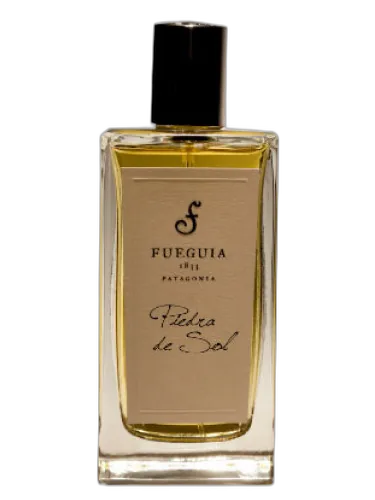
Fueguia 1833
Piedra De Sol Fueguia 1833
Shared top notes: copal