
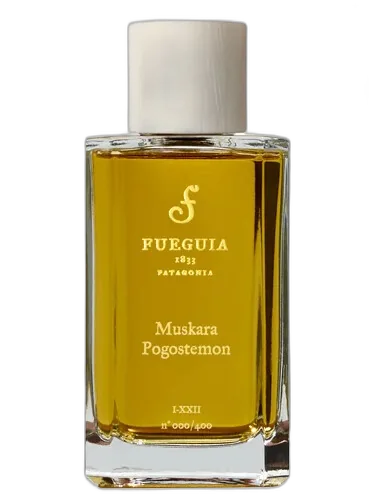
Muskara Pogostemon Fueguia 1833
At a glance
Is Muskara Pogostemon Fueguia 1833 worth trying?
Muskara Pogostemon by Fueguia 1833 is a Woody fragrance for women and men.
- Best match
- Evening, Special Occasion wear in Fall, Winter
- Performance feel
- Very Good longevity with Strong sillage
- Signature profile
- patchouli, woody, warm spicy with Indian Patchouli
The first impression
Muskara Pogostemon by Fueguia 1833 is a Woody fragrance for women and men. Muskara Pogostemon was launched in 2017. The nose behind this fragrance is Julian Bedel.
What shapes the scent
The perfumer behind it

Julian Bedel
Julian Bedel is a perfumer for Fueguia 1833, an Argentine niche fragrance house. His catalog includes Acacia, Agua De Gardenia, and Agua Magnoliana, as well as Aguila De Ambar, Alba, Alhambra, Alma, and Amalia Gourmand. His compositions often draw from natural ingredients and South American inspirations.
Notes pyramid
All Notes
Complete scent profile
 Indian Patchouli
The mood it creates
The Mystic Archetype: Portrait of Muskara Pogostemon Fueguia 1833
Essence
The Mystic seeks the unseen, and Muskara Pogostemon is their olfactory sigil. Dominated by Indian patchouli, it hums with earthy resonance-a fragrance for those who listen to the whispers of roots and soil. This is not a scent for the uninitiated; it demands a palate attuned to shadow and substance.
Style & Aesthetic
They dress in layers of texture: rough linen, hand-knotted wool, and silver that tarnishes just so. Their aesthetic is monastic yet sensual, mirroring the fragrance’s balance of austerity and depth. Colors are muted-slate, forest, charcoal-as if borrowed from twilight.
Philosophy & Values
They believe in the wisdom of decay, the way rot feeds new growth. The patchouli’s damp richness speaks to their reverence for cycles. They are drawn to rituals that anchor them to the earth: grounding meditations, foraging for mushrooms at dawn.
Relationships
They connect deeply but sparingly, preferring a few intense bonds to many shallow ones. Lovers are drawn to their quiet intensity, though some find their emotional terrain too labyrinthine. Their friendships are built on shared silences as much as words.
Lifestyle
Their space is a temple of minimalism: a single candle, a bowl of stones, shelves lined with tinctures. They rise early to watch the light change, journal in hand. The scent lingers in their wake like a prayer.
Shadow
Their introversion can curdle into isolation, the patchouli’s weight becoming a shroud. They must guard against mistaking solitude for enlightenment, remembering that even mystics need human touch.
Conclusion
Muskara Pogostemon is a fragrance for those who walk between worlds. It suits the seeker who finds divinity in the dirt, whose very presence feels like an incantation.
If you like this, try these
Fragrances with a comparable profile - shared accords, notes, and character.
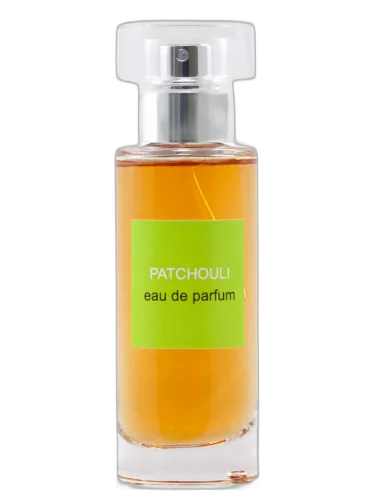
YanFroloff
Patchouli Yanfroloff
Shared top notes: indian patchouli

Trend Perfumes
Patchouli Intense Trend Perfumes
Shared accords: balsamic, earthy, patchouli
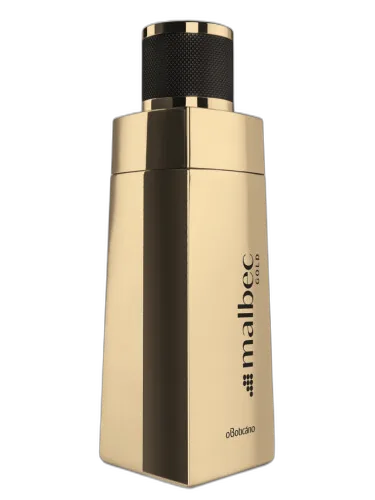
O Boticário
Malbec Gold (2020) O Boticário
Shared accords: balsamic, earthy, patchouli
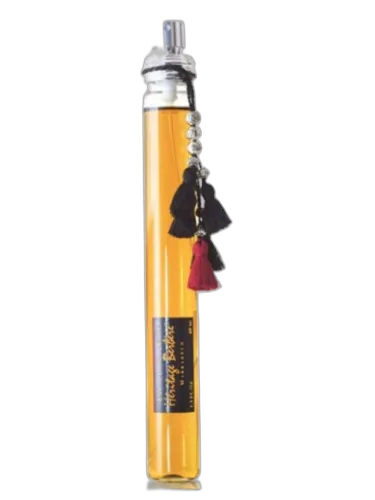
Héritage Berbère
Patchouli Héritage Berbère
Shared accords: balsamic, earthy, patchouli

Ne'emah For Fragrance & Oudh
Patchouli Soul Ne'emah For Fragrance & Oudh
Shared accords: balsamic, earthy, patchouli