
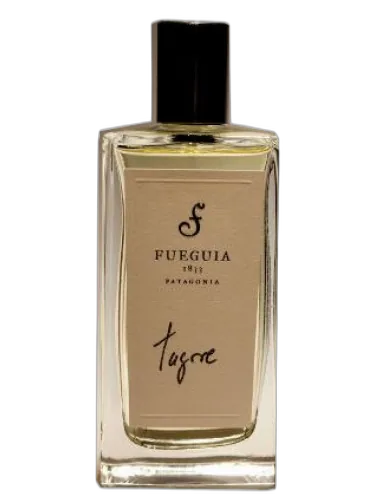

Tagore Fueguia 1833
At a glance
Is Tagore Fueguia 1833 worth trying?
Tagore by Fueguia 1833 is a Aromatic Spicy fragrance for women and men.
- Best match
- Evening wear in Fall, Winter
- Performance feel
- Moderate longevity with Moderate sillage
- Signature profile
- aromatic, warm spicy, soft spicy with Cardamom, Ambrette (Musk Mallow), Coriander
The first impression
Tagore by Fueguia 1833 is a Aromatic Spicy fragrance for women and men. Tagore was launched in 2010. The nose behind this fragrance is Julian Bedel. Top note is Cardamom; middle note is Ambrette (Musk Mallow); base note is Coriander.
What shapes the scent
The perfumer behind it

Julian Bedel
Julian Bedel is a perfumer for Fueguia 1833, an Argentine niche fragrance house. His catalog includes Acacia, Agua De Gardenia, and Agua Magnoliana, as well as Aguila De Ambar, Alba, Alhambra, Alma, and Amalia Gourmand. His compositions often draw from natural ingredients and South American inspirations.
Notes pyramid
Top Notes
First impression · 15-30 min
 Cardamom
Heart Notes
Core character · 2-4 hours
 Ambrette (Musk Mallow)
Base Notes
Lasting impression · 4+ hours
 Coriander
The mood it creates
The Mystic Archetype: Portrait of Tagore Fueguia 1833
Essence
The Mystic archetype seeks the invisible threads that connect all things. For the person who wears Tagore, the world is a tapestry of hidden meanings and subtle energies. The fragrance opens with the warm, aromatic spice of Cardamom, a note often used in meditation for its clarifying properties. The heart is a soft, almost ethereal Ambrette, a natural musk that evokes a sense of inner peace and quiet sensuality. The base of Coriander adds a final, grounding herbal whisper, a reminder that the spiritual is always rooted in the earthly.
Style & Aesthetic
Their style is understated and timeless, favoring natural fibers like linen, cotton, and raw silk in muted, earthy tones. They are drawn to simple, flowing silhouettes and minimal adornment, perhaps a single piece of handmade jewelry. Their aesthetic is one of quiet intention; their home is a sanctuary of natural light, plants, and objects collected from their travels. They value comfort and function, but every item is chosen for its energy and purpose.
Philosophy & Values
They believe in the unity of all life and the power of inner stillness. Their philosophy is drawn from Eastern traditions, emphasizing mindfulness, compassion, and the impermanence of all things. They value wisdom over knowledge, intuition over logic, and presence over productivity. Their core belief is that the answers they seek are already within them, and that the path to truth is one of quiet contemplation and self-inquiry.
Relationships
In relationships, they are a calm, compassionate, and non-judgmental presence. They are excellent listeners who offer space for others to be themselves. They are not possessive or demanding, understanding that true connection is based on freedom, not control. They seek a partner who is also on a spiritual path, someone who values depth and authenticity over social performance. Their friendships are few but profound, built on mutual respect and shared silence.
Lifestyle
Their daily life is a series of mindful rituals. They begin the day with meditation and a simple cup of tea. They practice yoga or tai chi, and spend time in nature as a form of prayer. They are a minimalist, owning only what they need, and they are drawn to creative pursuits like writing, painting, or playing a musical instrument as a form of meditation. They avoid the noise of constant media and seek out silence and solitude.
Shadow
The shadow of the Mystic is a tendency toward detachment and escapism. They may use spirituality to avoid the messiness of human emotion or the demands of the material world. Their pursuit of inner peace can become a form of disengagement, leading to a lack of ambition or a failure to address practical problems. They may become judgmental of those who are not on a similar path, mistaking their own detachment for enlightenment.
Conclusion
Tagore is the scent of the quiet mystic, a fragrance for those who walk the inner path. It is a subtle, meditative blend that speaks of peace, wisdom, and the beauty of the unseen. Like the poet it is named after, it is a reminder that the deepest truths are often found in the simplest moments of stillness.
If you like this, try these
Fragrances with a comparable profile - shared accords, notes, and character.

Son Venïn
Ambr Super Son Venïn
Shared top notes: cardamom

Christian Louboutin
Loubirouge Christian Louboutin
Shared top notes: cardamom

FUMparFUM
Cardamom Fumparfum
Shared top notes: cardamom
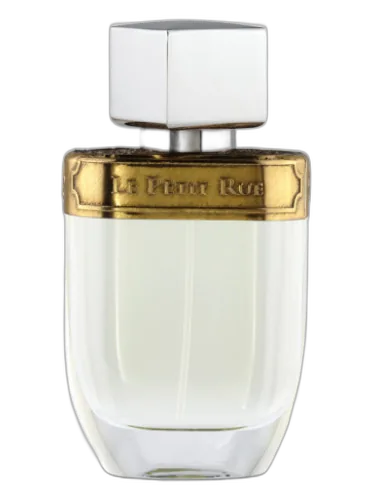
Aulentissima
Le Petit Rue Aulentissima
Shared base notes: coriander
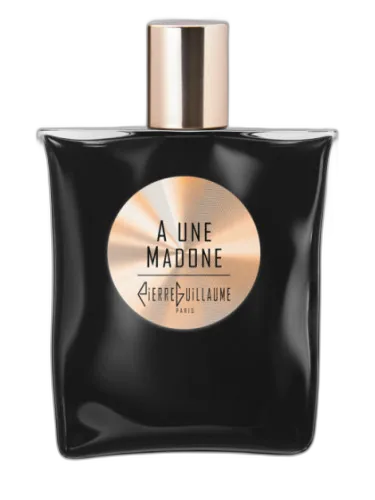
Pierre Guillaume Paris
A Une Madone Pierre Guillaume Paris
Shared top notes: cardamom