
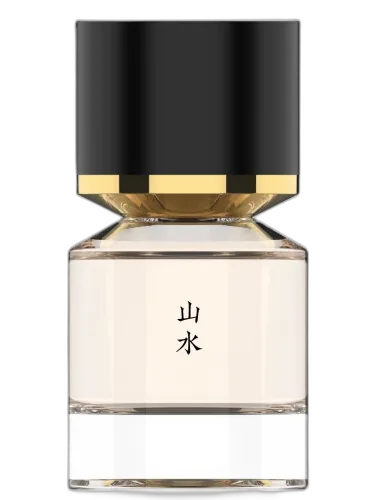

Karesansui 山水 Fukudo 浮香堂
At a glance
Is Karesansui 山水 Fukudo 浮香堂 worth trying?
Karesansui 山水 by Fukudo 浮香堂 is a Oriental Woody fragrance for women and men.
- Best match
- Evening, Special Occasion wear in Fall, Winter
- Zodiac
- Best for Capricorn
- Performance feel
- Good longevity with Moderate sillage
- Signature profile
- woody, floral, amber with Sandalwood, Cedarwood, Olibanum
The first impression
Karesansui 山水 by Fukudo 浮香堂 is a Oriental Woody fragrance for women and men. The nose behind this fragrance is Keizo Shinke.
What shapes the scent
The perfumer behind it

Keizo Shinke
Keizo Shinke is the perfumer behind Fukudo 浮香堂, a brand inspired by Japanese aesthetics and nature. His catalog includes scents like Karesansui 山水, Sazameki 绵绵, and Yukiyo 雪夜, which evoke landscapes and seasons. Shinke’s compositions are known for their serene and minimalist character.
Notes pyramid
All Notes
Complete scent profile
 Sandalwood
 Cedarwood
Olibanum
Cedarwood
Olibanum
 Jasmine
 Incense
 Lotus
Moss
Lotus
Moss
 Mastic or Lentisque
 Wisteria
 Japanese Incense
The mood it creates
The Sage Archetype: Portrait of Karesansui 山水 Fukudo 浮香堂
Essence
Karesansui embodies the Sage archetype-a keeper of timeless wisdom expressed through minimalist beauty. The sandalwood and cedar core speaks of monastic contemplation, while floating jasmine and lotus suggest enlightenment blooming in quiet spaces. This is a scent for those who find infinity in raked gravel gardens.
Style & Aesthetic
They wear architecture as much as clothing: wide-sleeved linen, unadorned silver rings. The fragrance's moss and mastic notes mirror their preference for organic textures over ornament. Their home might feature a single ikebana arrangement beside an incense holder, each object holding space like the perfume's deliberate notes.
Philosophy & Values
They practice the art of subtraction. Just as the scent's olibanum avoids opulence for clarity, they believe truth thrives in restraint. The wisteria's fleeting sweetness reminds them that even austerity must leave room for transient beauty.
Relationships
They attract disciples and peers rather than casual acquaintances. Romantic partners are drawn to their quiet depth-the way Japanese incense unfolds gradually, like their carefully shared intimacies. Conversations often revolve around poetry or tea ceremony aesthetics.
Lifestyle
Dawn finds them practicing calligraphy, the cedar note in their perfume mingling with ink. Evenings are for rereading classical texts as mastic resin smolders nearby. They frequent Zen gardens and paper-making workshops, always observing, rarely accumulating.
Shadow
Their pursuit of wisdom can become overly detached. The floral whispers in their scent warn against mistaking isolation for enlightenment. At worst, they risk becoming curators rather than participants in life's messier joys.
Conclusion
Karesansui is olfactory wabi-sabi-a meditation on how sandalwood weathers into greater beauty. It suits those who wear fragrance as a koan, not a statement.
If you like this, try these
Fragrances with a comparable profile - shared accords, notes, and character.
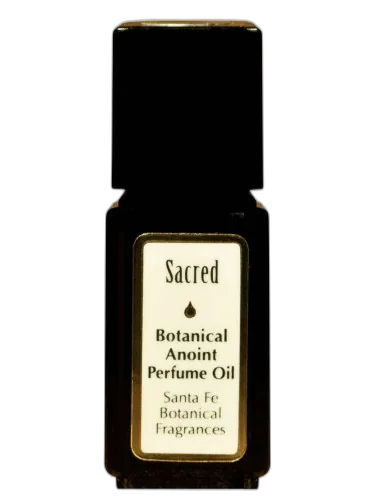
Santa Fe Botanical Natural Fragrance Collection
Sacred Anoint Santa Fe Botanical Natural Fragrance Collection
Shared top notes: jasmine, olibanum, sandalwood
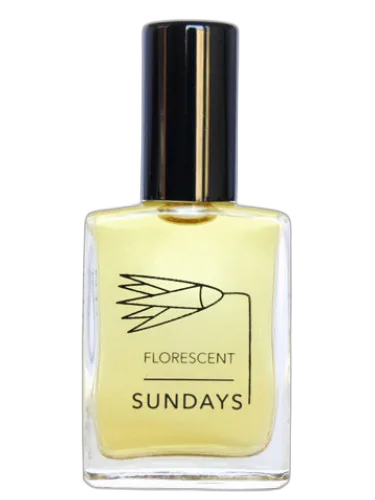
Florescent
Sundays Florescent
Shared top notes: jasmine, olibanum, sandalwood

Aromata Mirabilia
Scent Of Old Vilnius Aromata Mirabilia
Shared top notes: incense, moss, olibanum

Smell Bent
Mirror Ball Smell Bent
Shared top notes: incense, jasmine

Rabanne
Fame Intense Rabanne
Shared top notes: incense, jasmine, sandalwood