
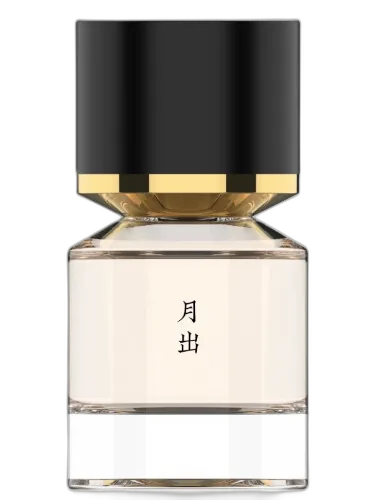

Moonrise 月出 Fukudo 浮香堂
Fragrance Story
Moonrise 月出 by Fukudo 浮香堂 is a fragrance for women and men. The nose behind this fragrance is Shoji Kumasaka.
Composition Profile
About the Perfumer

Shoji Kumasaka
Shoji Kumasaka is a Japanese perfumer and the creator behind Fukudo 浮香堂, a brand that merges traditional Japanese culture with modern perfumery. His catalog includes evocative scents like Flee By Night, Love Letter, and Peony Pavilion, each inspired by literature, art, or nature. Kumasaka’s fragrances are noted for their poetic depth and delicate balance of notes.
Fragrance Notes
All Notes
Complete scent profile
 Sandalwood
 Yunnan Osmanthus
 Rose
Rose
 Orange Blossom
 Patchouli
 Ambergris
 Oud
Oud
 Spicy Notes
Moonrise 月出 Fukudo 浮香堂 by Fukudo 浮香堂 offers a distinctive olfactory experience that stands out from other fragrances in its category.
Crafted with the finest ingredients and a blend of traditional and modern perfumery techniques, this fragrance represents the pinnacle of the perfumer's art.
Moonrise 月出 Fukudo 浮香堂 embodies the distinctive style of Fukudo 浮香堂 while adding a unique chapter to their fragrance portfolio.
Character Profile
The Moonrise Archetype: Portrait of Moonrise 月出 Fukudo 浮香堂
Essence
To wear Moonrise 月出 by Fukudo 浮香堂 is to step into the liminal space between dusk and dawn, where reality softens and the subconscious stirs. This fragrance-cool, introspective, and subtly luminous-belongs to one who dwells in the realm of the Dreamer, an archetype rooted in Jung’s Anima/Animus and the collective unconscious. They are not merely a passive observer of beauty but an active participant in its creation, weaving meaning from the intangible.
Their life is a tapestry of quiet intensity, a deliberate dance between presence and withdrawal. They are drawn to the poetic-haiku, ink paintings, the slow unfurling of a night-blooming flower. Their tastes are refined but never ostentatious; they prefer the weight of a well-worn book to the glitter of new possessions. Their home is a sanctuary of muted tones, where incense lingers and the light is always indirect, as if perpetually caught in the hour of twilight.
Philosophy, for them, is not an academic exercise but a lived experience. They are drawn to thinkers who embrace ambiguity-Nishida Kitarō’s mu (nothingness), Rilke’s Letters to a Young Poet, the Taoist principle of wu wei. They believe in the unseen currents of life, the way a single scent can unravel a buried memory or a half-remembered dream. Their values are rooted in depth over speed, silence over noise, and the kind of beauty that demands patience to perceive.
Shadow
Yet every archetype has its shadow, and the Dreamer is no exception. Their retreat into the inner world can become a prison. When reality grows too harsh, they may slip too deeply into fantasy, avoiding confrontation or responsibility. Their melancholy, though often a source of inspiration, can curdle into a passive resignation-a sense that life is something to be endured rather than shaped.
Relationships may suffer from their tendency to idealize. They fall in love with the idea of a person rather than the flawed reality, leading to disillusionment. Their detachment, while granting them wisdom, can also make them seem aloof or indifferent to those who crave warmth and immediacy.
Conclusion
The Dreamer’s greatest strength lies in their ability to see beyond. Where others rush, they pause. Where others declare, they question. Their intuition is finely tuned, allowing them to sense unspoken emotions in others, to grasp the hidden patterns in art and conversation. They are the friend who listens without judgment, the lover who understands without explanation.
Creativity flows through them like water-sometimes a trickle, sometimes a flood. They may write, paint, or compose, but even if they do not, their very way of moving through the world is an act of artistry. They find meaning in the smallest details: the way steam curls from a teacup, the texture of handmade paper, the scent of rain on stone.
Similar Fragrances
Fragrances with a comparable profile - shared accords, notes, and character.
Fukudo 浮香堂
Moonrise 月出 Fukudo 浮香堂
Shared accords: amber, animalic, balsamic

Galimard
Oud Intense Galimard
Shared accords: amber, balsamic, oud

Thana
Shabab Thana
Shared accords: amber, animalic, patchouli

Alexandria Fragrances
Oriental Leather Alexandria Fragrances
Shared accords: amber, balsamic, oud

Zavyla
Occhio Di Tigre Zavyla
Shared accords: amber, animalic, balsamic