
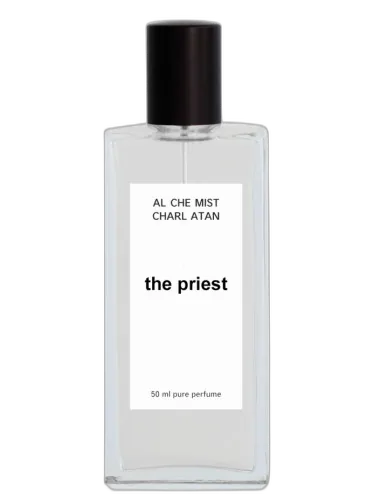
The Priest Fumparfum
At a glance
Is The Priest Fumparfum worth trying?
The Priest by FUMparFUM is a fragrance for women and men.
- Best match
- Evening wear in Fall, Winter
- Performance feel
- Good longevity with Moderate sillage
- Signature profile
- amber, woody, warm spicy with Cedar, Immortelle, Labdanum
The first impression
The Priest by FUMparFUM is a fragrance for women and men. The Priest was launched in 2019. The nose behind this fragrance is Aistis Mickevičius.
What shapes the scent
The perfumer behind it

Aistis Mickevičius
Aistis Mickevičius is a Lithuanian perfumer known for his work with the niche house FUMparFUM. His style often balances contrasting elements, blending dark, smoky accords with fresh or gourmand notes, as seen in Oscuro and the Bestia Gentile collection. He creates complex, narrative-driven fragrances that explore themes of leather, spice, and tea, such as Black Tea and Pony Leather.
Notes pyramid
All Notes
Complete scent profile
 Cedar
Cedar
 Immortelle
 Labdanum
 Black Pepper
 Patchouli
 Amber
Amber
 Fir
Olibanum
Fir
Olibanum
 Suede
Suede
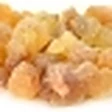 Benzoin
 Rosemary
Red Pepper
Rosemary
Red Pepper
 Aldehydes
 Bergamot
 Agarwood (Oud)
The mood it creates
The Mystic Archetype: Portrait of The Priest Fumparfum
Essence
The Priest embodies the Mystic archetype, a seeker of sacred truths hidden in the interplay of shadow and light. Its blend of cedar, immortelle, and olibanum creates an olfactory temple-smoky, resinous, and introspective. This fragrance doesn’t merely scent the skin; it anoints it, invoking rituals older than memory.
Wearing The Priest is an act of devotion to the unseen. The labdanum and oud hum like a monastic chant, while black pepper and aldehydes crackle like distant lightning-a reminder that revelation often arrives in moments of friction.
Style & Aesthetic
They favor draped silhouettes in raw linen or wool, fabrics that whisper rather than shout. Their palette leans toward earth tones-charcoal, burnt umber, moss green-with occasional flashes of sacramental gold. Jewelry is minimal but meaningful: a thumb-worn rosary, a tarnished signet ring.
Spaces they inhabit feel curated yet transient, like a hermit’s cell or an alchemist’s workshop. Candles flicker beside unlabeled vials; shelves bow under leather-bound volumes. Every object serves as both tool and talisman.
Philosophy & Values
They believe in the sanctity of liminal spaces-the threshold between dawn and day, between breath and speech. For them, truth is a mosaic of contradictions: pepper’s heat against benzoin’s sweetness, the austerity of fir needles softened by amber’s glow.
Patience is their virtue. They understand that some revelations unfold over lifetimes, just as oud’s depth emerges only after hours on the skin. Their spirituality is tactile, rooted in incense coils and the grit of crushed herbs.
Relationships
They attract fellow seekers but rarely keep disciples. Conversations with them meander like smoke-sometimes illuminating, often elusive. Romantic partners must accept that solitude is their first love, though they’ll share it sparingly, like vials of precious attar.
Their friendships are built on silent understanding rather than confession. A shared pot of spiced tea or a walk through cedar groves suffices where words fail.
Lifestyle
Dawn finds them grinding resins or copying archaic texts in a slanting hand. Evenings are for contemplation, often in half-light, with only the fragrance’s balsamic trail as company. They might keep a rooftop garden where rosemary and pepper plants thrive.
Travel is pilgrimage, never tourism. They seek out mountain monasteries, desert caravanserais-places where the air itself hums with history.
Shadow
Their reverence for mystery can tip into obscurantism. They may mistake opacity for depth, or cling to rituals long after their meaning has faded. The shadow Priest hides behind incense veils, using sacred jargon to avoid earthly accountability.
At worst, they become a relic-a figure so wrapped in layers of symbolism that no one, including themselves, remembers what lies beneath.
Conclusion
The Priest is a fragrance for those who wear their solitude like a cassock. It speaks in vespers and embers, in the language of thresholds. To anoint oneself with it is to acknowledge that some truths are felt rather than known-a Mystic’s creed, bottled.
If you like this, try these
Fragrances with a comparable profile - shared accords, notes, and character.
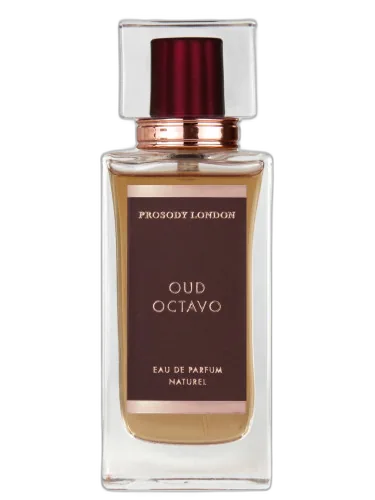
Prosody London
Oud Octavo Prosody London
Shared top notes: agarwood (oud), bergamot, cedar
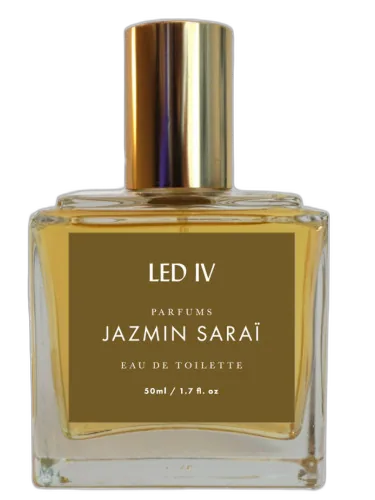
Jazmin Sarai
Led Iv Jazmin Sarai
Shared top notes: bergamot, labdanum, patchouli
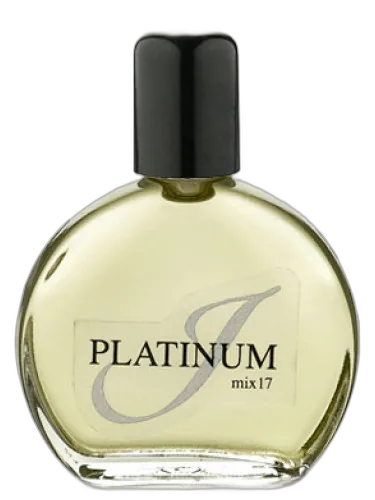
Platinum J
Mix 17 Platinum J
Shared top notes: amber, bergamot, olibanum
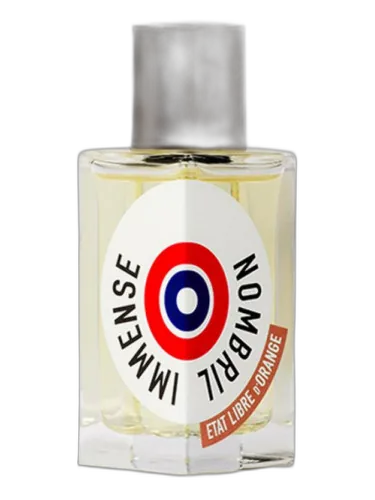
Etat Libre d'Orange
Nombril Immense Etat Libre D'orange
Shared top notes: bergamot, black pepper, patchouli
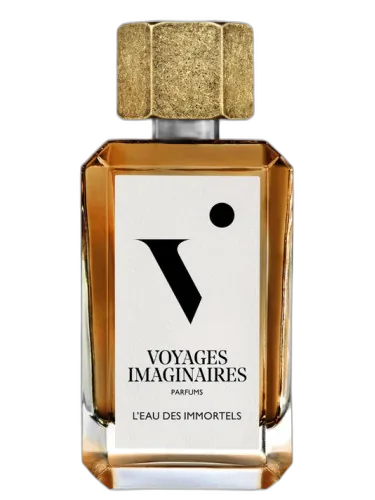
Voyages Imaginaires
L'eau Des Immortels Voyages Imaginaires
Shared top notes: amber, benzoin, bergamot