
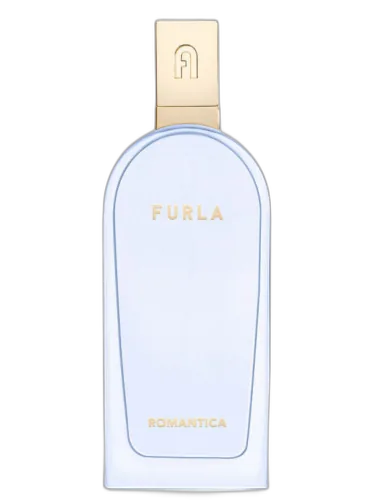
Romantica Furla
At a glance
Is Romantica Furla worth trying?
Romantica by Furla is a Floral Fruity fragrance for women.
- Best match
- Evening wear in Spring
- Performance feel
- Good longevity with Moderate sillage
- Signature profile
- floral, woody, fresh with Black Currant, Davana, Coriander
The first impression
Romantica by Furla is a Floral Fruity fragrance for women. Romantica was launched in 2020. The nose behind this fragrance is Alex Lee. Top notes are Black Currant, Davana and Coriander; middle notes are Peony, Jasmine and Mugane; base notes are Patchouli, Vanilla and Sandalwood.
What shapes the scent
The perfumer behind it

Alex Lee
Alex Lee is a perfumer known for his work with brands like 4711, Armaf, and BORNTOSTANDOUT®. His style blends modern freshness with bold, unconventional accords, as seen in creations like Dirty Rainbow and Drunk Maple. Lee’s approach often reinterprets classic structures, such as the 4711 Remix Cologne Urban Summer 2020, while exploring playful, gourmand themes in Mad Honey and Nanatopia.
Notes pyramid
Top Notes
First impression · 15-30 min
 Black Currant
 Davana
 Coriander
Heart Notes
Core character · 2-4 hours
 Peony
Peony
 Jasmine
 Mugane
Base Notes
Lasting impression · 4+ hours
 Patchouli
 Vanilla
 Sandalwood
The mood it creates
The Lover Archetype: Portrait of Romantica Furla
Essence
The person who cherishes Romantica Furla is most closely aligned with The Lover archetype-a figure governed by passion, beauty, and deep emotional resonance. This archetype thrives on connection, whether to people, art, or the sensory pleasures of life. The Lover does not merely exist; they experience, with an intensity that borders on the devotional.
Yet, like all archetypes, The Lover has a shadow-one that risks indulgence, dependency, or an inability to face the harsher realities of life. The Romantica Furla wearer is no exception. Their world is one of heightened sensation, but also of potential fragility.
Style & Aesthetic
Their tastes are refined but never ostentatious. They prefer soft textures-cashmere, silk, linen-that caress rather than constrain. Their home is a sanctuary of muted pastels, fresh flowers, and carefully curated objects: a vintage perfume bottle, a well-worn book of poetry, a single framed photograph of a cherished moment. They are drawn to art that evokes longing-Impressionist paintings, Chopin nocturnes, the films of Wong Kar-wai.
Philosophically, they believe in the transformative power of beauty. To them, a scent is not merely a fragrance but an invocation-a way to summon memory, desire, or a fleeting sense of transcendence. They are not naive romantics; they understand the impermanence of beauty, yet they choose to embrace it anyway.
They move through the world with quiet grace, avoiding vulgarity and haste. Their mornings are rituals-steaming tea in a porcelain cup, a slow walk through dew-damp gardens. They are not lazy, but they resist the modern cult of productivity, believing that some things-love, art, the scent of rain on warm earth-cannot be rushed.
Yet their aversion to harshness can render them passive. When faced with conflict, they may retreat into aesthetic escapism rather than engage. Their life, though beautiful, risks becoming a gilded cage-one they have willingly constructed but may lack the will to leave.
Relationships
In love, they are neither reckless nor calculating, but deeply intentional. They seek partners who appreciate nuance-who understand that a glance, a touch, or a shared silence can be as meaningful as grand gestures. Their relationships are built on emotional attunement, but this very sensitivity can become their undoing.
Their shadow emerges when their idealism clashes with reality. They may cling to fading relationships, mistaking nostalgia for love, or they may withdraw into fantasy, preferring the safety of an imagined romance over the messiness of real connection. Disillusionment wounds them more deeply than most, for they have staked so much of themselves on the promise of beauty.
Shadow
The greatest danger for The Lover is the temptation to live only through sensation, to mistake feeling for meaning. They may grow so enamored with the idea of romance that they neglect its substance, or so fearful of ugliness that they refuse to acknowledge life’s necessary struggles.
But when balanced, they are alchemists-transforming the mundane into the sublime, reminding others that life, in all its fleeting fragility, is worth savoring. Their gift is not in denying darkness but in finding, even there, a glimmer of something worth loving.
In the end, the Romantica Furla wearer is neither a hopeless romantic nor a detached aesthete. They are a seeker-one who understands that love, like perfume, lingers longest when applied with care.
If you like this, try these
Fragrances with a comparable profile - shared accords, notes, and character.

Oriflame
Scentsational Oriflame
Shared top notes: black currant
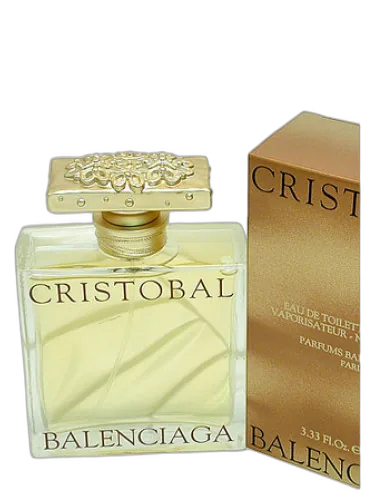
Balenciaga
Cristobal Balenciaga
Shared heart notes: jasmine, peony
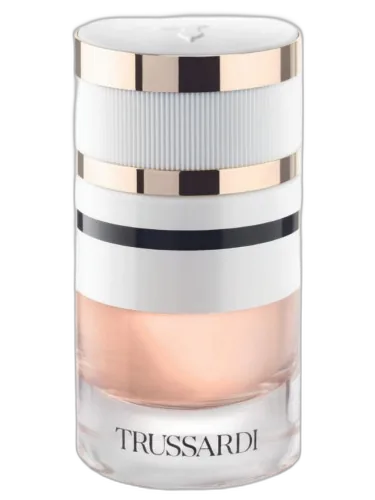
Trussardi
Pure Jasmine Trussardi
Shared heart notes: jasmine, mugane
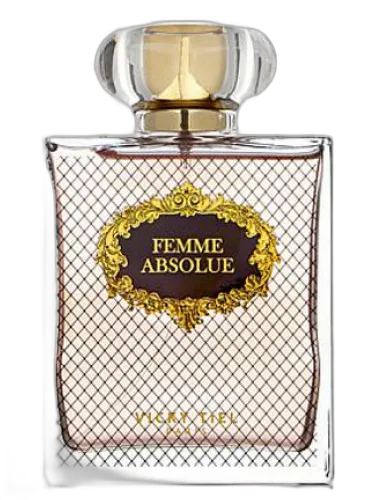
Vicky Tiel
Femme Absolue Vicky Tiel
Shared heart notes: jasmine
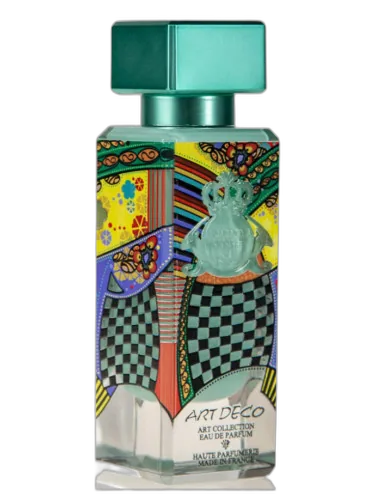
Al-Jazeera Perfumes
Art Deco Al-jazeera Perfumes
Shared heart notes: jasmine