
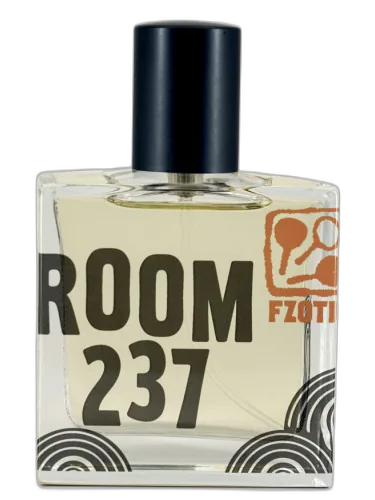

Room 237 Fzotic
At a glance
Is Room 237 Fzotic worth trying?
Room 237 by FZOTIC is a fragrance for women and men.
- Best match
- Evening wear in Winter
- Performance feel
- Good longevity with Moderate sillage
- Signature profile
- musky, floral, amber with Floral Notes, Green Notes, Angelica
The first impression
Room 237 by FZOTIC is a fragrance for women and men. Room 237 was launched in 2015. The nose behind this fragrance is Bruno Fazzolari.
What shapes the scent
The perfumer behind it

Bruno Fazzolari
Bruno Fazzolari is the perfumer behind the FZOTIC line, which includes Au Dela, Au Delà Narcisse, Corpse Reviver, Feu Secret, Five, Five Squared, Fontevraud, and Jimmy. His compositions are known for their artistic, avant-garde approach, often blending unusual materials. Fazzolari's work is celebrated for its intellectual depth and olfactory complexity.
Notes pyramid
All Notes
Complete scent profile
 Floral Notes
 Green Notes
 Angelica
 Vinyl
Vinyl
 Costus
 Musk
Musk
 Opoponax
 Daisy
Daisy
The mood it creates
The Archetype Archetype: Portrait of Room 237 Fzotic
Essence
This person is most closely aligned with the Magician archetype-the seeker of hidden truths, the alchemist who transforms the mundane into the extraordinary. Like the scent itself-a blend of antiseptic sterility, warm skin, and something unsettlingly nostalgic-they exist between worlds: the rational and the uncanny, the clinical and the sensual. They are drawn to the liminal, the spaces where meaning flickers just beyond grasp.
Room 237 (named after the infamous Shining hotel room) is a fragrance of contradictions-clean yet intimate, synthetic yet deeply human. So too is the person who wears it. They are not content with surface impressions; they probe, dissect, and reassemble reality to suit their own design.
Relationships
They do not give affection freely; it must be earned through intellectual sparring or shared fascination with the obscure. Their closest relationships are with those who understand their need for detachment-lovers who appreciate the clinical beauty of a precisely timed touch, friends who engage in midnight debates about the nature of memory.
Yet, their detachment is not coldness-it is a form of respect. They believe love, like their fragrance, should be a carefully measured experiment. Too much warmth dissolves the mystery; too little renders it sterile. They seek partners who are equally comfortable in silence and in debate.
Shadow
Every Magician risks becoming the Trickster-the one who plays with reality until they lose themselves in it. Their brilliance can curdle into obsession. They may retreat into solipsism, convinced that only they see the world as it truly is. Their wit, once sharp, turns cruel. Their fascination with control becomes a fear of chaos, leading them to sterilize their emotions until they feel nothing at all.
At their worst, they are the villain of their own story: the genius who dissected life so thoroughly that they forgot how to live it.
Conclusion
Their tastes are deliberate, almost surgical. They favor minimalist design, but with a twist-perhaps a single unsettling detail (a distorted mirror, a medical diagram framed as art). Their wardrobe is precise: structured lines, monochromatic tones, but with an unexpected texture-latex, leather, or a fabric that catches the light strangely. They appreciate the aesthetics of laboratories, old psychiatric wards, and mid-century futurism.
Philosophically, they reject easy answers. They are drawn to thinkers who dismantle reality-Foucault on power, Baudrillard on simulation, Cronenberg on bodily horror. They believe truth is not found but constructed, and they take pleasure in the act of deconstruction. Their humor is dry, laced with irony, often unsettling those who expect warmth.
If you like this, try these
Fragrances with a comparable profile - shared accords, notes, and character.
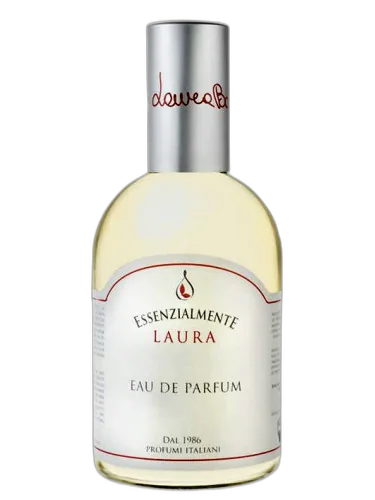
Essenzialmente Laura
Notturno Essenzialmente Laura
Shared top notes: musk, opoponax
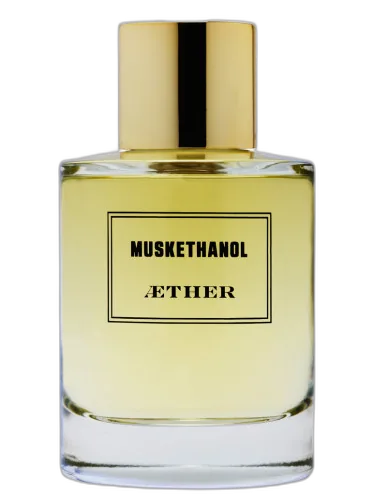
Aether
Muskethanol Aether
Shared top notes: floral notes, green notes, musk
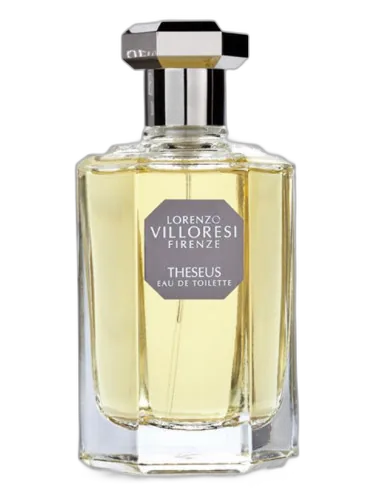
Lorenzo Villoresi
Theseus Lorenzo Villoresi
Shared top notes: floral notes, green notes

Cerchi Nell’Acqua
White Out Cerchi Nell’acqua
Shared top notes: floral notes, green notes, musk
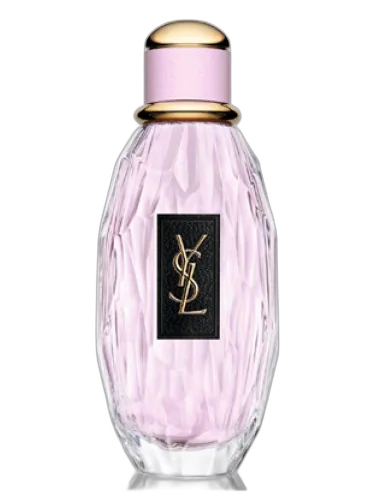
Yves Saint Laurent
Parisienne L’eau Yves Saint Laurent
Shared top notes: green notes, vinyl