
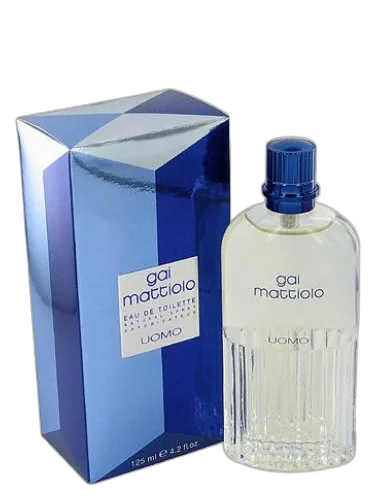

Gai Mattiolo Uomo Gai Mattiolo
At a glance
Is Gai Mattiolo Uomo Gai Mattiolo worth trying?
Gai Mattiolo Uomo by Gai Mattiolo is a Aromatic Spicy fragrance for men.
- Best match
- Evening wear in Fall
- Performance feel
- Good longevity with Moderate sillage
- Signature profile
- citrus, aromatic, soft spicy with Lemon, Neroli, Star Anise
The first impression
Gai Mattiolo Uomo by Gai Mattiolo is a Aromatic Spicy fragrance for men. Gai Mattiolo Uomo was launched in 1998. Gai Mattiolo Uomo was created by Alberto Morillas and Maurice Roucel. Top notes are Lemon, Neroli, Star Anise and Bergamot; middle notes are Coriander, Rose, Pepper and Clary Sage; base notes are Musk, Sandalwood and Guaiac Wood.
What shapes the scent
The perfumer behind it

Alberto Morillas
Alberto Morillas is a master perfumer based in Geneva, Switzerland, and a longtime collaborator with Firmenich. His style is known for refined, luminous compositions that balance natural elegance with modern clarity. He created the bold leather and spice of Amouage Opus VII - Reckless Leather, the fresh citrus depth of Acqua di Parma Colonia Intensa, and the woody warmth of Aedes de Venustas Palissandre D'or. His work has shaped contemporary perfumery across both niche and luxury houses.
Notes pyramid
Top Notes
First impression · 15-30 min
 Lemon
Lemon
 Neroli
 Star Anise
 Bergamot
Heart Notes
Core character · 2-4 hours
 Coriander
 Rose
Rose
 Pepper
 Clary Sage
Base Notes
Lasting impression · 4+ hours
 Musk
Musk
 Sandalwood
 Guaiac Wood
The mood it creates
The Explorer Archetype: Portrait of Gai Mattiolo Uomo Gai Mattiolo
Essence
The man who favors Gai Mattiolo Uomo is defined by the Explorer archetype-a restless soul driven by curiosity, independence, and a hunger for novelty. Like Odysseus charting unknown waters, he seeks not just physical journeys but intellectual and emotional ones. The fragrance itself-spicy, woody, with a hint of leather-mirrors his essence: bold yet refined, adventurous yet controlled. He is not content with stagnation; life must be a series of discoveries, or it is not worth living.
Style & Aesthetic
His wardrobe is carefully curated-not for trends, but for experiences. Leather jackets that have seen foreign cities, well-worn boots that have crossed both cobblestone streets and mountain trails. He prefers textures that tell a story: raw denim, aged brass, the scent of tobacco lingering on a wool scarf. His taste in music, art, and literature leans toward the unconventional-jazz that defies structure, novels that dissect the human condition, films that leave more questions than answers.
He is drawn to contrasts: the warmth of amber against the sharpness of vetiver, the tension between chaos and order. His home, if he stays in one place long enough, is a gallery of collected artifacts-a Moroccan rug, a Japanese tea set, a first edition of Thus Spoke Zarathustra. Each object is a fragment of a journey, a silent testament to his refusal to be confined.
His career is nonlinear-perhaps a photographer, a consultant, a writer, or an entrepreneur. He thrives in roles that demand adaptability, where routine is the enemy. Money is a means, never an end; he would rather be poor and free than wealthy and confined.
He is disciplined in his indulgence. He may drink heavily one night, then fast for days. He pushes his body with martial arts or mountain climbing, not for vanity, but to test his limits. His vices-fine cigars, strong coffee, late-night debates-are rituals, not escapes.
Philosophy & Values
For him, truth is not found in dogma but in motion. He distrusts institutions that demand conformity, seeing them as cages for the spirit. His morality is self-defined-not out of rebellion, but necessity. He believes in freedom as the highest virtue, yet understands that true freedom requires discipline. To wander aimlessly is to be a leaf in the wind; to wander with purpose is to be the wind itself.
He values intensity over permanence, depth over duration. Relationships, careers, even ideologies must prove their worth by their ability to evolve. If something-or someone-no longer challenges him, he moves on. This is not cruelty, but a survival instinct. Stagnation is death.
Relationships
He loves deeply, but fleetingly. His affections are sincere, yet he resists the weight of expectation. He is the lover who writes poetry under a foreign sky, then vanishes at dawn. Those who try to chain him will only push him away; those who let him breathe may find themselves woven into his mythos, remembered in stories told years later over whiskey and smoke.
Friends admire his spontaneity, his ability to make even the mundane feel like an adventure. Yet some secretly resent his elusiveness, the way he refuses to be pinned down. He is not cruel-merely consistent. To ask him to stay is to ask a bird not to fly.
Shadow
But the Explorer has a dark twin: the Fugitive, who runs not toward something, but away. His fear of commitment can become a prison of its own. He may mistake motion for growth, novelty for depth. There is a hollowness in perpetual departure-a loneliness he masks with bravado.
At his worst, he becomes a ghost in his own life, always searching, never arriving. He may leave wreckage in his wake-half-finished projects, hearts bruised by his indifference. The very freedom he cherishes can isolate him, leaving him adrift in a sea of fleeting connections.
Conclusion
When he integrates his shadow, he learns that true exploration includes the interior. He discovers that roots do not have to be chains-they can be foundations. He still wanders, but now he also returns, bearing wisdom instead of just souvenirs.
The man who wears Gai Mattiolo Uomo is not a rebel without a cause, but a seeker with a compass. His life is a question, not an answer. And perhaps that is enough.
If you like this, try these
Fragrances with a comparable profile - shared accords, notes, and character.
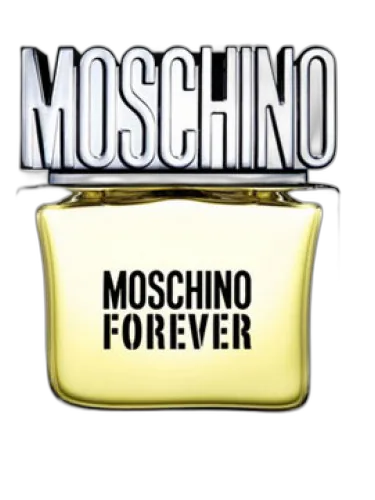
Moschino
Moschino Forever Moschino
Shared top notes: bergamot, star anise
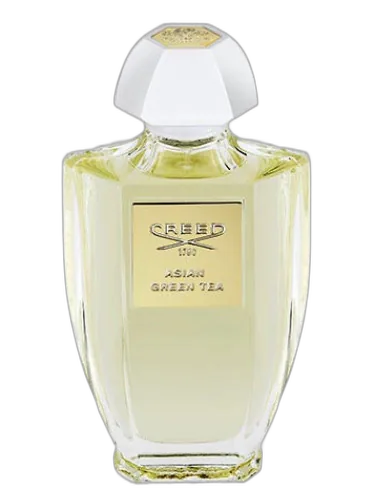
Creed
Asian Green Tea Creed
Shared top notes: bergamot, lemon, neroli
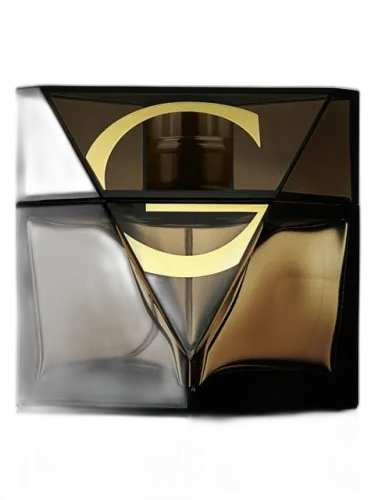
Oriflame
Giordani Man Oriflame
Shared top notes: bergamot, neroli
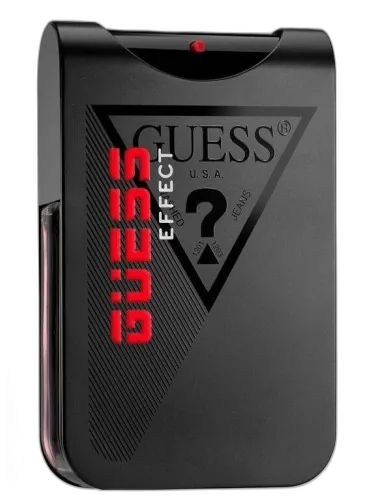
Guess
Guess Effect Guess
Shared top notes: star anise
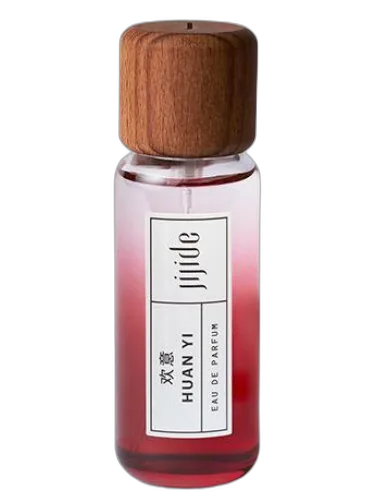
Jijide
Rosso Vivo - Huan Yi 欢意 Jijide
Shared top notes: bergamot, lemon, neroli