


Crèmelle Gallagher Fragrances
Fragrance Story
Crèmelle by Gallagher Fragrances is a Oriental Vanilla fragrance for women and men. This is a new fragrance. Crèmelle was launched in 2024. The nose behind this fragrance is Daniel Gallagher.
Composition Profile
About the Perfumer

Daniel Gallagher
Daniel Gallagher is the founder and perfumer behind Gallagher Fragrances, with creations including Amongst Waves, Aquarose, Baklava, and Behold, Patchouli. He also composed Bergamust, Bergamust Noir, Black Currant Silk, and Cadence. His work is known for bold, creative blends.
Fragrance Notes
All Notes
Complete scent profile
 Opoponax
 Creme Brulee
 Espresso
 Hinoki Wood
 Vanilla
 Caramel
 Sandalwood
 Styrax
Frankincense
Styrax
Frankincense
 Grapefruit
 Musk
Cedarwood
Musk
Cedarwood
 Patchouli
 Lemon
Lemon
 Bergamot
Crèmelle Gallagher Fragrances by Gallagher Fragrances offers a distinctive olfactory experience that stands out from other fragrances in its category.
Crafted with the finest ingredients and a blend of traditional and modern perfumery techniques, this fragrance represents the pinnacle of the perfumer's art.
Crèmelle Gallagher Fragrances embodies the distinctive style of Gallagher Fragrances while adding a unique chapter to their fragrance portfolio.
Character Profile
The Cr Archetype: Portrait of Crèmelle Gallagher Fragrances
Essence
The one who favors Crèmelle Gallagher Fragrances is most closely aligned with The Lover archetype-not in the trivial sense of mere romanticism, but as a devotee of beauty, sensuality, and the art of experience. This is a soul who does not merely perceive the world but tastes it, who seeks to dissolve the boundaries between self and sensation. The Lover thrives on connection-whether to people, aesthetics, or fleeting moments of pleasure-and their chosen scent is an extension of this philosophy.
Crèmelle, with its creamy, gourmand warmth, suggests a person who indulges in the richness of life, who finds poetry in the decadent and the ephemeral. But beneath this allure lies a tension-between the desire to surrender to pleasure and the fear of losing oneself in it.
Shadow
But the Lover’s devotion to sensation carries its own perils. Their pursuit of beauty can slip into addiction-not to substances, but to the intoxication of experience itself. They may grow restless when life becomes too predictable, seeking novelty at the expense of stability.
Their relationships, though profound, can suffer from a subtle elusiveness. They are skilled at drawing others in, but they may struggle with true vulnerability, preferring the safety of aesthetic distance. At their worst, they become collectors of people, admiring them like objets d’art rather than embracing their flaws.
There is also the danger of superficiality-mistaking the appearance of depth for depth itself. They may surround themselves with beautiful things as a shield against the raw, unpolished truths of existence. When disillusioned, they risk cynicism, dismissing what does not meet their standards as unworthy of their attention.
Conclusion
Their tastes are deliberate, curated with an almost ritualistic care. They are drawn to textures that beg to be touched-velvet, silk, aged leather-and colors that evoke depth: burgundy, gold, deep emerald. Their home is not merely a dwelling but a sanctuary of aesthetic harmony, where every object has been chosen for its ability to evoke feeling. A well-worn book of Rilke’s poetry sits beside a bottle of aged bourbon; a record of Nina Simone’s Wild Is the Wind spins in the background.
They move through the world with an effortless magnetism, not because they demand attention, but because they radiate an invitation-to look closer, to lean in. Their style is neither ostentatious nor understated, but considered: a cashmere sweater draped just so, a single bold ring that catches the light when they gesture.
Philosophically, they reject the utilitarian in favor of the experiential. They believe life is not meant to be endured but savored, and they are suspicious of those who dismiss pleasure as frivolity. Yet this is not hedonism for its own sake-it is a deliberate defiance of the mundane, a refusal to let the soul atrophy in the face of routine.
Similar Fragrances
Fragrances with a comparable profile - shared accords, notes, and character.
Gallagher Fragrances
Crèmelle Gallagher Fragrances
Shared accords: amber, aromatic, balsamic
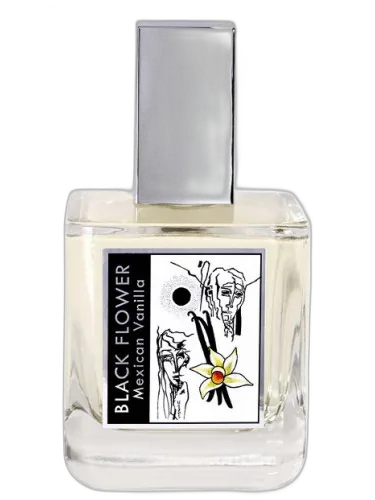
Dame Perfumery
Black Flower Mexican Vanilla Dame Perfumery
Shared accords: aromatic, balsamic, caramel
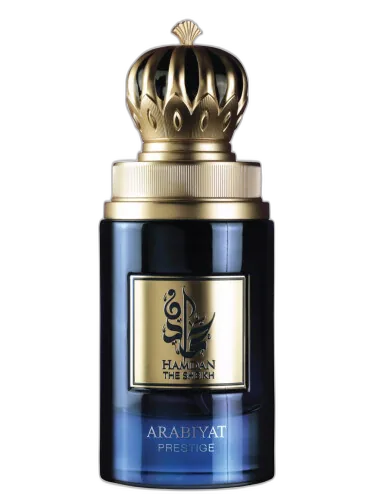
Arabiyat
Hamdan The Sheikh Arabiyat
Shared accords: amber, aromatic, balsamic
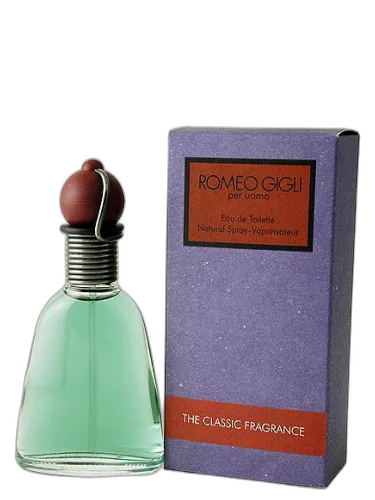
Romeo Gigli
Romeo Gigli Per Uomo Romeo Gigli
Shared accords: amber, aromatic, balsamic

Christian Provenzano Parfums
Santal Indien Christian Provenzano Parfums
Shared accords: amber, aromatic, balsamic