


Grey Flannel Geoffrey Beene
At a glance
Is Grey Flannel Geoffrey Beene worth trying?
Grey Flannel by Geoffrey Beene is a Oriental Woody fragrance for men.
- Best match
- Office wear in Fall
- Performance feel
- Good longevity with Moderate sillage
- Signature profile
- aromatic, powdery, violet with Galbanum, Petitgrain, Neroli
The first impression
Grey Flannel by Geoffrey Beene is a Oriental Woody fragrance for men. Grey Flannel was launched in 1975. The nose behind this fragrance is Andre Fromentin. Top notes are Galbanum, Petitgrain, Neroli, Bergamot and Lemon; middle notes are Violet, Iris, Geranium, Narcissus, Mimosa, Sage and Rose; base notes are Oakmoss, Vetiver, Cedar, Tonka Bean and Almond.
What shapes the scent
The perfumer behind it

Andre Fromentin
André Fromentin is a French perfumer who trained at Givaudan and worked with major fragrance houses. He is known for creating bold, character-driven scents that often balance contrasting notes, such as the fresh violet and green accords in Geoffrey Beene’s Grey Flannel. His work reflects a modernist approach to classic structures, blending natural and synthetic elements to produce distinctive, long-lasting compositions.
Notes pyramid
Top Notes
First impression · 15-30 min
 Galbanum
 Petitgrain
 Neroli
 Bergamot
 Lemon
Lemon
Heart Notes
Core character · 2-4 hours
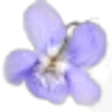 Violet
 Iris
Iris
 Geranium
 Narcissus
 Mimosa
 Sage
Sage
 Rose
Rose
Base Notes
Lasting impression · 4+ hours
 Oakmoss
 Vetiver
 Cedar
Cedar
 Tonka Bean
 Almond
The mood it creates
The Sage Archetype: Portrait of Grey Flannel Geoffrey Beene
Essence
To wear Grey Flannel by Geoffrey Beene is to embrace a fragrance that is at once refined and enigmatic-woody, mossy, with a hint of violet’s melancholy and oakmoss’s depth. The person who chooses this scent is not one for fleeting trends or loud declarations. They are drawn to the quiet authority of tradition, the weight of intellect, and the subtle power of restraint. Their essence aligns most closely with the Sage archetype, the seeker of wisdom, the observer of life’s intricacies.
Style & Aesthetic
Their style is deliberate, never ostentatious. A well-tailored blazer, a crisp white shirt, perhaps a vintage watch-each piece chosen for its quiet confidence rather than its ability to impress. They appreciate craftsmanship, the kind that reveals itself only to those who look closely. Their home reflects this sensibility: dark wood, muted tones, a few carefully selected artworks that speak volumes in silence.
Yet, this preference for refinement can tip into fastidiousness. They may disdain anything they perceive as vulgar or gauche, their standards so high that they border on elitism. The shadow of the Sage is the Hermit, who withdraws not out of necessity but out of disdain for the messiness of ordinary life.
Relationships
They do not collect friends; they cultivate them. Their relationships are built on mutual respect, intellectual exchange, and a shared appreciation for the profound. They are loyal but not effusive, preferring a few meaningful connections over many superficial ones. Romantic partners must understand their need for solitude, their occasional retreat into the world of thought.
But here, too, lies a flaw: their emotional reserve. They may rationalize feelings rather than express them, leaving others to navigate the labyrinth of their unspoken depths. Their partners or friends might long for more warmth, more spontaneity-qualities they possess but often keep guarded.
Shadow
The Sage’s greatest strength-their intellect-can also be their undoing. When unbalanced, they may become overly analytical, dissecting life until it loses its vitality. They might dismiss intuition as irrationality, passion as imprudence. Their pursuit of wisdom can harden into dogma, their love of knowledge turning into a fear of ignorance-in themselves and others.
Yet, when they embrace their shadow, they learn that wisdom is not just in the mind but in the heart. They discover that true understanding requires vulnerability, that even the most polished intellect must sometimes yield to the chaos of feeling.
Conclusion
This individual moves through the world with a measured pace, their mind a well-stocked library of ideas, theories, and histories. They are drawn to philosophy, literature, and the arts, not as mere hobbies but as vital nourishment. Their tastes lean toward the timeless-classical music, black-and-white cinema, well-worn leather-bound books. They prefer conversation that lingers on abstract concepts rather than gossip or trivialities.
Their philosophy is one of stoic curiosity-they believe in understanding before judging, in observing before acting. They value knowledge not for its utility but for its own sake, seeing wisdom as a form of inner wealth. Yet, this pursuit is not without its shadows. Their intellect can become a fortress, isolating them from the raw, unfiltered emotions of life. They may mistake detachment for wisdom, forgetting that some truths are felt rather than reasoned.
If you like this, try these
Fragrances with a comparable profile - shared accords, notes, and character.
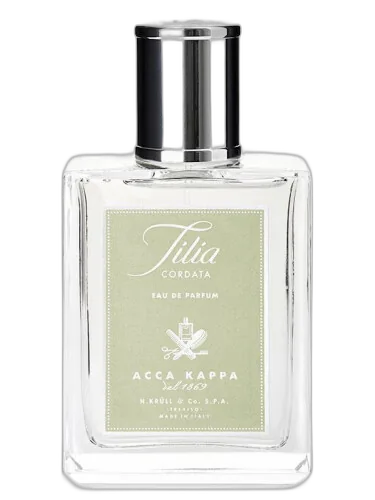
Acca Kappa
Tilia Cordata Acca Kappa
Shared top notes: bergamot, lemon, neroli

Lorenzo Villoresi
Vintage Collection Vetiver Lorenzo Villoresi
Shared top notes: bergamot, galbanum, petitgrain

Edgardio Chilini
No Strength Edgardio Chilini
Shared top notes: bergamot, lemon
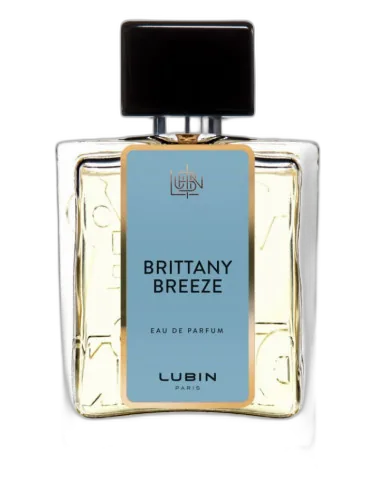
Lubin
Brittany Breeze Lubin
Shared top notes: bergamot

Odetu
Emerald Chypre Odetu
Shared top notes: bergamot, neroli